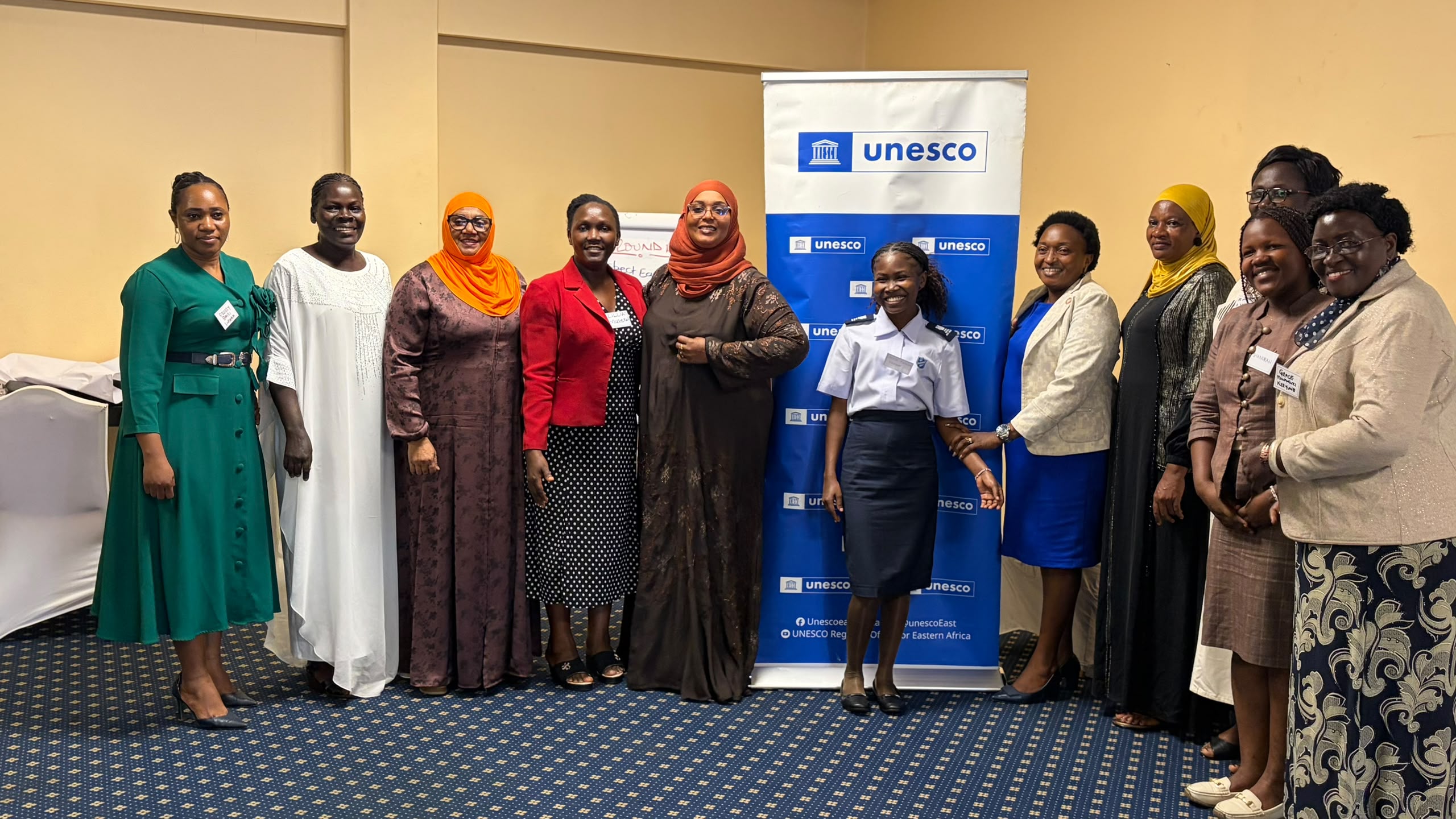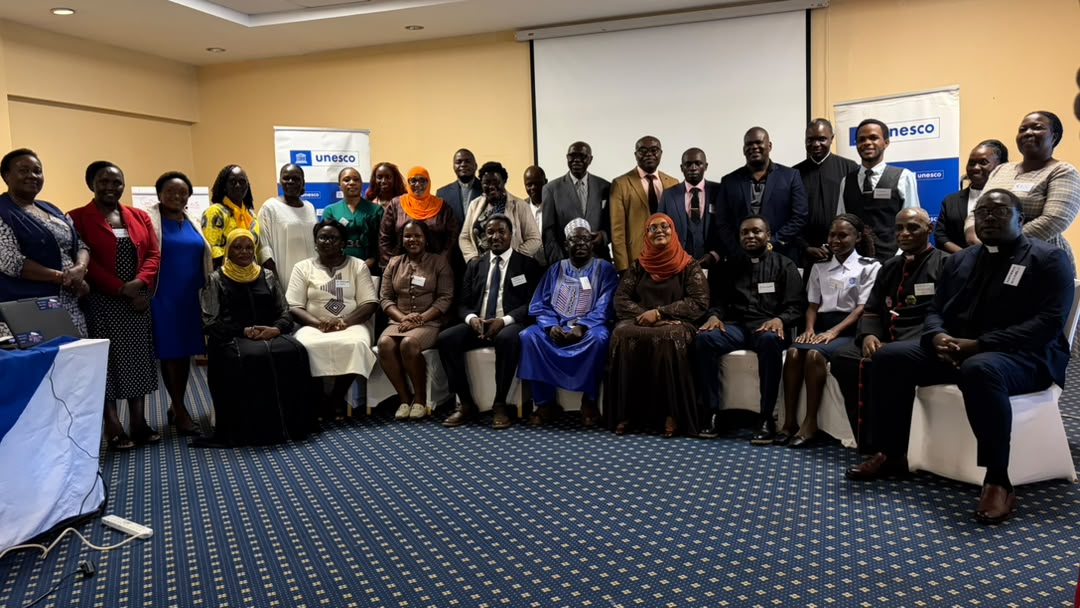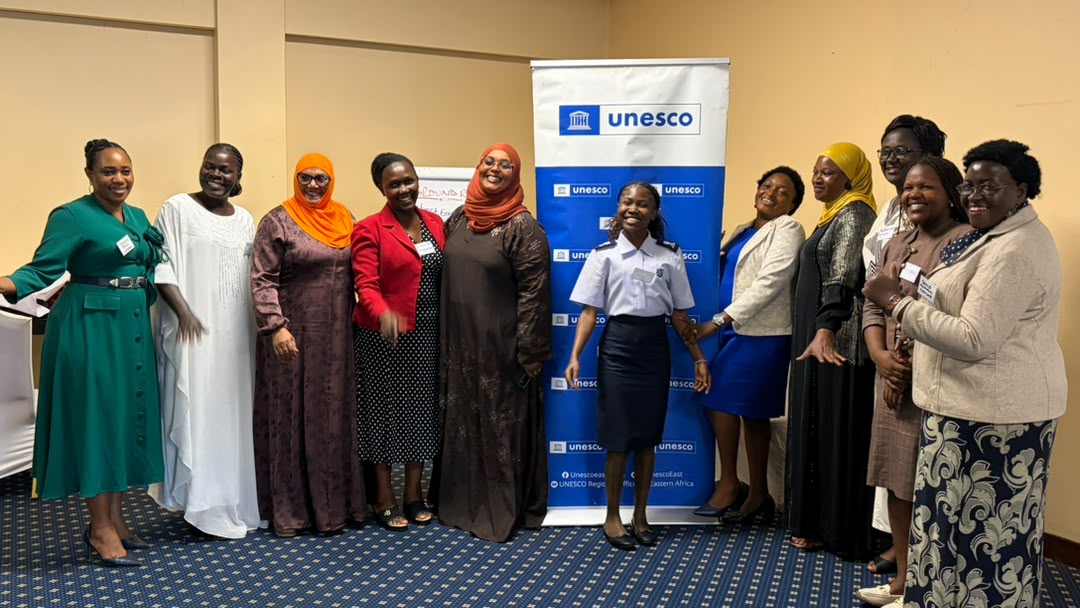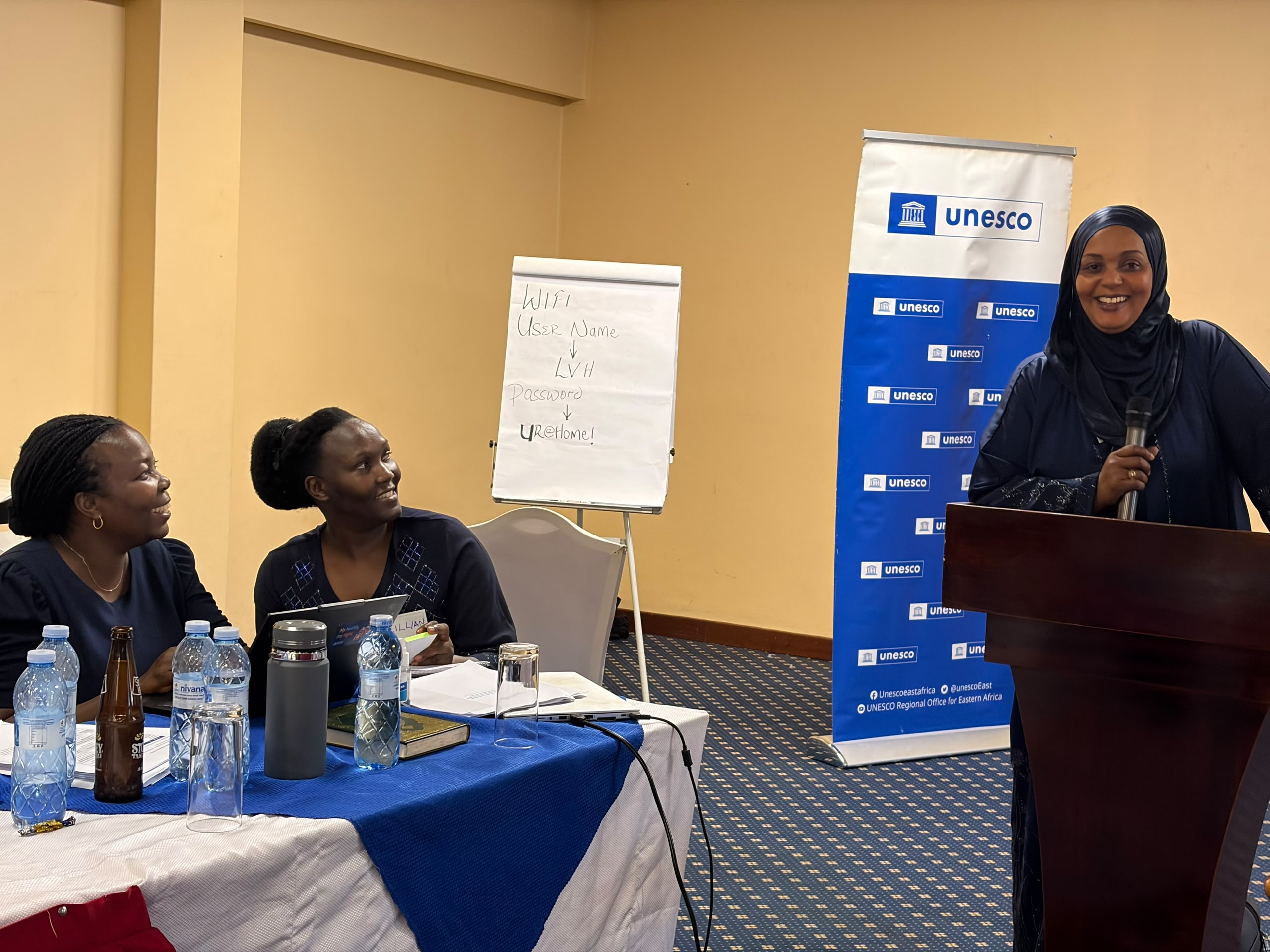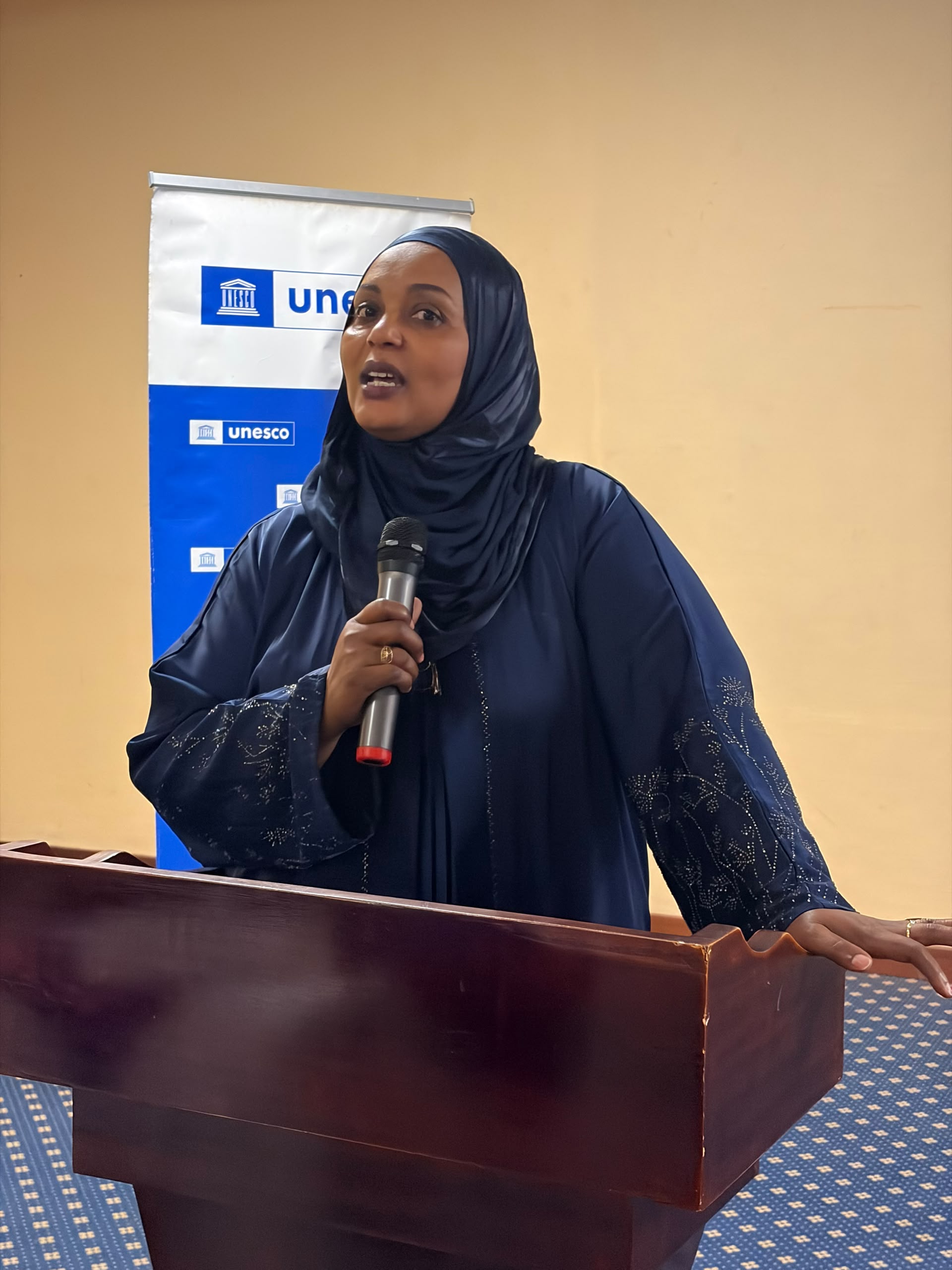
Entebbe: Hajjat Kenyangi Sophia Safina, the Chairperson of the Uganda National Muslim Women Council, is among the key religious figures attending a three-day residential workshop at the Lake Victoria Granada Hotel in Entebbe from 17th to 19th November 2026.
The workshop, organized by UNESCO through its subsidiary, the Faith 2 Action Network, focuses on the critical role of religious leaders in nurturing the health, dignity, and well-being of adolescents and young people.
Hajjat Kenyangi, who also serves as the PLU Regional Coordinator for Kampala Metropolitan area, joined other faith-based leaders in a collaborative effort to address the challenges facing the youth.
The primary objective of the workshop is to build a shared understanding of the role of religious leaders as guides, mentors, and allies of the younger generation.
In her address, Hajjat Kenyangi said the role of religious leaders in shaping the future generation is a full responsibility of our society.
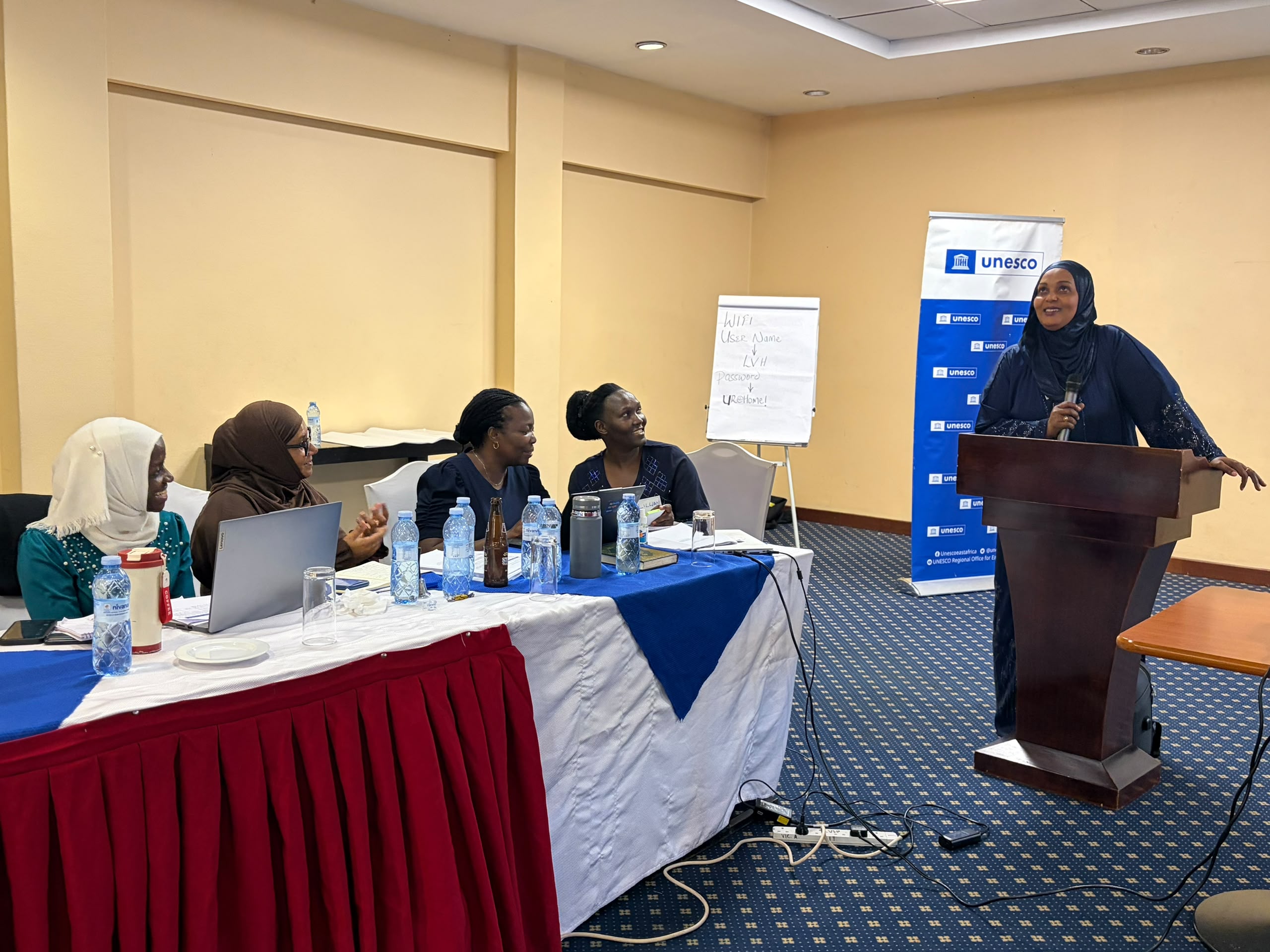
“Looking at generations moral decay as parents we should ask ourselves what happened. The parents and society, the cause, its globalization challenges? How do we cope up (strategies) who is responsible, what are our fears and claims about sexuality education in schools,” Hajjat Kenyangi Sofia Safina said.
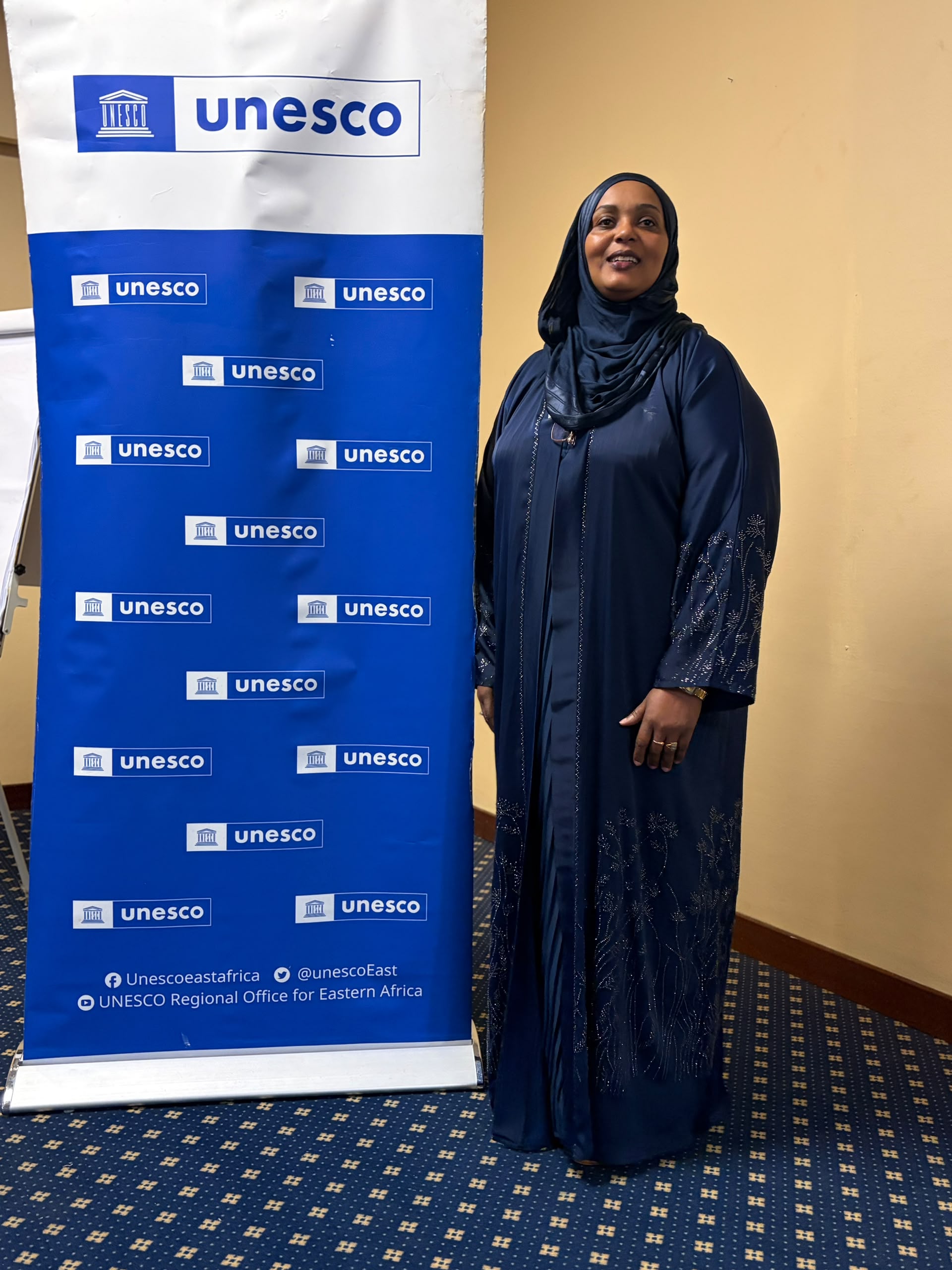
“Young people need a listening ear to overcome challenges. We need to restore our theological and traditional knowledge in partnership with health and education to help our young people,” she added.
The initiative by UNESCO and the Faith 2 Action Network recognizes the influential position that religious leaders hold within their communities. By bringing together figures like Hajjat Kenyangi, the workshop aims to equip these leaders with the necessary tools and strategies to advocate for the health and rights of adolescents effectively.
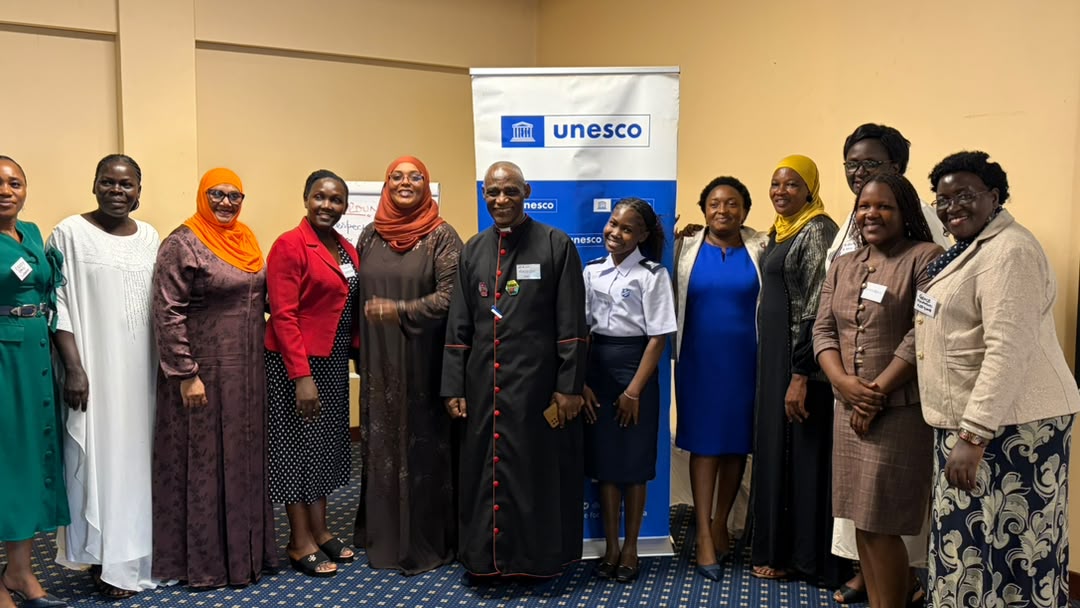
Throughout the three-day session, participants discussed how to leverage their platforms to promote positive health-seeking behaviors, protect the dignity of young people, and ensure their holistic well-being.
Hajjat Kenyangi’s dual role in the Muslim Women Council and as a regional coordinator highlights her extensive commitment to community development and youth empowerment in the Kampala region. Her participation in this high-level workshop underscores the importance of involving women leaders and diverse faith perspectives in the national dialogue on adolescent health.
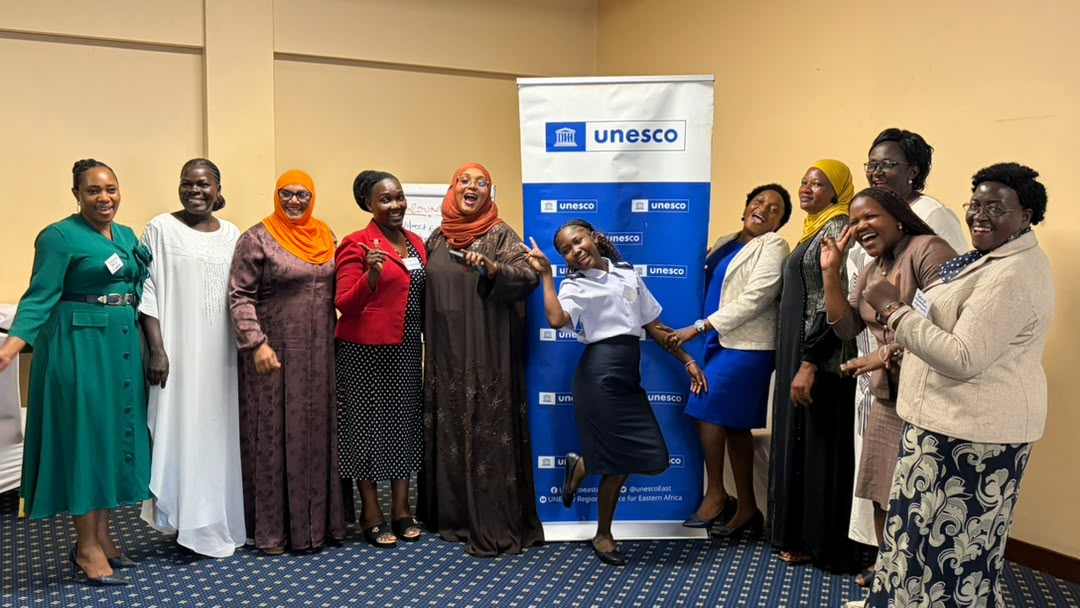
The workshop is anticipated to conclude with actionable commitments from the religious leaders, aiming to translate the shared understanding gained over the three days into tangible actions within their respective communities across Uganda.