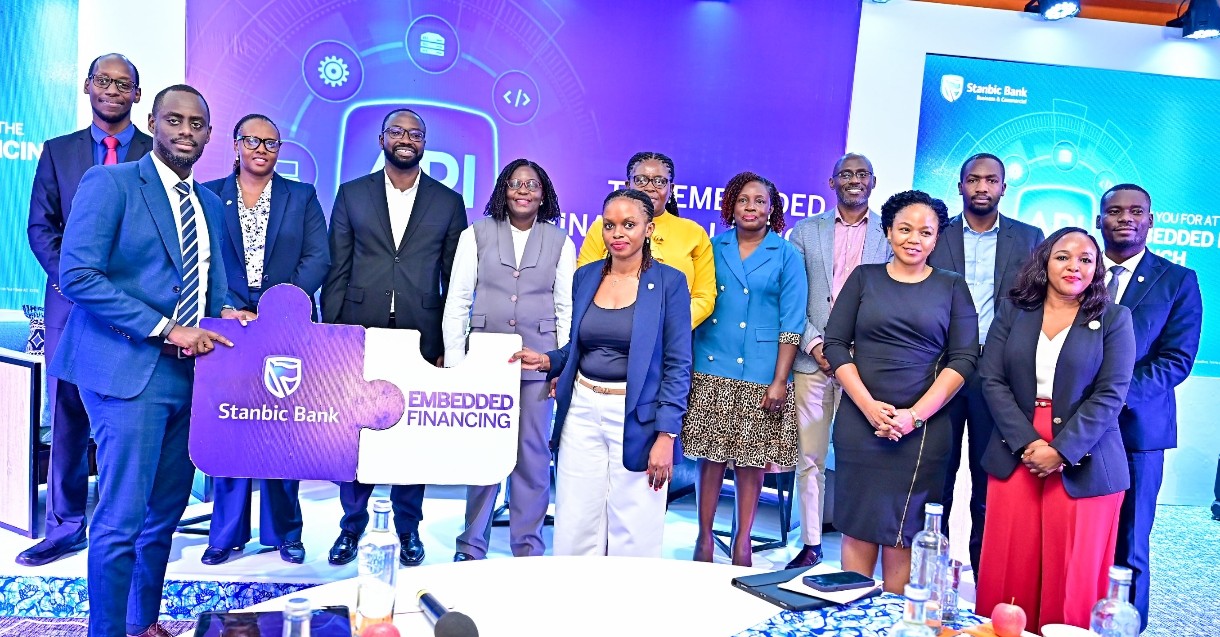
Kampala: Stanbic Bank Uganda, the anchor subsidiary of Stanbic Uganda Holdings Limited (SUHL) has moved a step closer to strengthening partnerships with Enterprise Resource Planning (ERP) providers, fintechs and technology service providers to accelerate embedded finance, while enhancing business efficiency and expanding access to financial services across Uganda.
During a launch of the embedded finance model at Onomo Hotel in Kampala on Tuesday, Racheal Atuhaire, the Head of Channels, Business and Commercial Banking at Stanbic Bank Uganda said, “The world is evolving, and it calls us to understand how businesses operate, anticipate where the economy is going and build financial infrastructure that allows enterprises to trade, invest and create jobs with greater speed, visibility and confidence.”
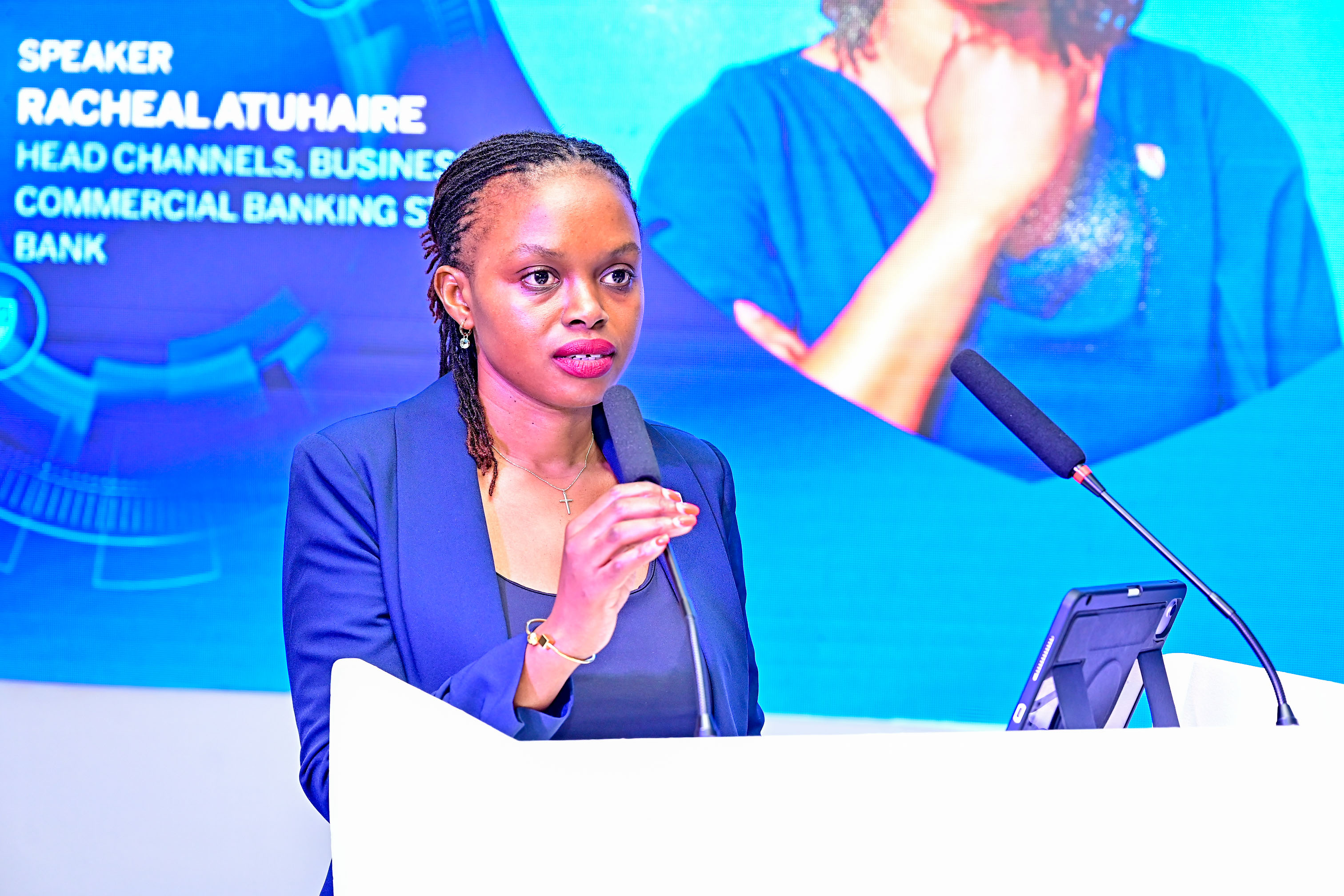
“Uganda’s tenfold growth strategy seeks to expand the economy from about US$50 billion to US$500 billion by the year 2040. Reaching this 2040 ambition will require sustained double-digit growth, higher productivity and much faster movement of capital into productive enterprise,”Atuhaire said.
Atuhaire, said Stanbic, through the ‘Stanbic for Her’ flagship programme, , has supported over 22,800 women with more than 280 billion Ugandan shillings in finance, enhanced growth of SACCOs and reached over 678,000 people with 248 billion in financing, while the Stanbic Business Incubator has cascaded enterprise development to more than 9,000 small and medium enterprises.
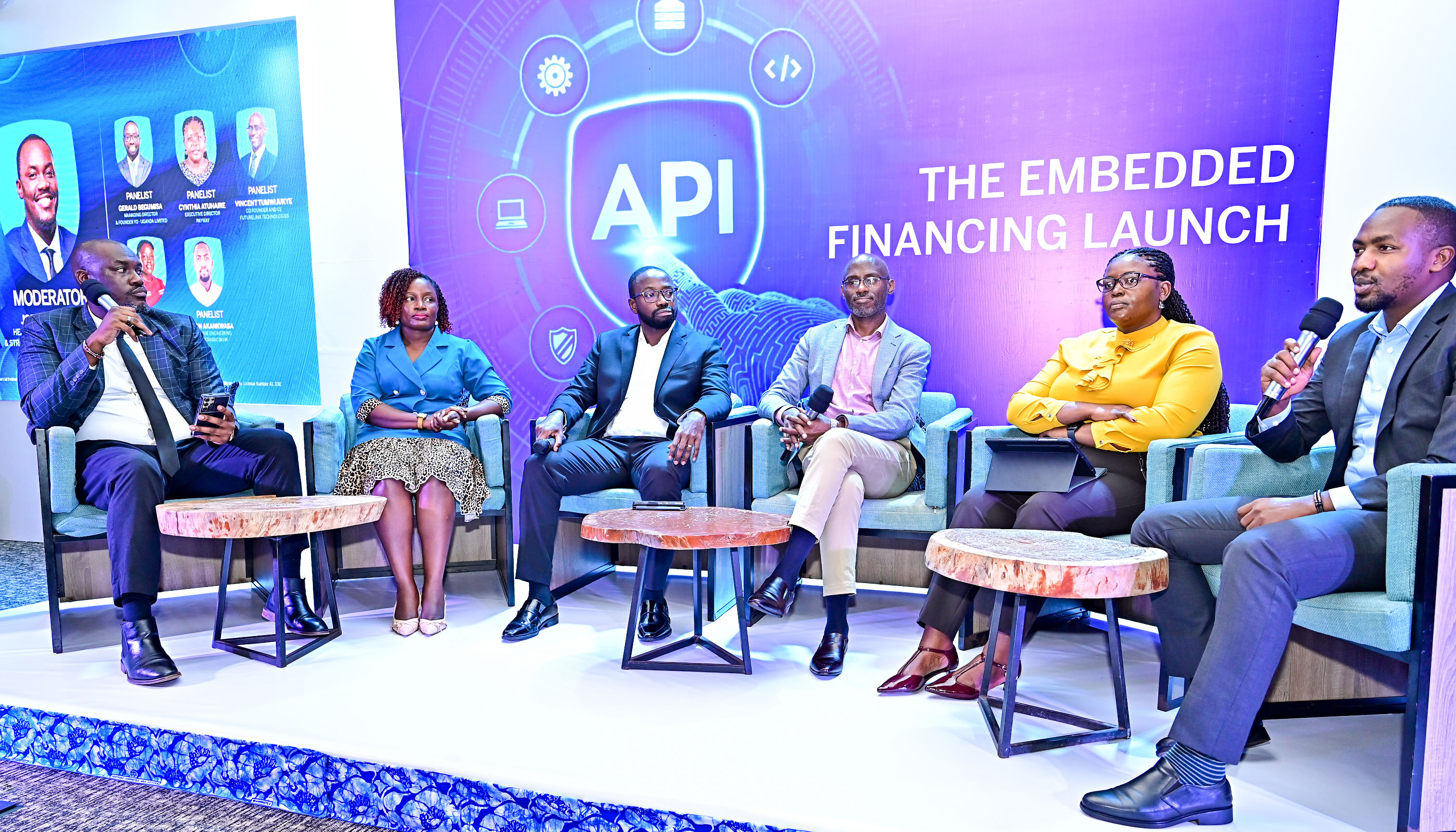
“Through Application Programming Interface (API) and ERP partnerships, we will digitise payments and collections, strengthen business records and credit visibility, improve access to finance and markets, supporting our ambition to mobilise up to UGX 1 trillion by 2028 for women, youth and farmers,” Atuhaire said. “Together we can build commercially relevant solutions, nationally aligned and trusted by the market. Trust must remain non-negotiable. Security, data protection, regulatory compliance and clear operating standards must be designed into every integration from the outset,”Atuhaire said.
Catherine Nansubuga, the Manager, Regulation and Compliance at the National Information Technology Authority (NITA)-Uganda, said stakeholders need to be mindful of compliance and consumer protection.

“Sustainable digital growth requires continuous compliance, and not just one-time certification or approval. Do not build a solution merely to work today. Build a solution that can be trusted tomorrow; therefore, I encourage stronger collaboration between technology companies, financial institutions, NITA-U and other relevant regulators,”Nansubuga said.
Diana Agaba Tukundane, the Chief Information Security Officer at Stanbic Bank, said such embedded finance comes with the risk shift, highlighting the importance of managing partnership expectations through protecting customer data, demonstrating assurance and owning the full supply chain.
“Integration expands the trust boundary. Every connection introduces identities, data flows, privileges and dependencies that must be governed. It is not just about integrating systems. It is about integrating trust,”Agaba said.