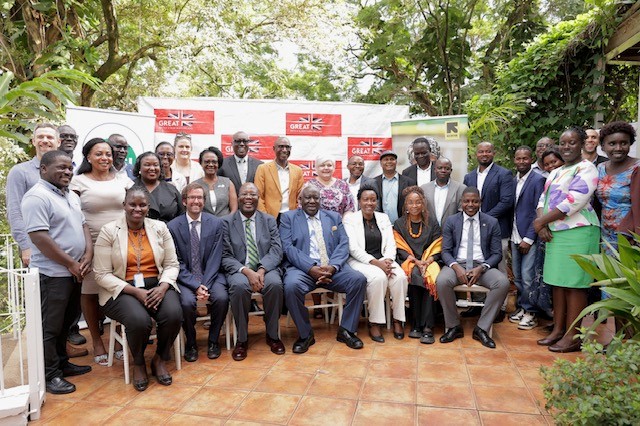
Kampala: The Government of Uganda and the United Kingdom today launched two new partnerships under the Refugee Support, Empowerment and Transformation (ReSET) Programme which started this year. The new partnership aims to strengthen Uganda’s refugee response, improve outcomes for refugees and host communities, and support a more sustainable, locally-led approach.
Running from 2026 to 2030, ReSET aims to maximise the impact of refugee support funding by protecting the most vulnerable and supporting evidence based self-reliance programmes.
Overall, the UK supports Uganda’s commitments made at the Global Refugee Forum in 2023. The UK continues to recognise Uganda’s progressive ‘open-door’ refugee policy as a leading model globally.
The programme will work in new ways. It will make the refugee response more efficient by working with local partners. This focus on localisation also builds leadership capacity in Uganda, making the response more sustainable.
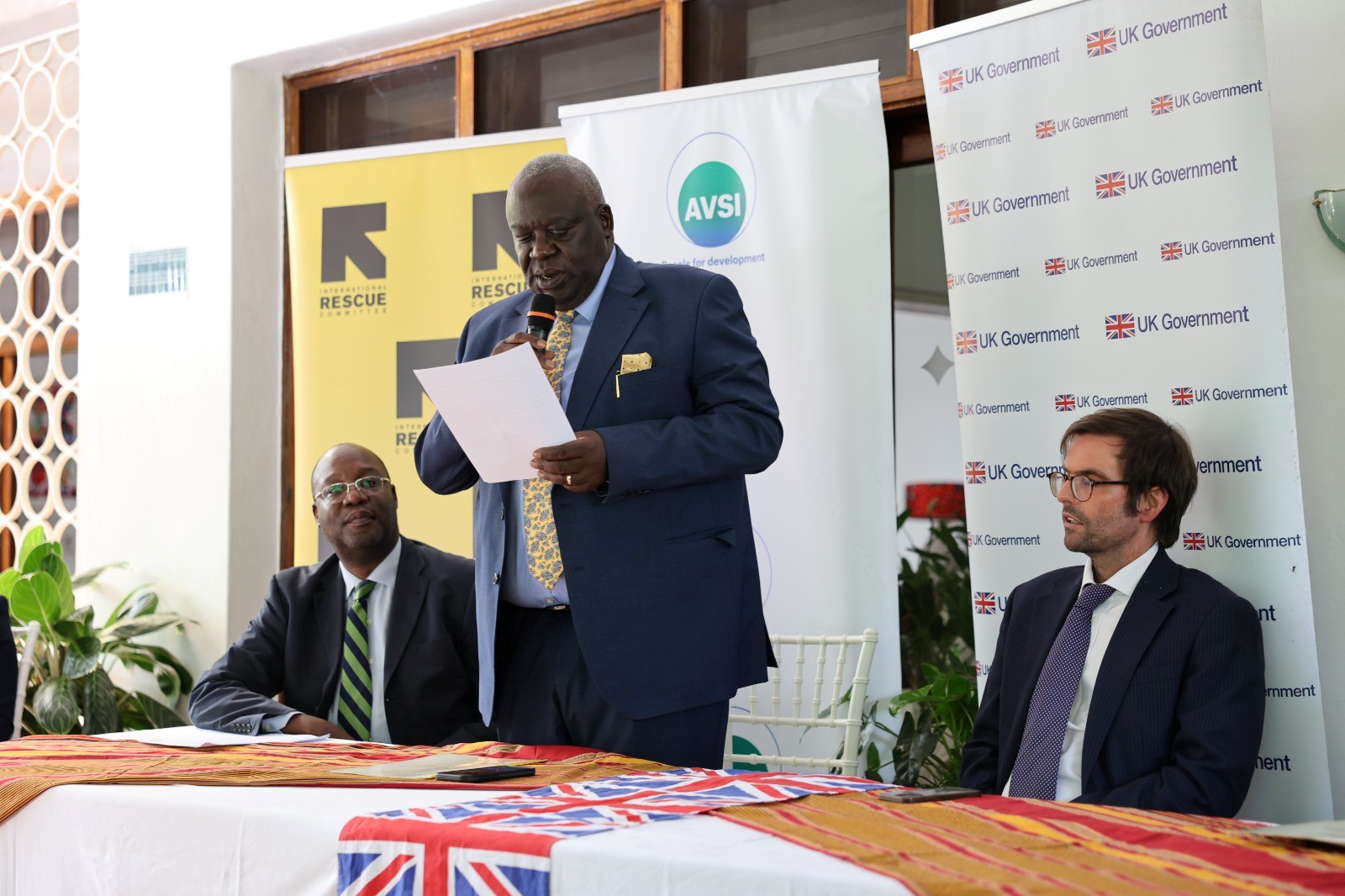
The International Rescue Committee (IRC) will work with three Ugandan partners – the Transcultural Psychosocial Organisation (TPO) Uganda, the Uganda Network on Law, Ethics and HIV/AIDS (UGANET) and the Refugee-Led Organisation Network (RELON) – to provide cash assistance and protection services to approximately 100,000 refugees and host communities. They will work in ten settlements. National and refugee-led partners will help lead the work from the outset and take on greater responsibility over time, including delivering cash assistance. This will leave strong local capacity in place to lead the response when the programme ends.
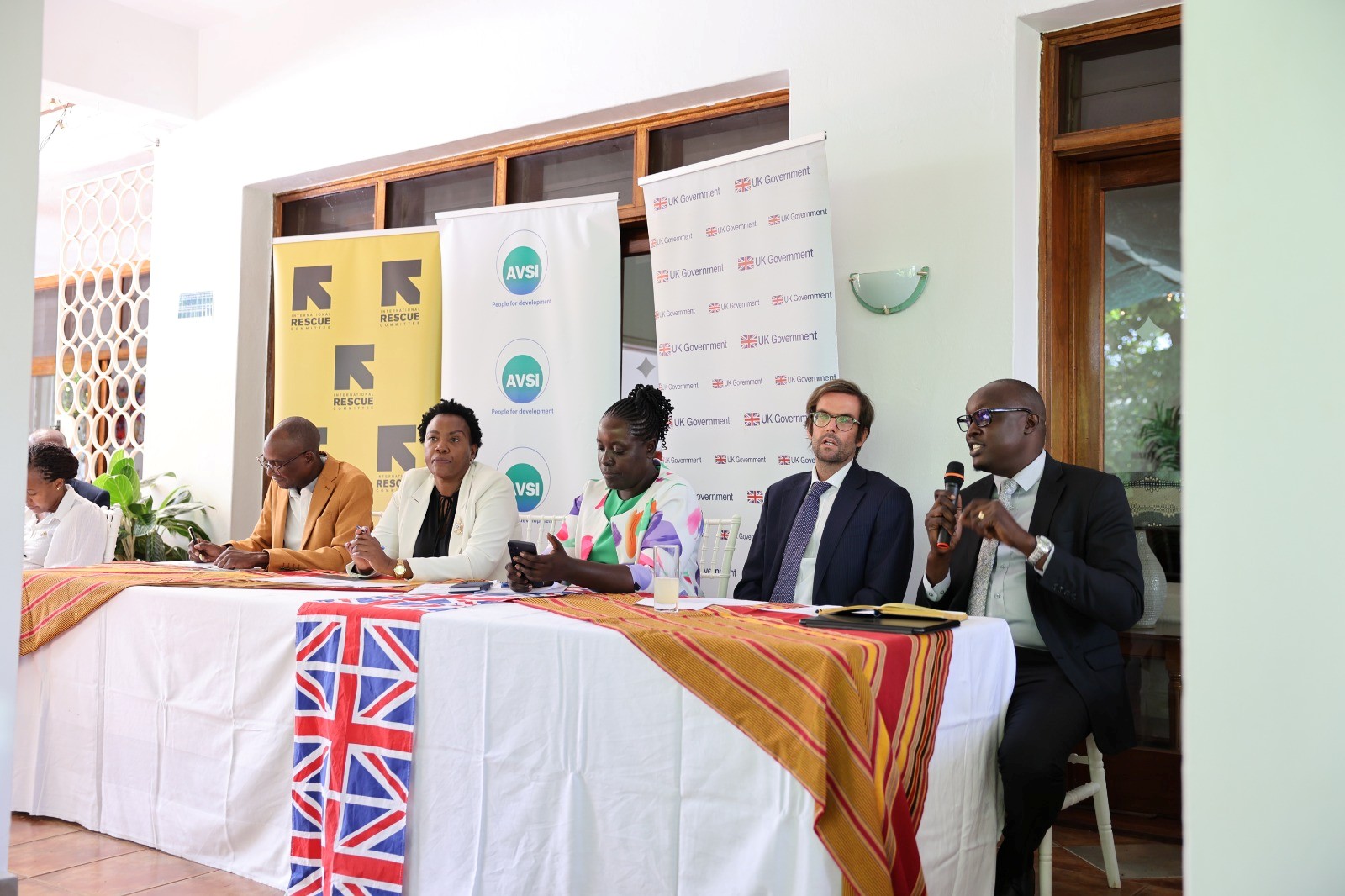
AVSI Foundation will work with three Ugandan partners – Sovereign Hands International, Children of the World Foundation and the refugee-led organisation Tomorrow Vijana – to help around 11,000 of the poorest refugee and host community households in Kiryandongo, Palabek and Rwamwanja settlements build sustainable livelihoods and become self-reliant by 2029. Local partners will help shape and lead the work from the start, directly supporting households in their areas and taking on increasing responsibility over time. By the end of the programme, they will be well placed to lead and secure funding for future programmes in their own right.
This follows UK announcements earlier this year of emergency humanitarian support to UN partners UNICEF and WFP to provide cash and malnutrition support in the most food insecure districts hosting refugees and in Karamoja.
‘Today marks the beginning of a five-year partnership, this launch is not just about a new programme. It is about bringing the government, development partners, UN agencies, and most importantly, refugee led organisations together. We share one goal, to build a more sustainable, inclusive and locally owned refugee response in Uganda.’ Honourable Sam Engola, Minister of State, Disaster Preparedness and Refugees.
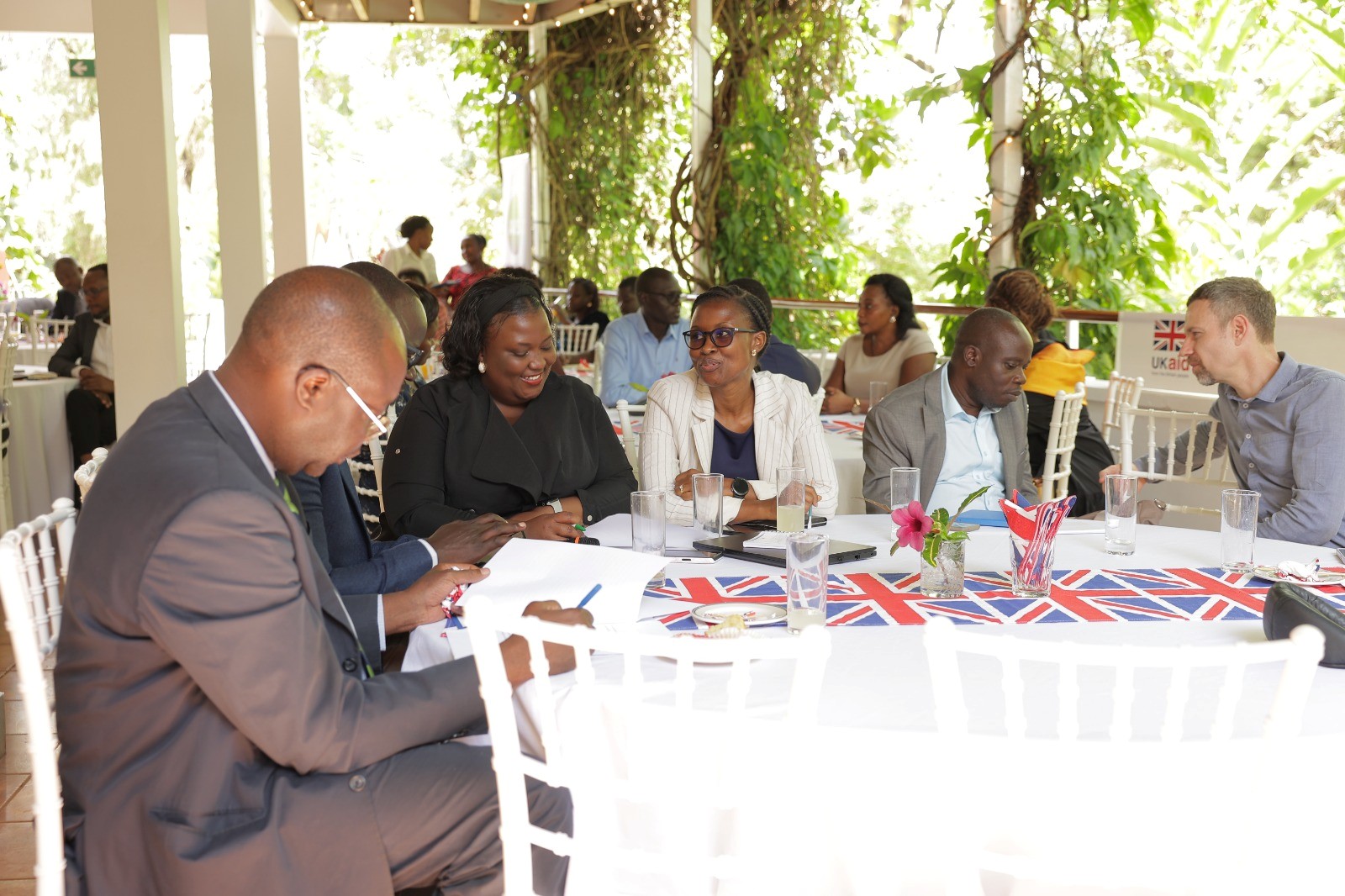
‘Uganda’s progressive refugee model is a leader globally. The UK is delighted to support this response. The new partnerships announced today will reach the most vulnerable, and support refugees to develop their own livelihoods. We are working in new ways, including with more local organisations, to make the overall refugee response more sustainable.’ Phil Elks, Team Leader British High Commission
‘I call on all stakeholders to continue working together, further strengthening our collaboration – government, donors, UN, civil society, and refugees themselves – to uphold the Uganda Refugee Model and widen its impact and sustainability.’ Leonard Zulu, UN REsident Coordinator to Uganda.