By Cate Mubiru
A hospital bill can change the mood at home. One moment, a family talks about school fees, rent, a weekend visit, or the next business idea. The next, everyone is working out what they can postpone, sell, or borrow to pay for treatment. Illness is hard enough; the financial uncertainty that follows can make it harder still. This is why health protection belongs in everyday conversations about money, not after a frightening diagnosis.In Uganda, the gap is stark. Afrobarometer’s 2025 survey found that 82% of citizens worry they may be unable to obtain or afford essential medical care for themselves or their families.
Just 4% of respondents said they had medical aid coverage. These figures reflect a reality many households know too well: access to care is being able to pay when care is needed.For years, many people have viewed insurance as something to consider later, when income is higher, or life feels more settled. Others see it as complicated, remote, or relevant only to large companies and wealthy families. But health does not wait for a perfect budget, and financial resilience cannot be built on hope alone.The conversation, therefore, needs to move from “What will I do when someone falls sick?” to “What can I put in place today to protect the people and plans that matter to me?” That is where bancassurance can make a meaningful difference. By bringing insurance closer to banking, bancassurance connects protection with a place people already know and use to manage their money.
Through partnerships between banks and licensed insurers, customers can access insurance solutions alongside familiar financial services, with guidance to help them understand their options. The process can feel less intimidating and more practical, especially when products are clearly explained and customers are supported in choosing cover that fits their needs and budgets.
The model is also gaining ground. Insurance Regulatory Authority figures show that premiums distributed through bancassurance rose from UGX 83.34 billion in 2020 to UGX 225 billion in 2024. That growth points to the potential for trusted financial institutions to widen access to protection. Yet Uganda’s insurance penetration remains below one per cent of GDP. Much work remains around building understanding, confidence and a culture of planning. As a financial institution, we see this as part of our broader responsibility to help customers make sound financial decisions. Through our bancassurance offering, including our product My Care, the bank is bringing health protection into conversations about financial wellbeing.
The message is that medical cover should not feel like an obscure product tucked away in a brochure. It should be understood as one practical tool that households and individuals can consider when planning for life’s uncertainties. And this conversation is for everyone. Young professionals starting, parents balancing family needs, business owners protecting years of hard work, and older people managing changing health needs all have reason to consider medical protection.A healthier relationship with money should include protecting what those efforts have built. When illness arrives, the best financial plan is the one we made calmly and thoughtfully, long before we needed it.
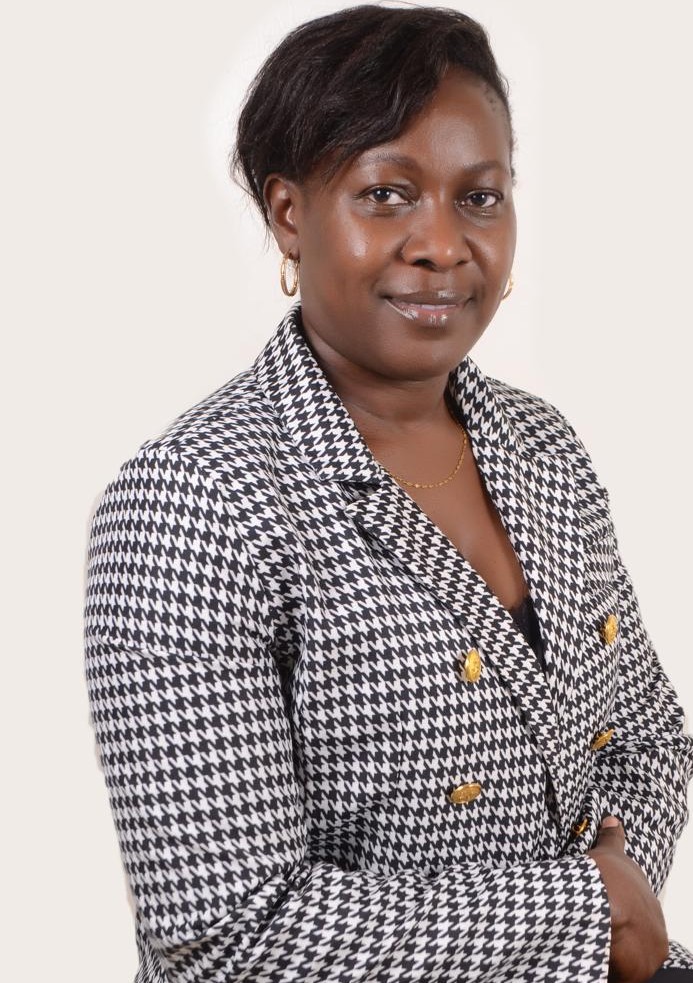
The author is the Principal Officer at KCB Bank Uganda.