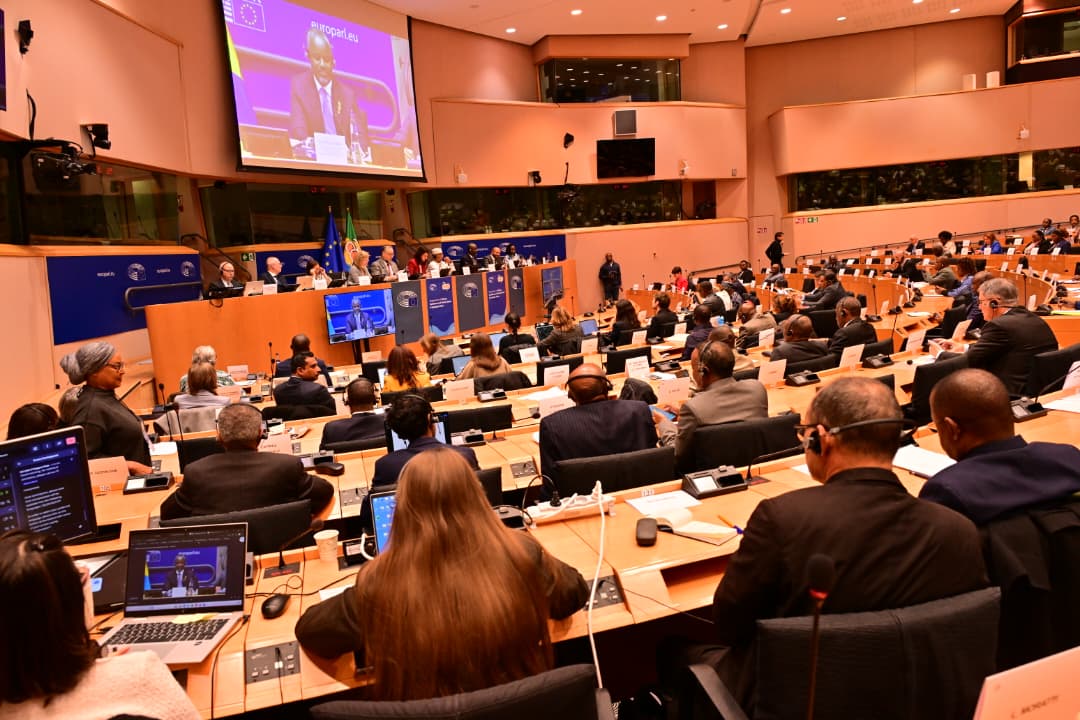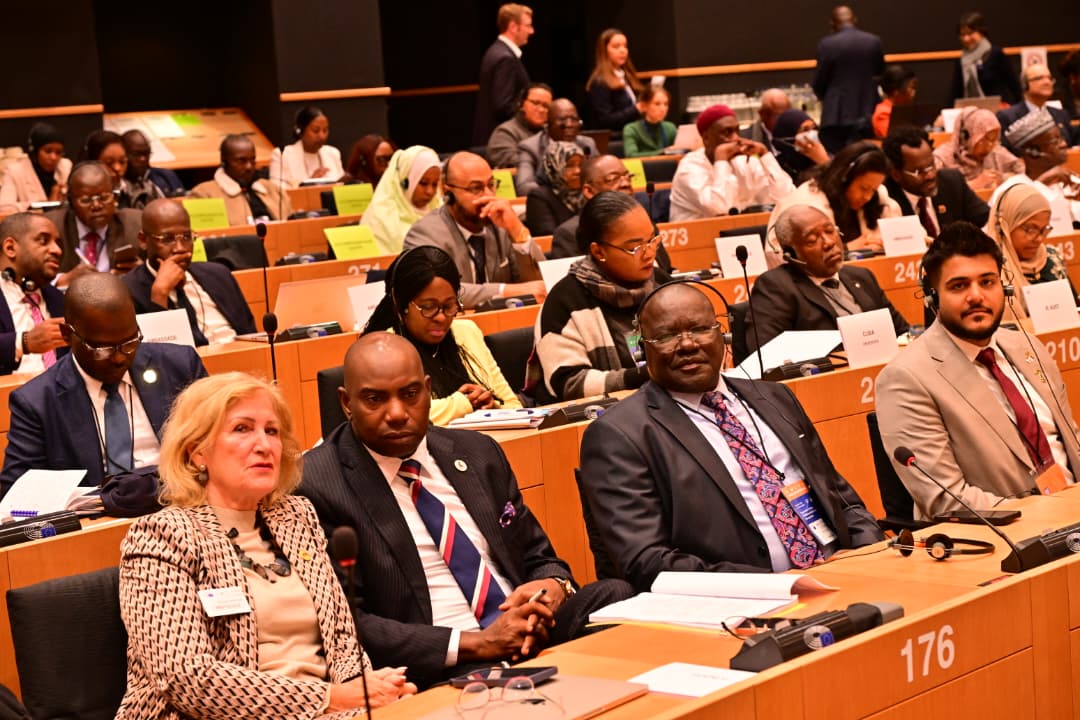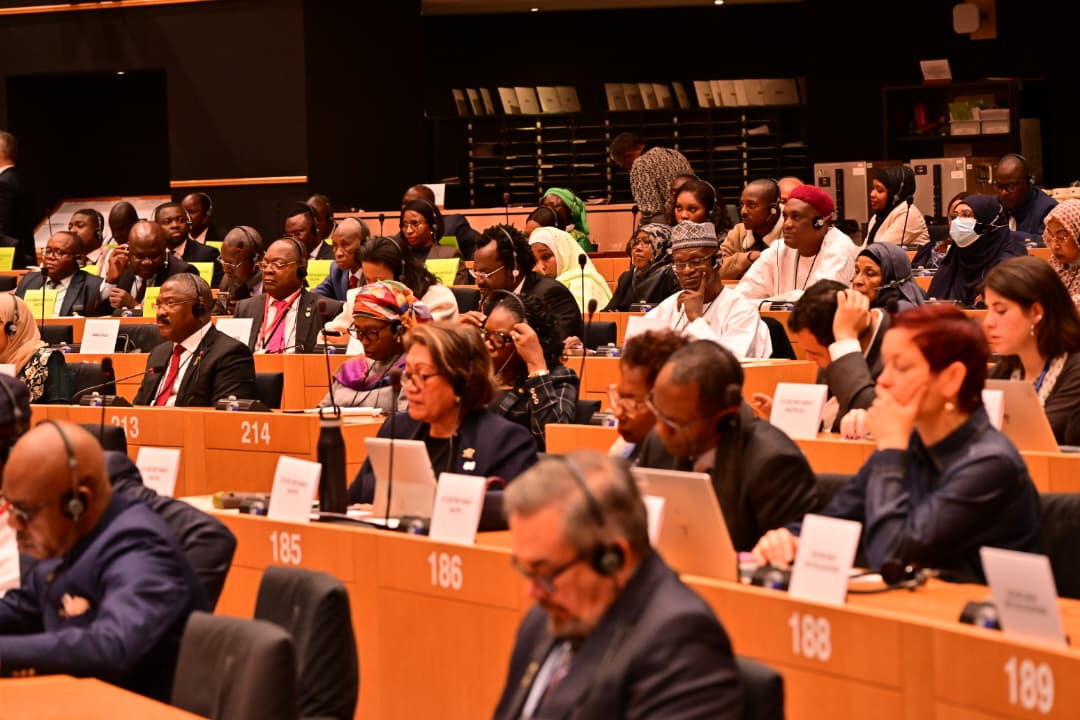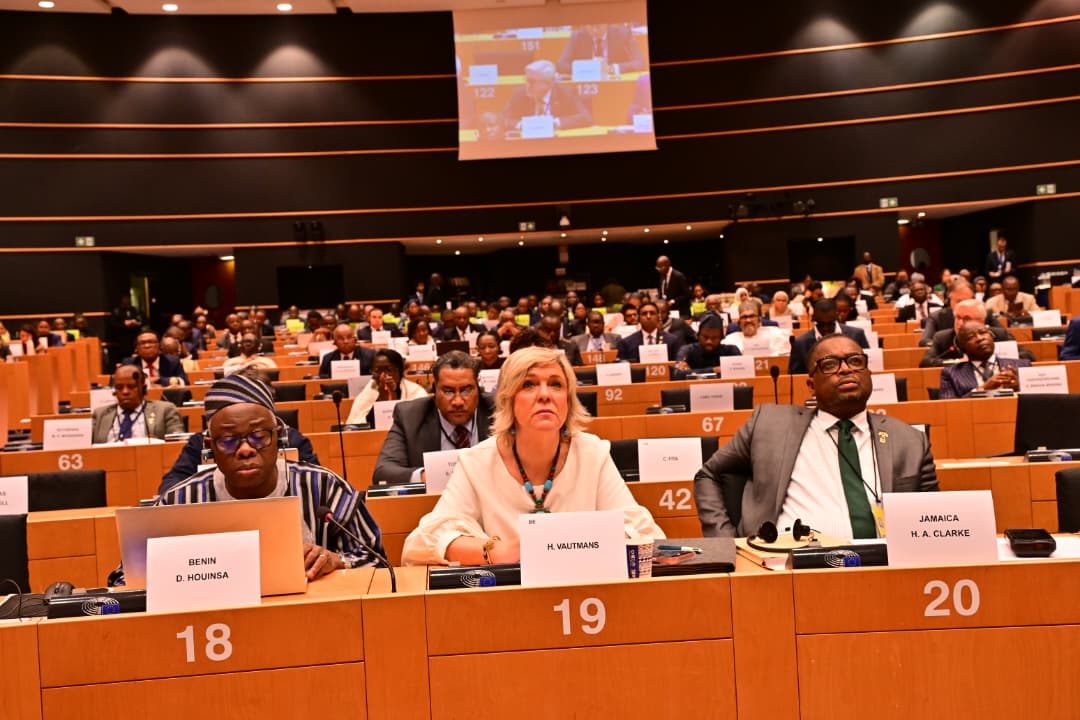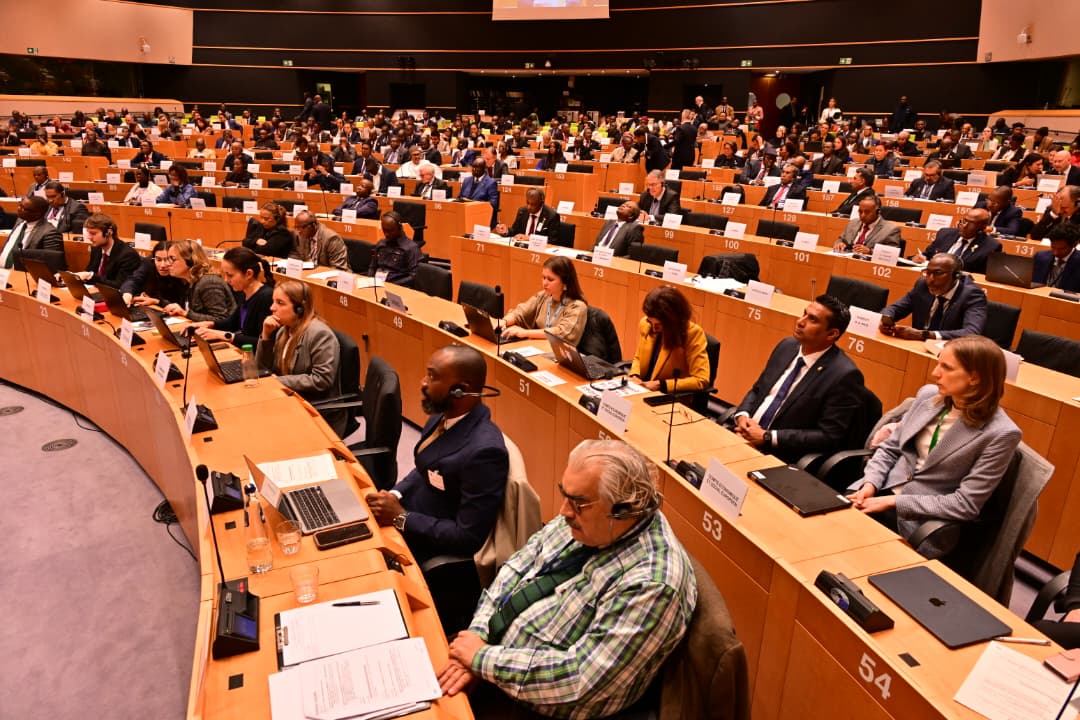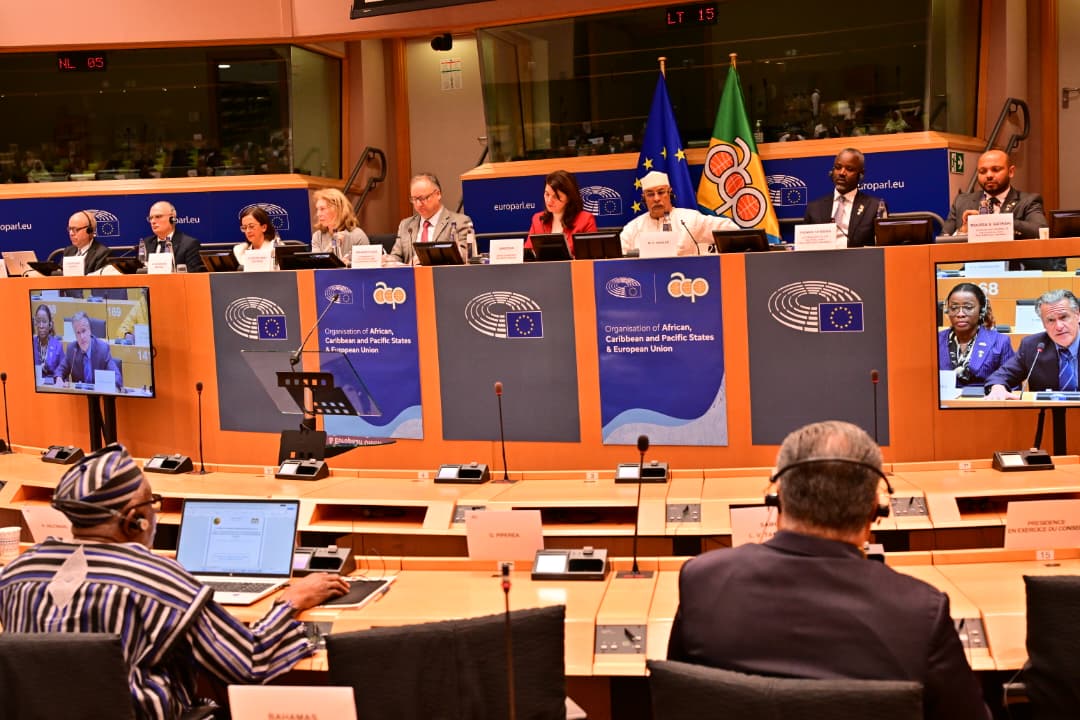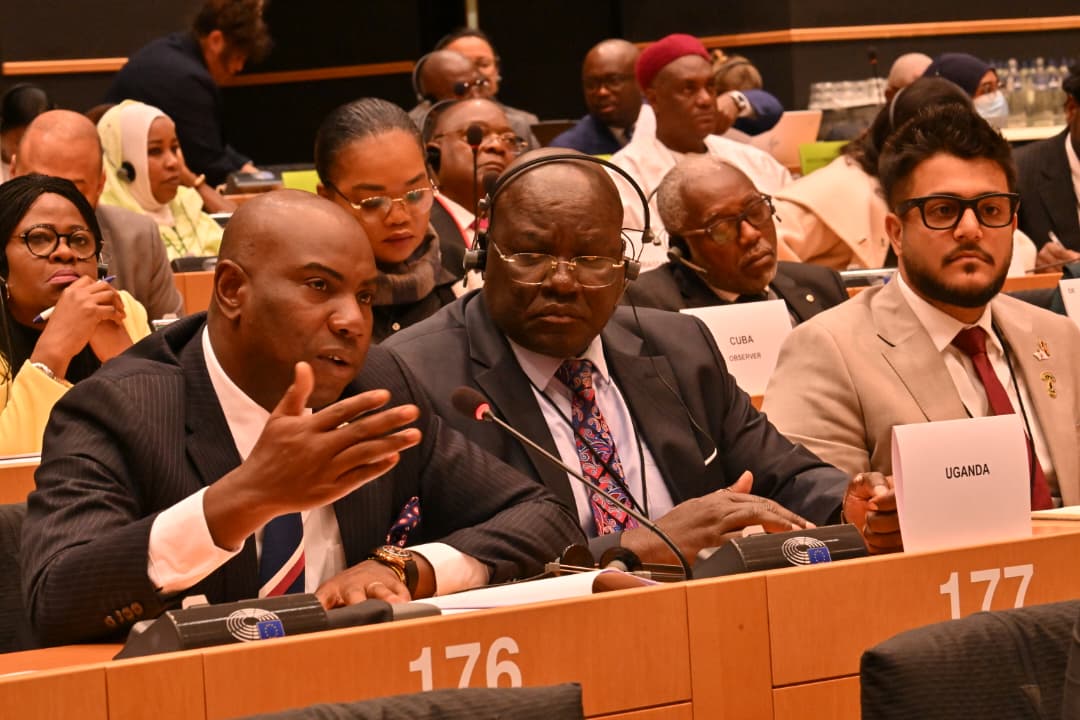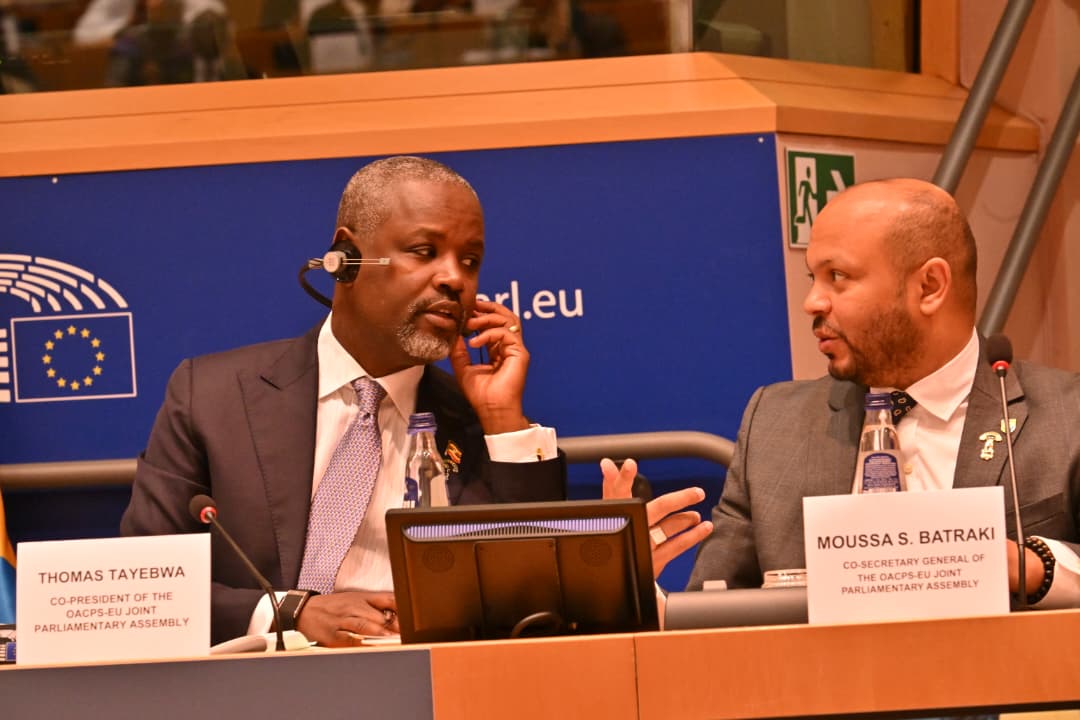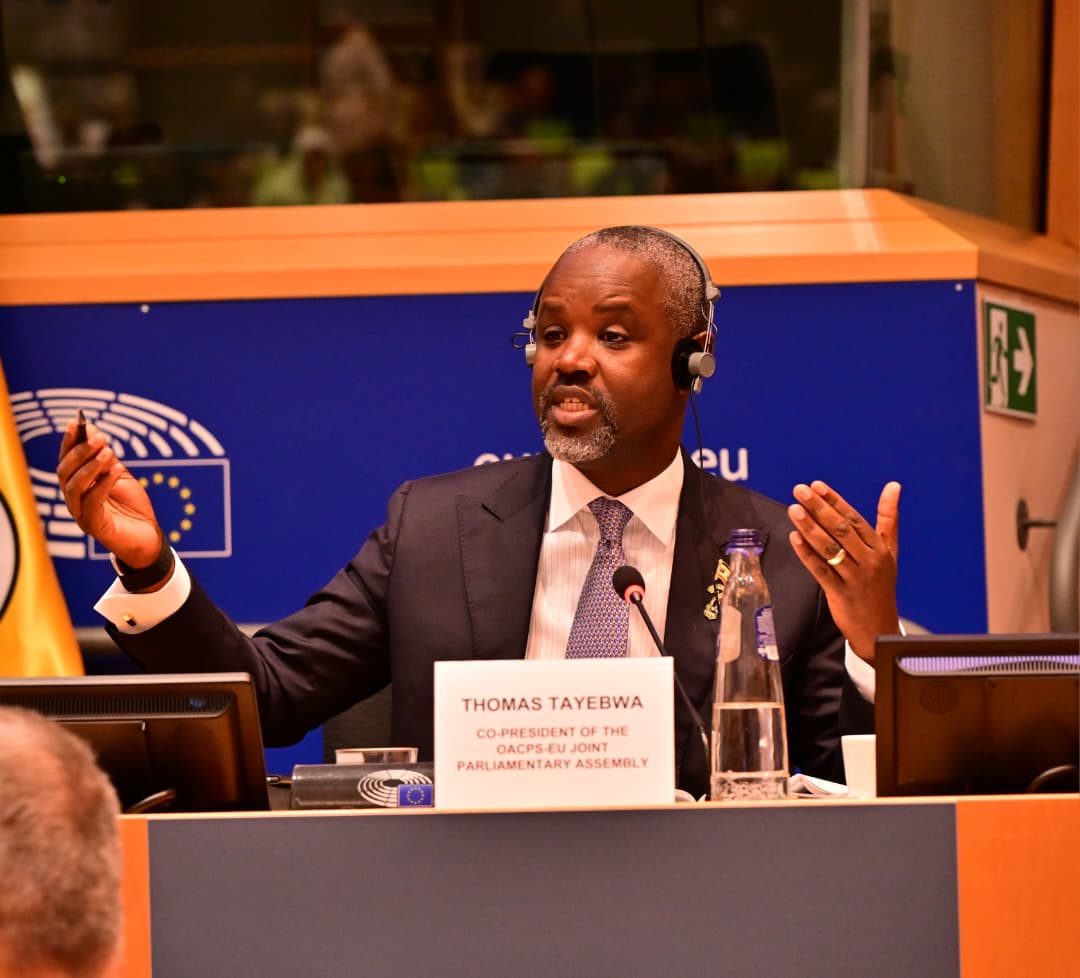
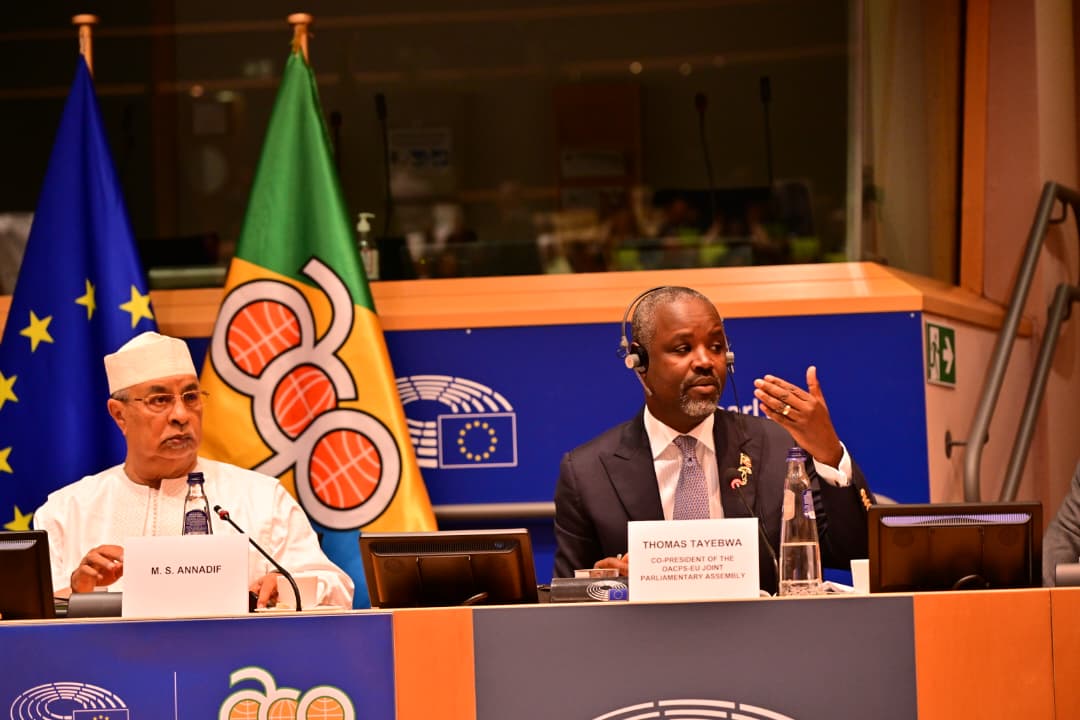
The Deputy Speaker of Parliament Rt. Hon. Thomas Tayebwa, has called for stronger multilateral cooperation, dialogue and collective action to address growing global security challenges.
Tayebwa, who is also president of the Organisation of African, Caribbean and Pacific States (OACPS) Parliamentary Assembly and co-president of the OACPS-EU Joint Parliamentary Assembly, said conflicts, organised crime and geopolitical tensions continue to undermine development and threaten international stability.
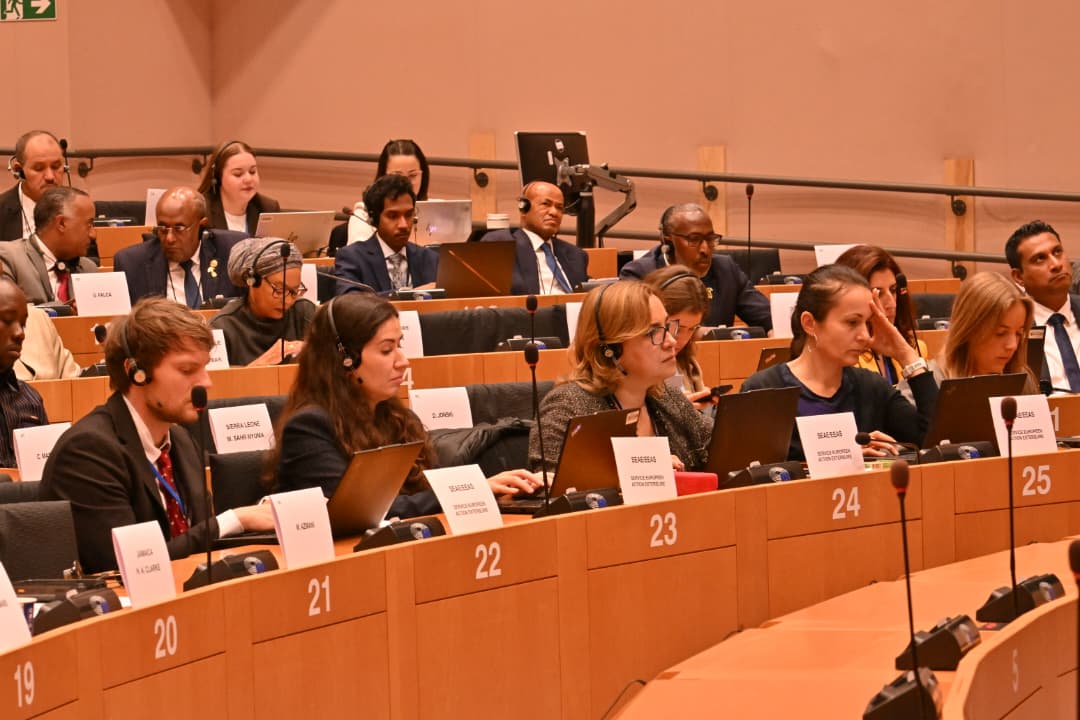
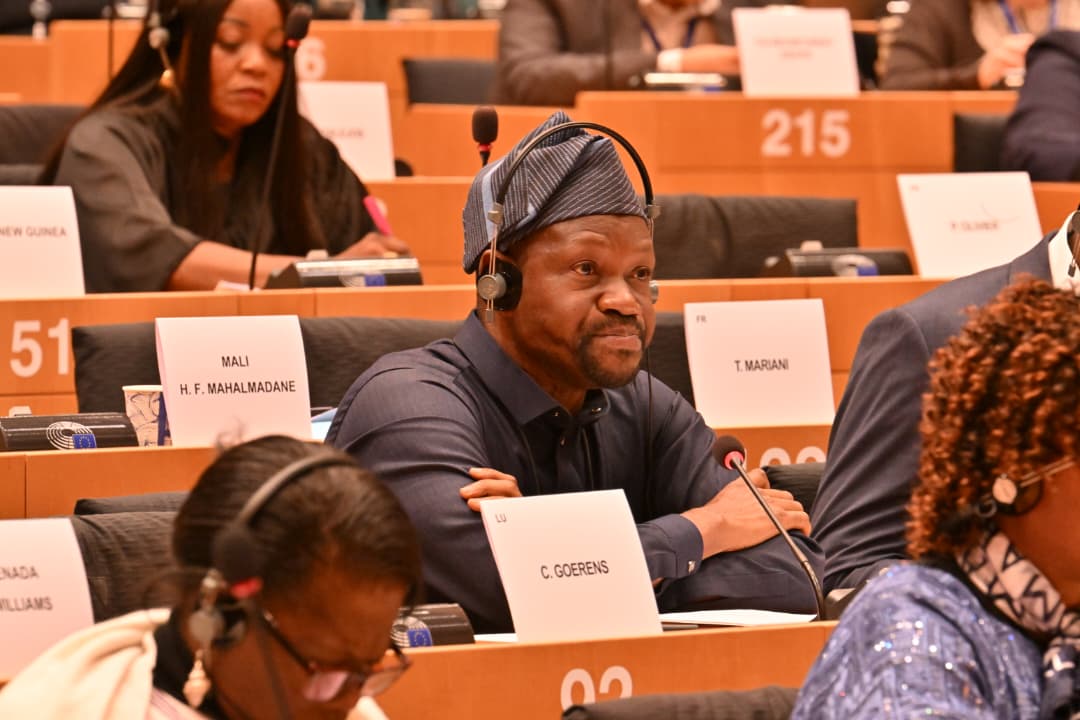
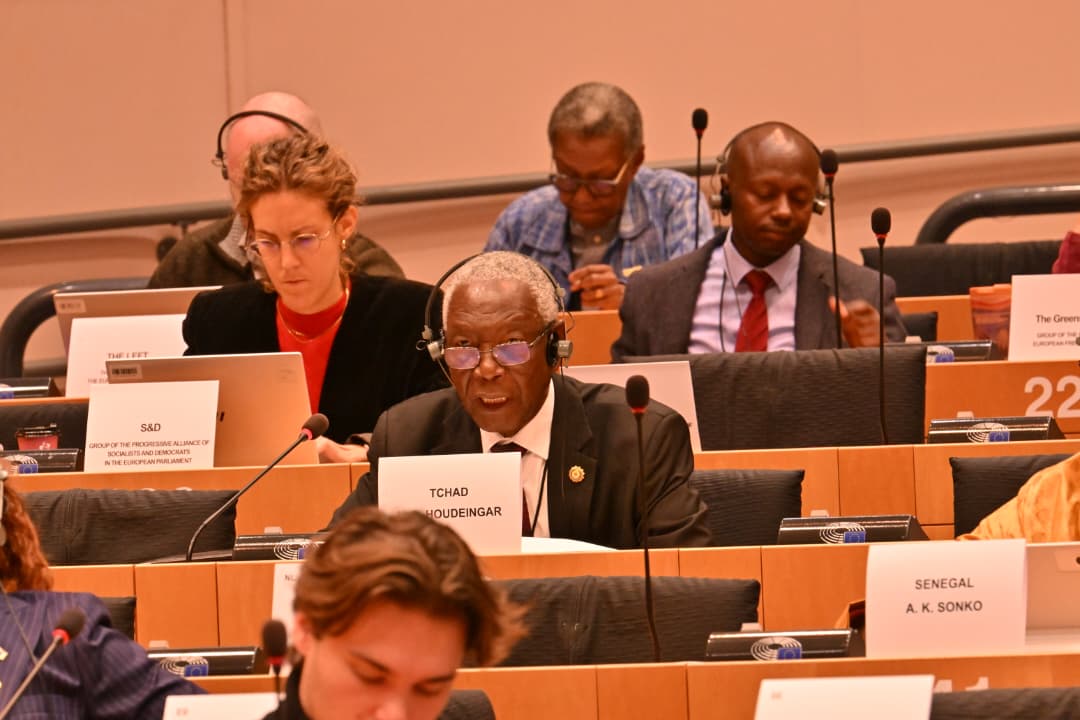
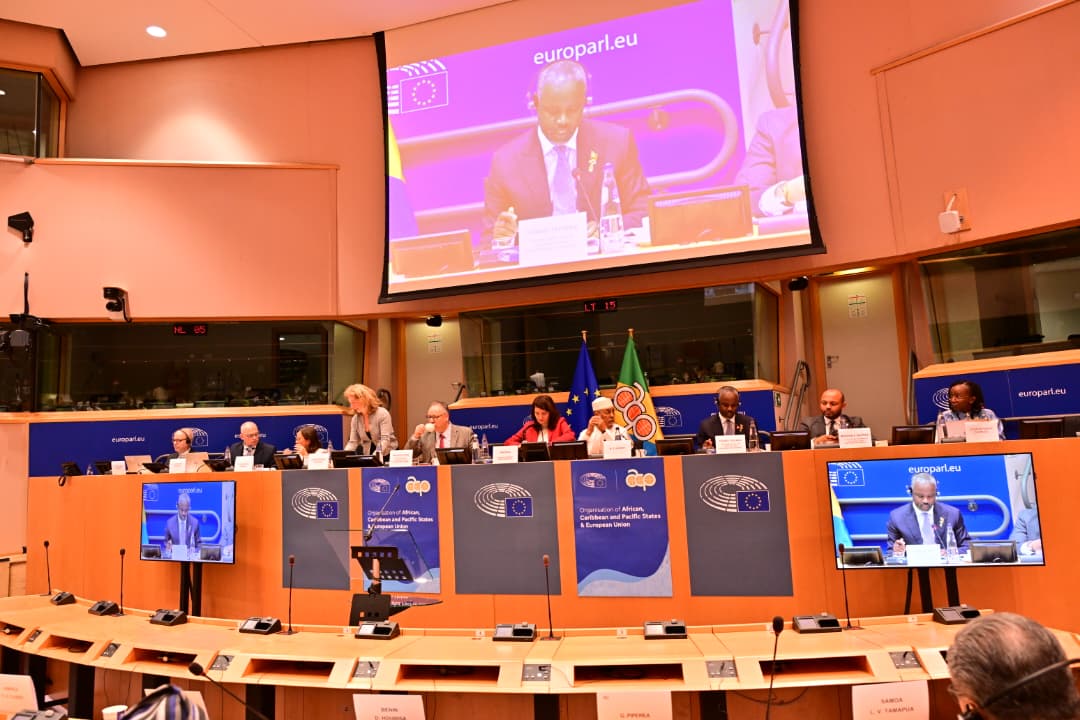
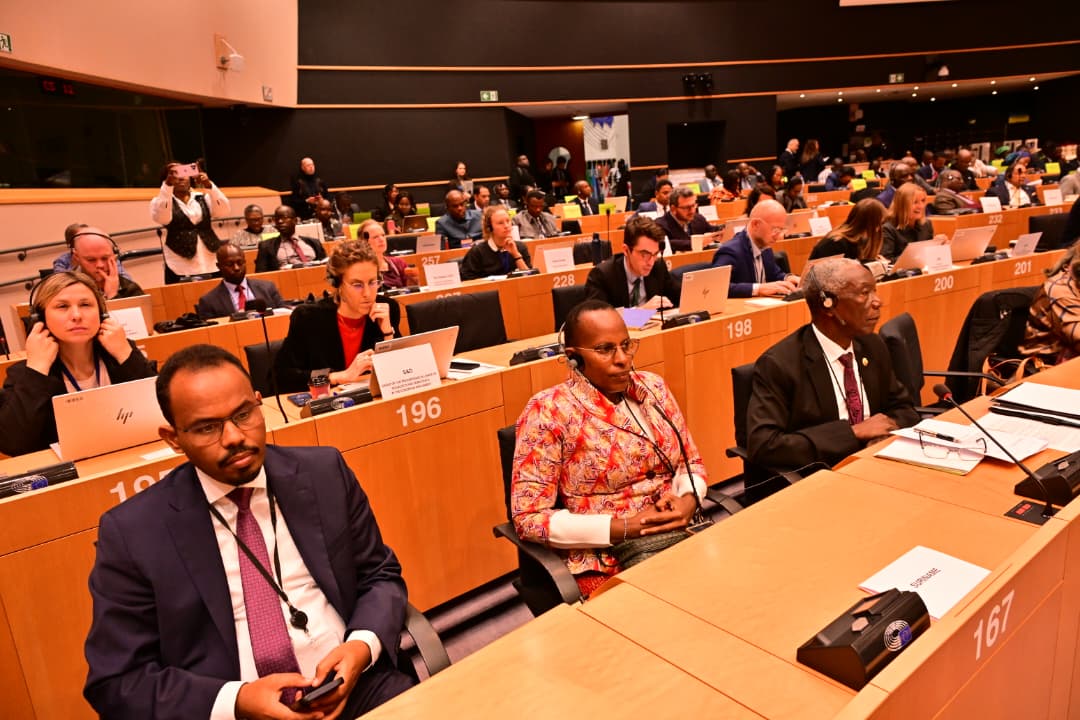
Tayebwa made the call while chairing a joint parliamentary assembly of the OACPS and the European Union (EU) in Brussels, Belgium, on Wednesday, under the theme Global Security and Multilateralism in a Highly Interconnected, Multipolar and Fragmented World.
He argued that security and development are closely interconnected, noting that conflicts disrupt public services, destroy livelihoods and divert resources away from national development priorities. He added that organised crime and instability increasingly transcend national borders which make international cooperation more necessary than ever.
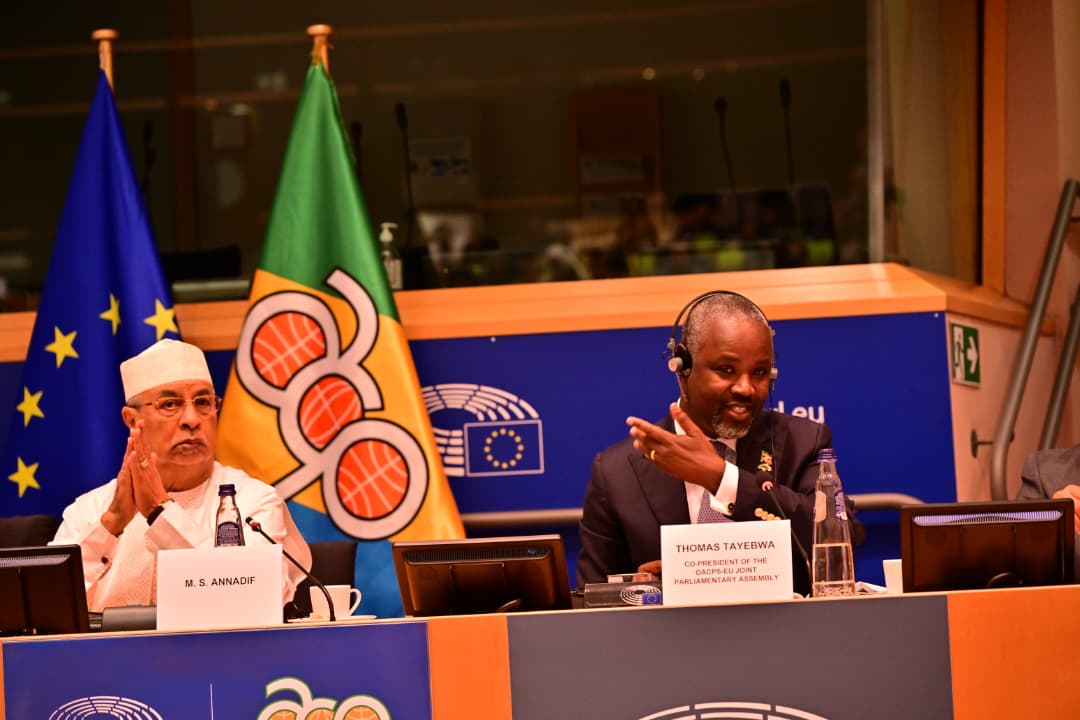
“Our partnership should help strengthen respect for sovereignty, international law and the protection of civilians. It should also support international institutions in which developing countries and smaller states have a meaningful voice,” Tayebwa said.
He challenged parliamentarians from both regions to strengthen dialogue, support mediation and hold their respective governments accountable for commitments towards preventing crises and sustaining peace.
Uganda’s refugee open-door policy
Highlighting Uganda’s experience in hosting refugees, Tayebwa said that the country currently accommodates more than two million refugees, mainly from neighbouring countries, including the Democratic Republic of the Congo (DRC), Sudan, Burundi and South Sudan.
However, he expressed concern that Uganda receives only 12.5 per cent of the funding required to support the refugee population, forcing the government to divert resources intended for national development towards providing humanitarian assistance.
“As a country, we will never close our borders to anyone seeking refuge because of conflict,” he said.
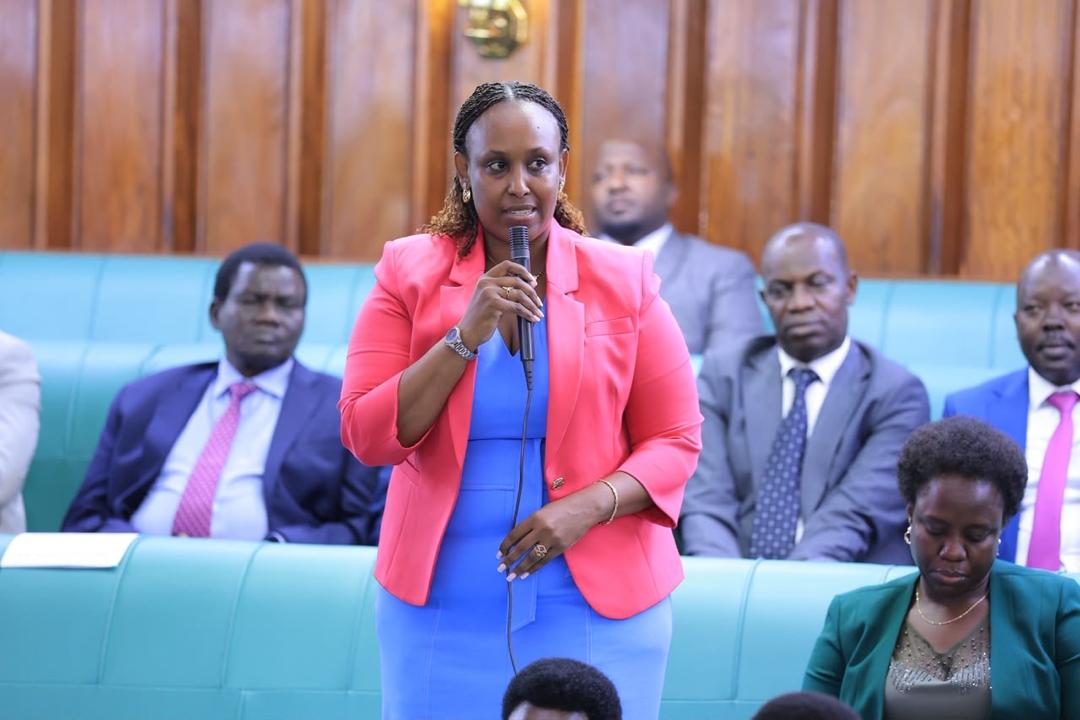
Sheema Municipality Member of Parliament, Hon. Dicksons Kateshumbwa called for reforms in global financial governance, improved debt sustainability and increased development financing to strengthen developing economies and improve people’s livelihoods.
Kateshumbwa argued that economic insecurity, unemployment and limited opportunities can make vulnerable populations susceptible to recruitment into conflicts.
He cited the recruitment of young people from developing countries to participate in the Russia-Ukraine war as an example of how economic vulnerability can expose people to involvement in conflicts.
A good example of international cooperation
Former Chadian Minister of Foreign Affairs and former United Nations envoy, H.E. Mohamed Saleh Annadif, described the renewed partnership between the OACPS and the European Union as a practical example of how international institutions can adapt their cooperation to changing global circumstances.
He noted that the two organisations had demonstrated that it was possible to renew their relationship and build a mutually beneficial partnership based on mutual trust and respect.
However, Annadif cautioned that historical imbalances in international relations remained a concern, stressing that Africa, the Caribbean and the Pacific should not be treated merely as areas of geopolitical influence or experimentation.
Instead, he said, these regions should be recognised as important global actors and contributors of innovative solutions to challenges such as energy transition and conflict resolution.
Zimbabwean delegate, Lt. Gen. Michael Reuben Nyambuya, said that although multilateral institutions were facing increasing challenges, the international community should strengthen rather than abandon multilateralism.
He said that the United Nations remains the cornerstone of the international multilateral system and called on the OACPS and EU to defend its central role in maintaining international peace and security.