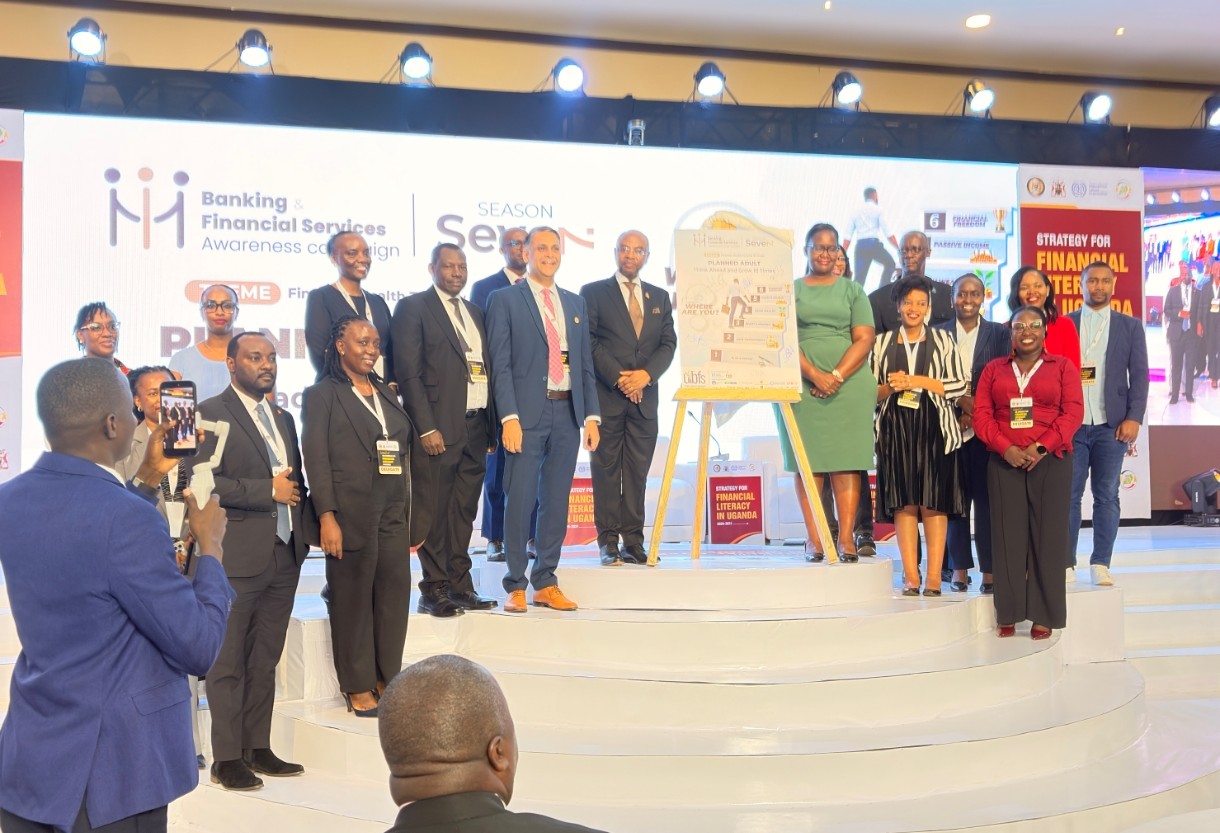
Kampala: KCB Bank Uganda has reaffirmed its commitment to advancing financial literacy and responsible financial practices as Uganda launches its Third Strategy for Financial Literacy (2026–2031), a five-year national roadmap aimed at equipping Ugandans with the knowledge, skills and confidence to make informed financial decisions.
The strategy, launched today under the leadership of the Bank of Uganda, follows the conclusion of the previous 2019–2024 strategy and seeks to strengthen household financial resilience, support enterprise growth, promote responsible use of financial products, enhance digital financial capability and improve consumer protection.
The launch brought together key government officials, financial institutions and development partners, including the Deputy Governor of the Bank of Uganda, Augustine Nuwagaba, and Sandra Nakabiito, who represented the Minister of Finance, Planning and Economic Development.
Speaking on behalf of the Minister, Nakabiito emphasised that access to financial services must be complemented by the ability to use them effectively, noting that financial literacy remains critical to building financially resilient households and sustainable enterprises.
“Money is only as powerful as the person who holds it. What separates two individuals earning the same income is not luck or access, but knowledge, skills and confidence in handling money. That is financial literacy,” she said.
The strategy places particular emphasis on young people, women, informal workers, micro, small and medium enterprises (MSMEs), farmers and rural communities. It also prioritises practical financial education covering savings, budgeting, borrowing, investment, insurance, retirement planning, consumer protection and digital financial literacy.
Representing KCB Bank Uganda, Miranda Bageine Musoke, Head of Retail Banking, highlighted the role of financial institutions in moving beyond providing financial products to empowering customers to use them responsibly and improve their livelihoods.
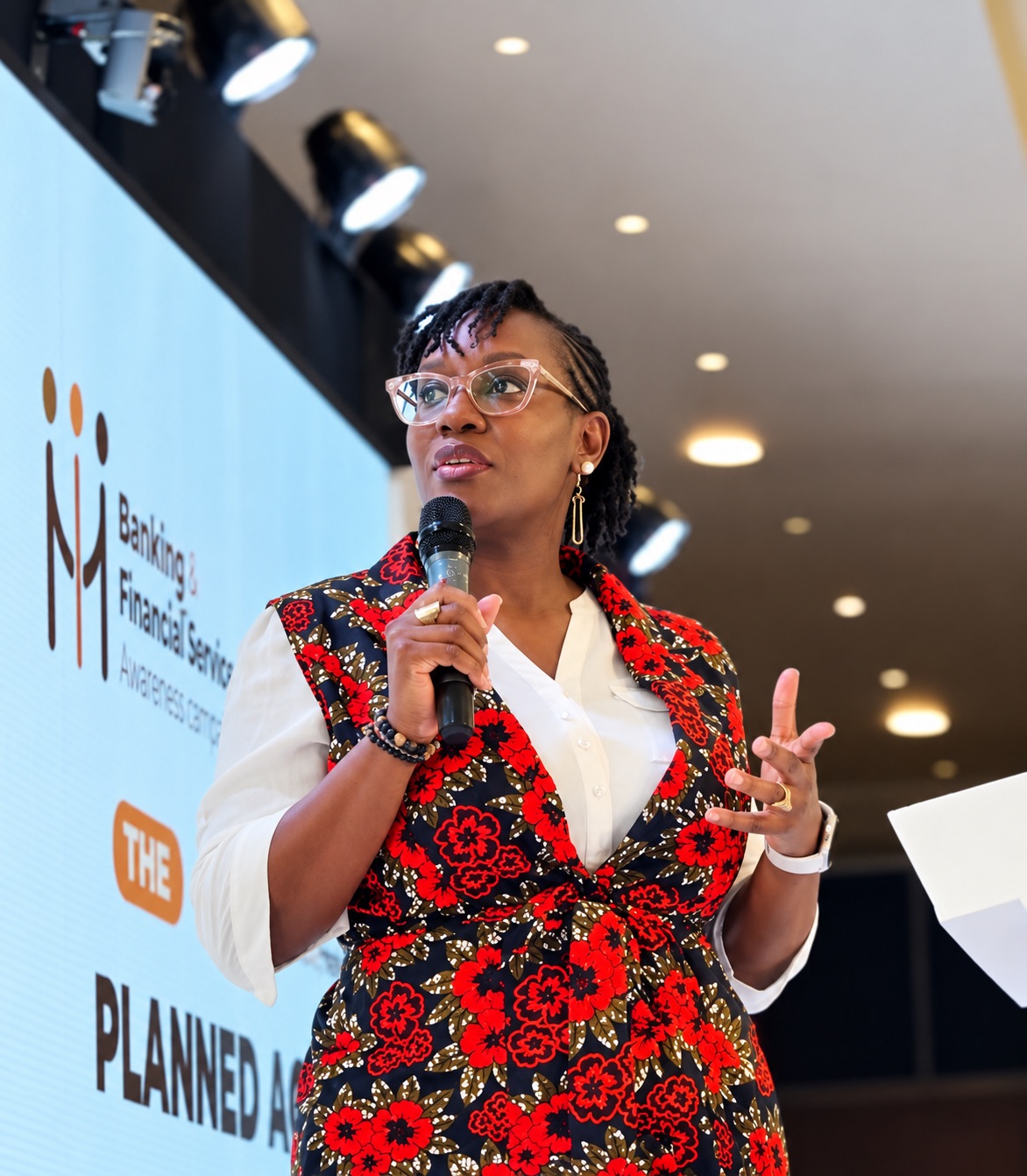
“At KCB Bank Uganda, we recognise that financial literacy goes beyond providing customers with products and services. It is about empowering individuals, households and businesses to make informed decisions. We are committed to consolidating our existing initiatives, measuring behavioural changes in areas such as savings and credit management, and strengthening partnerships to extend financial education to more Ugandans,” she said.
KCB Bank Uganda continues to support financial literacy through several initiatives targeting different segments of society. These include its Female-Led and Made Enterprises (FLME) proposition, which equips women entrepreneurs with business insights and access to relevant financial solutions; SME business forums and Power Talk sessions that provide entrepreneurs with practical business and financial knowledge; and youth empowerment initiatives through the KCB Foundation’s Twekozese programme, which has reached more than 2,500 young people with technical, financial and business skills.
The bank also promotes digital financial literacy through customer education, practical instructional guides and step-by-step videos that support the adoption and responsible use of its Mobi iBank and KCB Pay platforms. Partnerships with MTN and Airtel further extend access to savings solutions, including MoPesa and Airtel Super Saver.
Through its participation in the 2026–2031 strategy, KCB Bank Uganda joins other financial sector stakeholders in advancing a coordinated approach to financial education, with a focus on translating knowledge into measurable improvements in financial behaviour, resilience and economic opportunity.