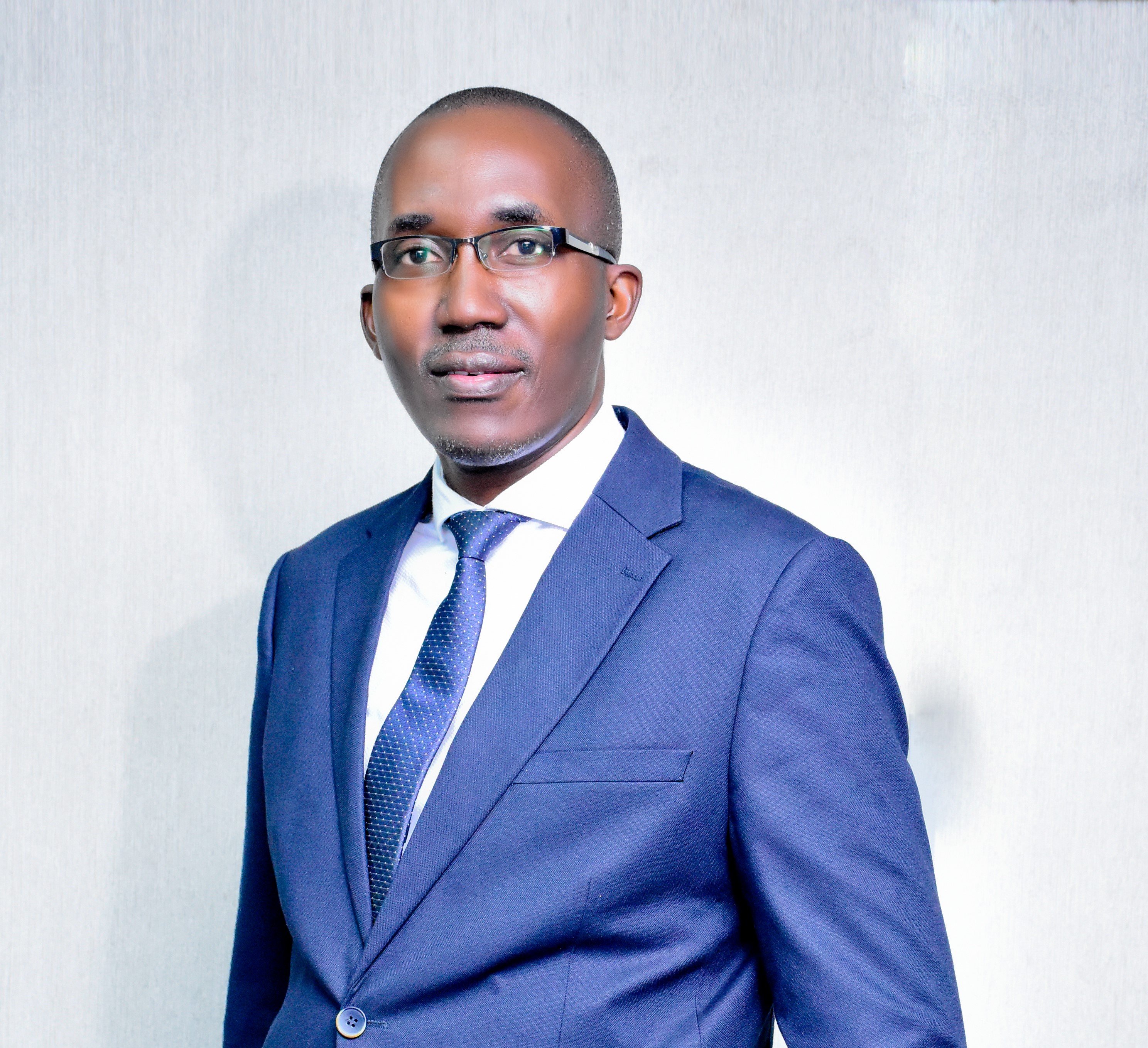
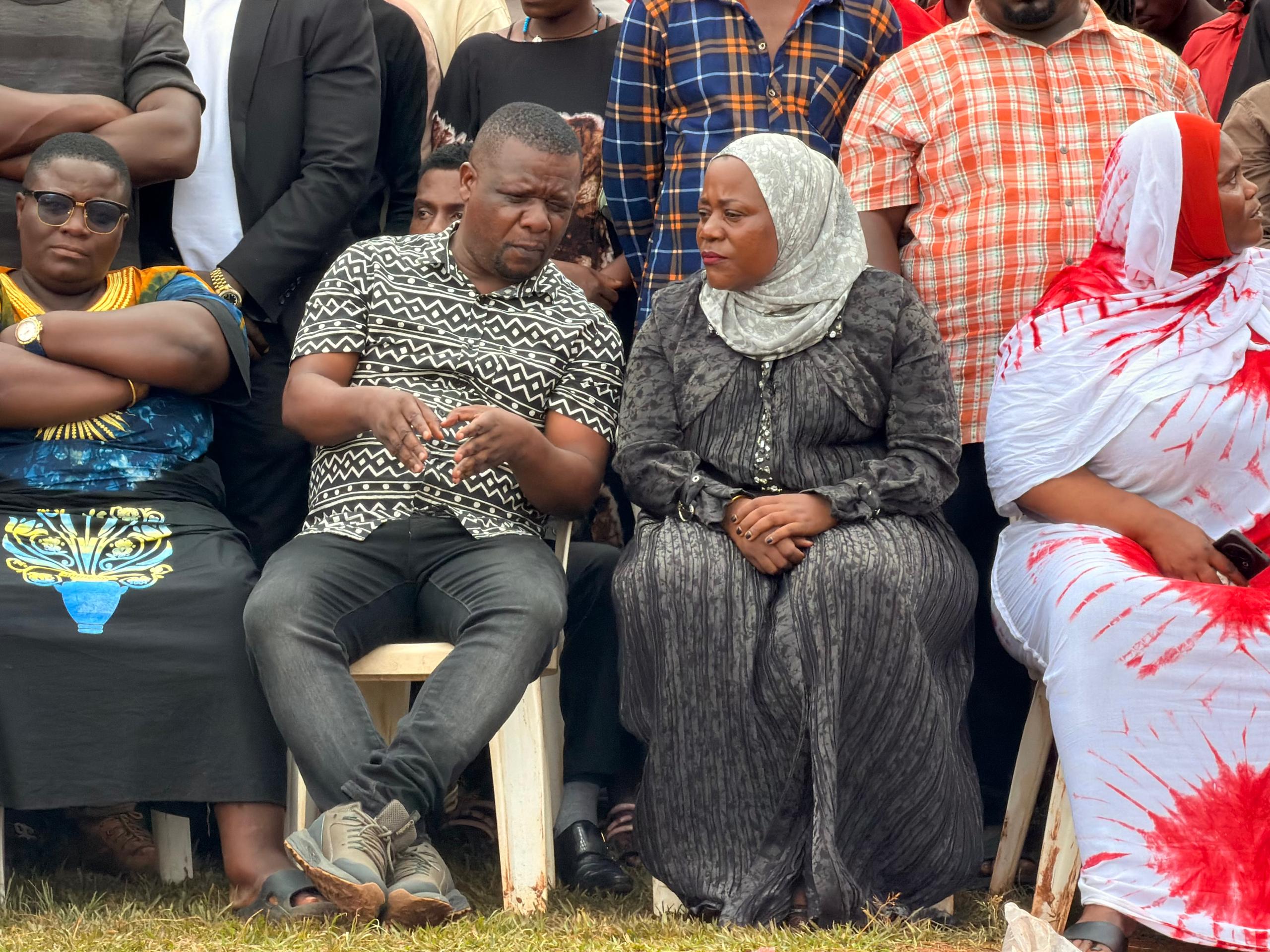
The life of Gen. Keith Katungi is driven by three core principles: service, hard work and the provision of security to the people. The last of these defines his professional calling as a soldier and reflects the patriotic commitment with which he has pursued his chosen career. For his allies and community members in Kampala Metropolitan, these principles form the foundation of a story about military service, youth engagement and the security of the people he serves, writes Brian Mugenyi.
For Katungi’s allies, the story of the general goes beyond the military barracks. They describe him as a supportive officer whose leadership, in their view, extends to soldiers under his command and communities where he has served.
Led by Edison Kirabira of the Federation of Uganda Social Media Influencers, Katungi’s supporters say his approach to service deserves recognition, particularly in discussions about security, youth engagement and the challenges facing vulnerable communities.
“He is a very supportive officer. He is loved by soldiers under his command and the wananchi wherever he serves. He is among the generals Uganda has in the UPDF, and his record in command is excellent,” Kirabira said.
The account presented by Katungi’s allies places particular emphasis on Kampala Metropolitan, where young people in informal settlements face challenges related to employment, livelihoods and access to economic opportunities.
Beyond the barracks
For many young people in Kampala, Wakiso and Mukono, the search for employment and sustainable livelihoods remains a pressing concern. Access to skills, business opportunities and financial support can determine whether young people establish enterprises or remain economically vulnerable.
Katungi’s supporters say his reported engagement with ghetto youth reflects the importance of connecting young people to constructive opportunities and encouraging peaceful participation in society.
They point to youth engagement initiatives dating back to 2019 as part of their account of his work. They also cite reported efforts to connect young people to employment opportunities at the Kapeeka industrial centre.
The precise number of beneficiaries and Katungi’s direct involvement in these initiatives require further verification. Interviews with young people who participated, alongside programme records, would help establish the extent of the reported impact.
Nevertheless, the broader question of youth empowerment remains important to Kampala Metropolitan, where informal-sector workers, small-business owners, artisans and young entrepreneurs contribute to the urban economy.
For Katungi’s allies, engagement with young people is one way of understanding a soldier’s responsibilities beyond conventional military duties.
Security and community confidence
Kirabira also credits Katungi with contributing to security in the communities where he has served.
“He has equipped the Northern Region with security. The community is safe, and this is one of his achievements, despite the criticism and what people may say,” Kirabira said.
Although this particular statement refers to Northern Uganda, his supporters say the general’s wider service should be considered in the context of the security needs of communities across his postings.
An assessment of his contribution to security in Kampala Metropolitan would require specific evidence from the areas concerned, including accounts from residents, local leaders and relevant security authorities.
Security is closely linked to the daily lives of urban residents. Traders need to open their businesses, boda boda riders need to transport passengers, and young people need opportunities to work without becoming vulnerable to crime or exploitation.
In this context, community engagement and cooperation between residents and security institutions can help identify local concerns and encourage peaceful approaches to resolving them.
The wider ghetto youth question
Kampala Metropolitan has seen government initiatives aimed at organising ghetto youth into savings and credit cooperative organisations (SACCOs).
In August 2024, the government announced that President Yoweri Museveni had fulfilled a Shs1.2 billion pledge to 12 ghetto SACCOs operating across Kampala, Wakiso and Mukono. Each SACCO received Shs100 million, according to the official announcement.
The initiative was intended to support youth organisation, savings and income-generating activities. Officials also encouraged beneficiaries to embrace programmes such as the Parish Development Model and pursue productive enterprises.
This background illustrates the importance of youth engagement in Kampala Metropolitan, but it does not independently establish Katungi’s role in the SACCO initiative. His supporters’ claims about his own contribution must be assessed separately.
For young people, the ultimate measure of such initiatives is whether they lead to viable businesses, improved household incomes and sustainable employment.
Recognition in Somalia
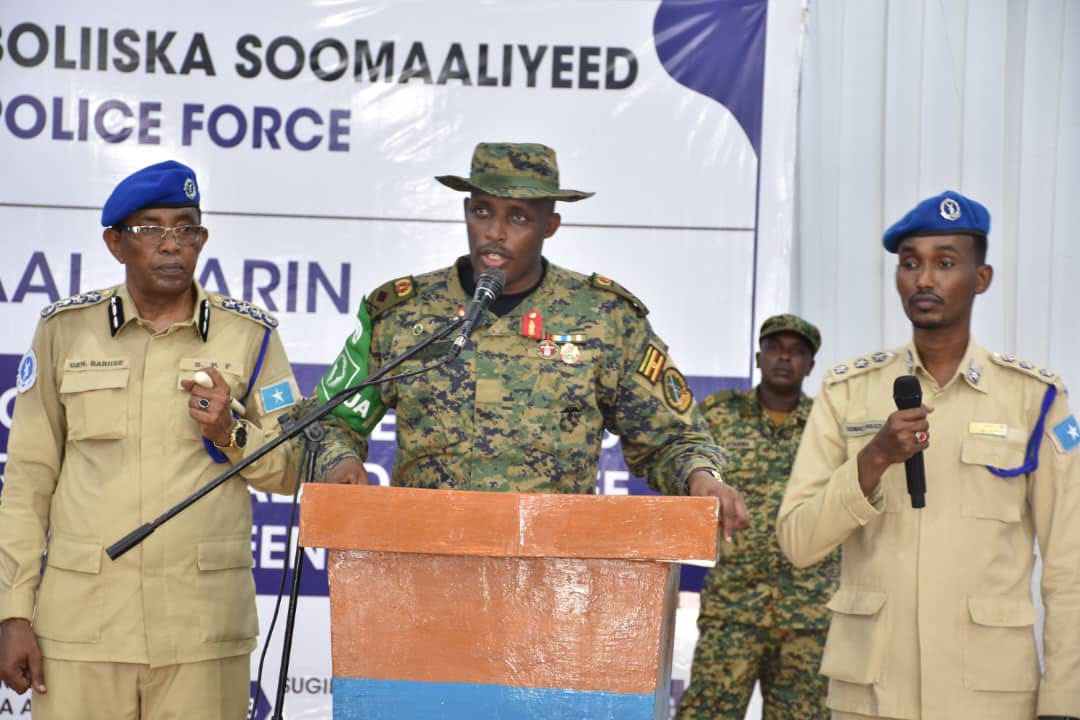
One documented milestone in Katungi’s military career came in Somalia, where the Federal Government of Somalia honoured him on May 28, 2022, for his contribution to securing the country’s parliamentary and presidential elections.
At a ceremony held at the National Police Academy in Mogadishu, he received a certificate of recognition presented by the State Minister for Internal Affairs, Fahim Mohammad Ali.
The recognition followed cooperation between the Somali National Police, the African Union Transition Mission in Somalia (ATMIS) and the Uganda People’s Defence Forces (UPDF) during the election process.
The ceremony was attended by senior security officials, including Somali National Police Commissioner Gen. Abdi Hassan Hijar, ATMIS Force Commander Gen. Diomede Ndegeya and Deputy Force Commander Maj. Gen. William Kitsuo Shume.
In his remarks, Katungi credited cooperation among the participating institutions for the election security arrangements.
“This success was to the people of Somalia, Troop Contributing Countries (TCCs) and to Africa as a whole,” he said.
The recognition provides a documented chapter in his career and places his service within the wider context of regional security cooperation.
Responding to criticism
Katungi’s allies have also criticised statements attributed to social media personalities Fred Lumbuye and Mabonga concerning the general.
Kirabira alleged that the statements were intended to undermine Katungi’s reputation and influence peer groups against him.
“They will not succeed in their malign influence,” he said.
The allegations about the individuals’ motives could not be independently established from the information available. Those named should be given an opportunity to respond, and any substantive claims concerning Katungi should be assessed against verifiable evidence.
Public scrutiny is important when examining the conduct of public officers and security personnel. Equally, criticism should be supported by evidence, and individuals should have an opportunity to respond to allegations.
For Katungi’s allies, their defence rests on what they describe as his record of service, support for soldiers and engagement with communities.
A story still unfolding
The story of Gen. Keith Katungi brings together his documented military service and the accounts of supporters who believe his contribution extends beyond the barracks.
His recognition in Somalia provides a verifiable milestone. His allies’ accounts of youth engagement and community security identify areas that warrant further reporting through interviews with beneficiaries, local leaders and independent sources.
In Kampala Metropolitan, where the concerns of young people include jobs, business opportunities and personal security, the wider question is how public institutions can help create conditions in which communities prosper.
For Kirabira and Katungi’s other allies, the general’s service should be considered within that broader discussion.
Ultimately, the measure of a soldier’s contribution lies not only in the uniform he wears, but also in the responsibilities he fulfils and the demonstrable outcomes of his work for the people he serves.Gen. Katungi: Allies led by Kirabira hail his support for soldiers and communities in Acholi.