Tag: Roke Telkom

  • How Internet Access is Changing the Face of Farming in Uganda

    How Internet Access is Changing the Face of Farming in Uganda

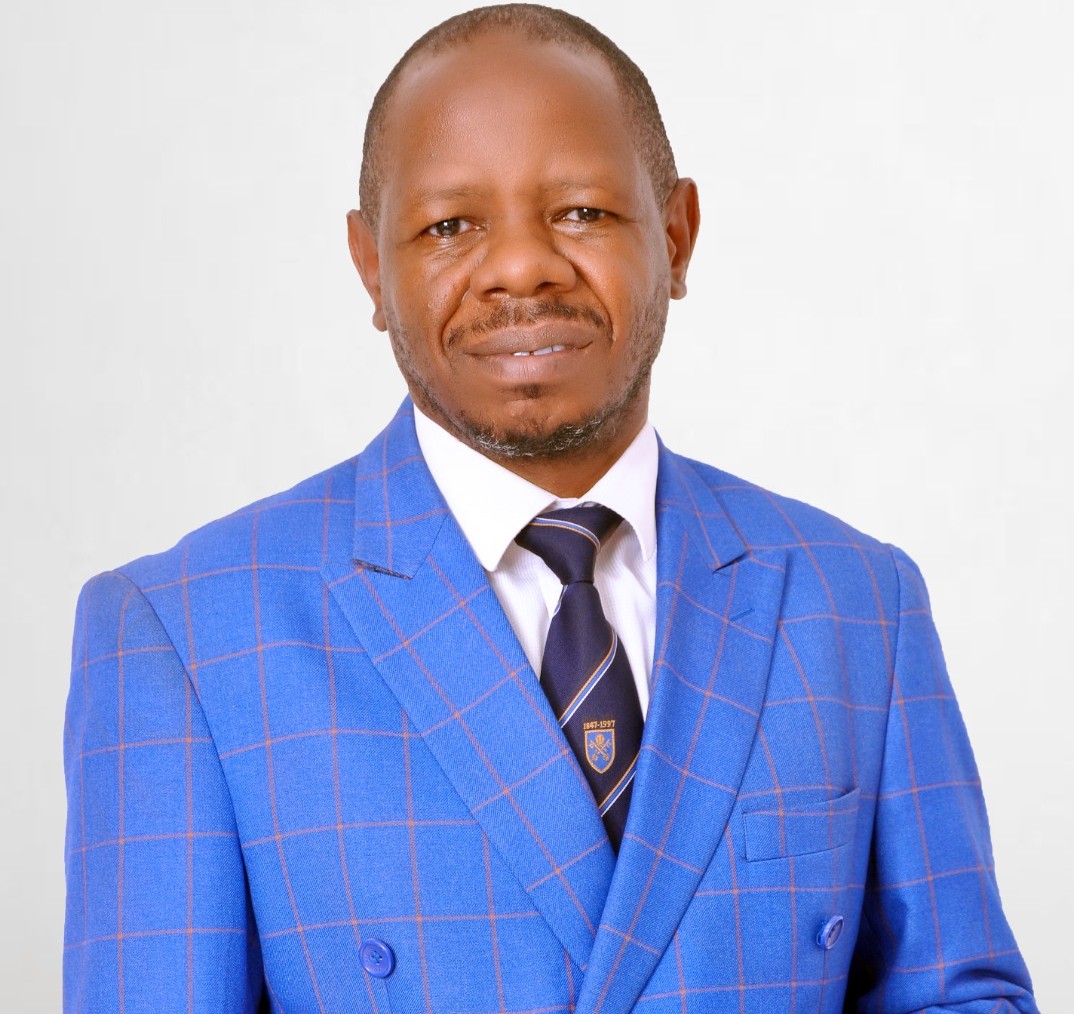
    By Elijah Tumusiime

    Agriculture is a major pillar in the Ugandan economy, contributing to over 25% of the country’s GDP. However, a large portion of the industry has depended on antiquated techniques for decades, which restricts market access and productivity. As internet connectivity starts to change how farmers grow, harvest, and market their produce, a shift in how things are done is taking place.

    The internet is increasingly becoming as crucial to farming in Uganda’s rural villages as rainfall and rich soil. Farmers now have access to pest alerts, crop management guidance, and real-time weather forecasts via connected mobile phones and internet platforms. They can reduce losses and increase yields by using this information to make better decisions about when to plant, water, or harvest.

    Another significant benefit of connection is the availability of market data. In the past, many farmers relied on intermediaries to update prices and find buyers, which frequently left them with little negotiating leverage. Farmers now monitor crop prices in major marketplaces, communicate directly with traders, and investigate local export prospects thanks to internet-enabled platforms. A quarter of Uganda’s GDP comes from agriculture, and improved market access can significantly affect incomes, according to the Uganda Bureau of Statistics’ 2024 report from the population census.
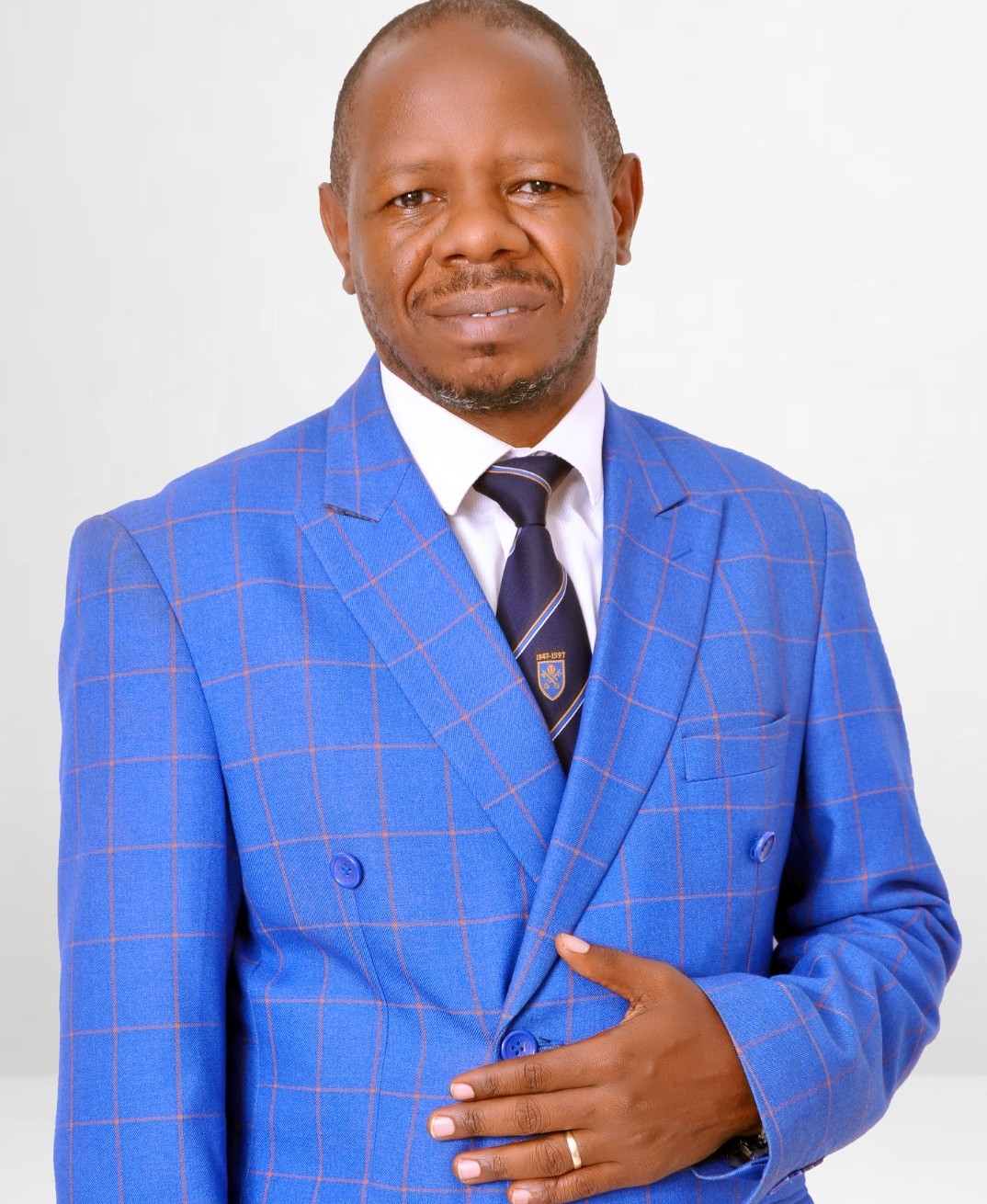
    Elijah Tumusiime

    Agricultural financing is also changing as a result of digital connectivity. Farmers, cooperatives, and buyers may now deal more quickly and securely thanks to mobile money and internet payment methods. Farmers may use their phones to transact instantaneously rather than travelling great distances to pay suppliers or collect payments. This convenience helps Uganda’s smallholder farmers engage more actively in official markets and promotes a more efficient value chain.Opening agriculture to a new generation of entrepreneurs is another key benefit of the internet.

    A growing number of young Ugandans are embracing digital platforms to receive extension services, view training videos, learn about contemporary farming techniques, and even start agritech businesses. The potential to create a more intelligent, technologically advanced agricultural sector increases as internet availability in Uganda keeps rising.Reliable connectivity companies like Roke Telkom are essential in this situation.

    Connectivity providers are assisting in closing the digital divide between metropolitan areas and rural communities by extending high-speed internet infrastructure to businesses, institutions, and rural communities. Connecting agribusinesses, cooperatives, and agro-processors allows them to manage logistics, monitor storage facilities, coordinate supply chains, and provide farmers with real-time information.

    Fertile land, diligent farmers, and the robustness of Uganda’s digital infrastructure will determine the country’s agricultural destiny. Increasing dependable internet connectivity in rural areas will open up new possibilities for resilience, productivity, and equitable economic growth. Uganda can create a digitally connected agricultural ecosystem where farmers have access to markets, resources, and information necessary to prosper in a contemporary economy by working together with the government, telecom companies, development partners, and the private sector.

    Connectivity is already sowing the seeds of change, and with continued investment in digital skills and internet infrastructure, Uganda’s farmers will be better equipped to feed the country and compete in international markets in the future.The writer is the Chief Commercial Officer Roke Telkom.
  • Roke Telkom Partners with Uganda Child Cancer Foundation, Pledging UGX 30M in Publicity Ahead of the 4th Childhood Cancer Colour Run

    Roke Telkom Partners with Uganda Child Cancer Foundation, Pledging UGX 30M in Publicity Ahead of the 4th Childhood Cancer Colour Run

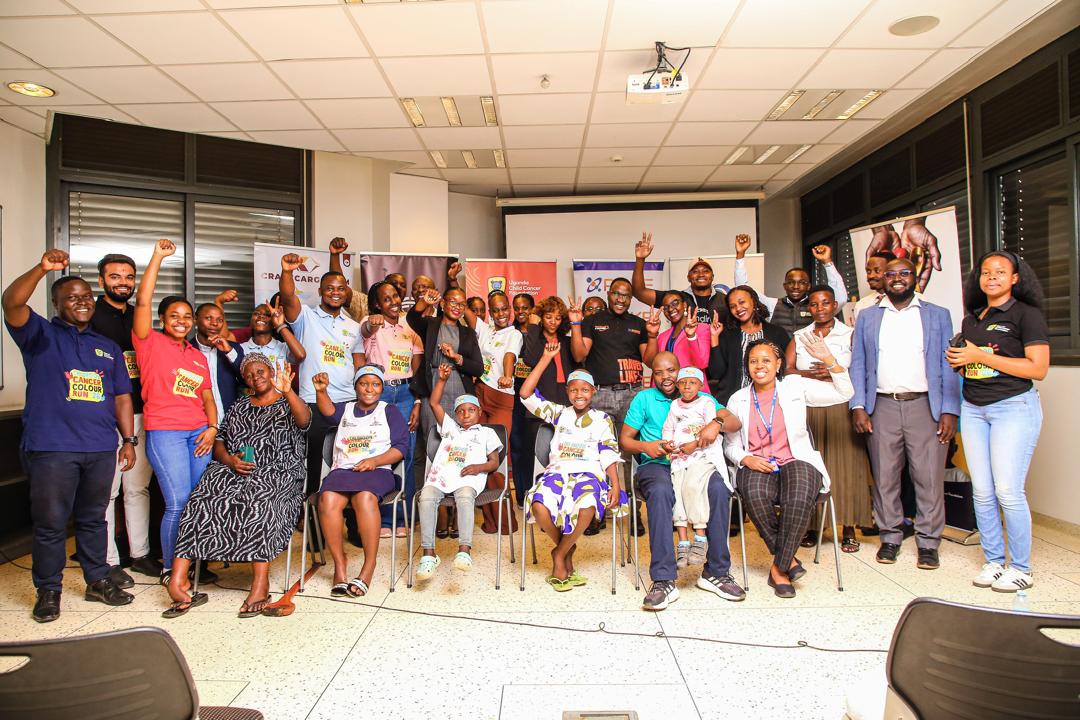
    Kampala:  In a major commitment to pediatric healthcare and community welfare, Roke Telkom has officially announced its partnership with the Uganda Child Cancer Foundation (UCCF) for the 4th Edition of the Childhood Cancer Colour Run. The marathon, scheduled for Saturday, May 17, 2026, under the theme “Behind Every Step, A Child’s Story,” aims to close vital gaps in cancer treatment and survival for children in Uganda.

    As a home-grown telecommunications and cloud solutions provider, Roke Telkom is leveraging its infrastructure and reach to amplify the fight against childhood cancer.This year’s partnership is designed to address the rising burden of the disease, which saw new diagnoses at the Uganda Cancer Institute climb from 700 children in 2022 to 800 new cases in 2025.

    Roke Telkom staff and UCCF pose for a group photo

    The 2026 edition of the run has set an ambitious target to raise UGX 250M. These funds will shift from long-term infrastructure to immediate, life-saving interventions, including support for early diagnosis, medical care, transport assistance for families traveling from rural areas, and essential nutrition support to help young patients withstand the rigors of treatment.Beyond its role as an official partner, Roke Telkom is providing a robust support package to ensure the event’s message resonates across the nation.

    “At Roke Telkom, we believe that connectivity is about more than just internet cables and routers; it’s about connecting people to the things that matter most. And nothing matters more than the health and future of our children,” said Timothy Mugenyi, Head of Partnerships and Community Impact at Roke Telkom. “We are proud to stand with the Childhood Cancer Colour Run as an official partner. To ensure this message reaches every corner of our community, Roke Telkom is committing in-kind support valued at over UGX 30,000,000 toward media and publicity, as well as providing high-speed Internet on the day of the event.

    Timothy Mugenyi, Head of Partnerships and Community Impact, Roke Telkom

    “The partnership provides a vital boost to the UCCF’s strategic pivot for 2026. Moses Echodu, Executive Director of UCCF, noted that while the foundation has already secured UGX 43,000,000 toward a long-term goal of building a children’s hostel by 2030, the immediate priority must be keeping children in care today. With Roke Telkom’s support, the foundation aims to directly impact over 1,000 children through the 2026-2027 treatment cycle.The run will flag off at the Uganda Cancer Institute at 6:30 am. Members of the public can participate by purchasing kits, which are available in three categories: the Students Package at UGX 25,000, the Standard Package at UGX 35,000, and the Premium Package at UGX 50,000. These can be got at any Carrefour outlets and Endiiro Café.

    “Cancer is a tough battle, but when we come together, we provide a network of hope that no child should have to build alone. We invite everyone to join us, get splashed with colour, and run for a cause that truly changes lives,” Mugenyi concluded.

  • How the Transformative Power of Internet Access is Bridging Uganda’s Digital Divide

    How the Transformative Power of Internet Access is Bridging Uganda’s Digital Divide

    By Timothy Mugyenyi

    I am reminded of an interaction I had within Nakivale refugee camp. We stopped by a Rolex stand and spoke with some young gentlemen deeply engrossed in a video whilst sharing a smartphone. When we asked if they knew about the internet hotspot recently set up in the area, with enthusiasm, they responded saying it is “Kyakabi!” The reason was cost savings versus the alternatives, its unlimited data use, ease, and it was exactly what they were using. I probed deeper to ask what they use it for, and they said, “to learn new ways of making Rolexes and also to get trends on TikTok!” My colleague immediately ordered a rolex and it was good.

    This got me thinking, if the internet creates opportunity for a Rolex maker on a shared device, what transformative power does the internet truly have on communities? So I sought to ask what some of the people in these otherwise rural areas use the internet for, and the answers were simply aligned with increased productivity and development.

    A market lady orders beans and gnuts from farmers, and they send videos to verify the quality. A vacist awaiting results said they do free online courses to certify in areas of study, so when they join a university, they are better. A butcher picks out a goat for slaughter with video calls. All these are made possible with the internet.

    Internet offers an opportunity and a multiplier of progress when coupled with the knowledge and tools in the hands of the user to unlock the right opportunities. Which shows a particular rift that comes to light in digital inclusion and connection in the outskirts of major urban centres, with many being offline in these areas, either due to knowledge, devices or internet costs.

    The absence of this access creates a divide that is technological, educational, economic, and social. It affects communication and knowledge sharing which is the very fabric of modern life. There is a great need for increased low-cost internet options for some of these rural areas or communities, as well as an increase in digital literacy. There have been a number of strides in the field of connectivity and inclusivity of access.

    Globally there are initiatives like Giga and the works of the internet society. Locally, there are efforts by different actors, including UCC’s USACF and the different players in the space. The major call is to see that we need to have internet present in the hands of every citizen in the village or town, so that progress towards development is a collective effort. I reflect on the recent internet shutdown, and one thought keeps crossing my mind: how we as an economy have gotten so used to utilising the internet and how it has turbocharged our lives alongside productivity. The power of connectivity is not something to be taken lightly.

    A divide persists between rural and urban settings. The beauty is that many companies are coming up with strategies to extend their internet services into more rural areas, building out fibre connectivity across the country. This raises an important question of how much more we can transform our economy and our nation simply by harnessing the power of the internet.

    Kms of fibre crossing villages and towns with minimal uptake is also a challenge that needs to be looked into, and how can those living alongside the towers, as well as the fibre lines, start to reap the benefits of the connectivity that is a lifeline for development? There is a need to accelerate the development of digital public infrastructure, an agenda I know is already underway. We must decentralise ICT skills at the grassroots level and integrate them into regular day-to-day life. If we achieve digital literacy for everyone, we will move the needle ahead, not just as people but as a developed, connected society. The digital divide is real, but so is the opportunity. The question remains, “Will we seize it? Or watch the opportunity of progress pass us by.”

    The writer is the Head of Partnerships and Community Impact at Roke Telkom

  • Uganda’s Digital Transformation and the Lessons Shaping ICT and Telecommunications

    Uganda’s Digital Transformation and the Lessons Shaping ICT and Telecommunications

    By Elijah Tumusiime

    In an increasingly digital world, the ability to leverage technology for socio-economic growth is paramount. For decision-makers in developing nations, Uganda’s journey in ICT and telecommunications provides not only inspiration but also practical lessons. The transition from limited connectivity to a vibrant digital landscape exemplifies how strategic decisions and innovative practices can drive inclusive growth.

    A pivotal moment in Uganda’s digital evolution occurred in the late 1990s when the government liberalised the telecommunications sector. This decision dismantled the monopoly of the Uganda Posts and Telecommunications Corporation, paving the way for private investment.

    Remarkably, the entry of telecom giants like MTN Uganda and Airtel not only increased access to mobile and internet services but also sparked competition that brought down costs and spurred innovations. Within just a few years, mobile phones became indispensable for communication and commerce, especially in rural regions lacking infrastructure.

    This transformation highlights a critical insight for leaders: deregulation and competition can lead to market growth and improved services. The experiences of Uganda demonstrate that strategic policy reforms when combined with private sector engagement, can yield significant socio-economic benefits.

    Elijah Tumusiime

    This approach facilitated the emergence of mobile money services in 2009, which addressed a substantial gap in financial inclusion. By enabling millions of previously unbanked citizens to access financial services via mobile phones, platforms like MTN Mobile Money and Airtel Money empowered individuals and small enterprises, fostering entrepreneurship and expanding economic opportunities. The success of mobile money in Uganda is a case study for other nations aiming to bridge their financial divides.

    The democratization of financial services has not only improved access to credit but has also supported social programs, enriching community welfare and enhancing economic stability. Decision-makers can learn from this: investing in digital financial services can significantly impact poverty alleviation and economic empowerment.

    Further, Uganda’s investment in its National Backbone Infrastructure (NBI) is crucial. This shared fiber-optic network has reduced internet costs and extended services to underserved areas, promoting equitable access to technology. Coupled with telecom operators increasing their 4G and fiber-optic connectivity, these developments position Uganda as a regional leader in digital services.

    The lesson for other governments is clear: infrastructure investment is foundational to supporting a robust digital ecosystem.Uganda’s commitment to an e-government framework further exemplifies the effective use of technology in enhancing public service delivery. Digitizing processes like tax collection and land management not only streamlined operations but also increased transparency and efficiency. By reducing bureaucracy, the government demonstrated that a digital approach can significantly improve citizen engagement and service accessibility.

    Looking ahead, the implications of Uganda’s journey are profound. As organizations and governments worldwide explore digital avenues, they must recognize the multifaceted benefits of inclusive technology policies. Investing in digital innovation hubs, like those seen in Uganda, fosters entrepreneurship and equips the next generation with vital resources and mentorship.

    In conclusion, Uganda’s ICT and telecoms transformation serves as a model for harnessing technology to drive development. By learning from these experiences, leaders can foster an environment that not only embraces innovation but also promotes inclusive economic growth for all citizens. As we reflect on this journey, the question remains: how can we apply these lessons to shape a more connected and equitable future for our own nations?

    Elijah Tumusiime is the Chief Commercial Officer Roke Telkom

  • Roke Telkom welcomes the Black Pirates after Championship Victory

    Roke Telkom welcomes the Black Pirates after Championship Victory

    The air buzzed with excitement as the victorious Black Pirates, clad in their vibrant jerseys, arrived at the Roke Telkom offices. Their smiles radiated joy, and each handshake was a testament to the bond forged by shared ambition and mutual respect.

    As they entered the reception area, cheers erupted from the gathered staff spontaneous applause echoed off the walls, igniting an atmosphere filled with warmth and gratitude.

    This visit was a heartfelt expression of appreciation from the players to their devoted sponsors at Roke Telkom. After securing a thrilling championship win, the team felt compelled to acknowledge the unwavering support that had propelled them to greatness.

    CEO Roke Telkom with Chairman Black Pirates

    Their gesture exemplified the true spirit of partnership, one built on belief and dedication rather than just financial backing. As players mingled with Roke Telkom’s employees, you could see the genuine connections being forged. “It’s incredible to see how far we’ve come together,” said Rogers Sekaziga, CEO of Roke Telkom. He beamed with pride as he watched the athletes interact with the team behind the scenes.

    “Every cheer from the stands echoed the support of our staff. To celebrate this victory with them is truly special. This partnership has always been about more than just sponsorship; it’s about building a community together,” Sekaziga added, echoing the sentiments of all those present.

    Daniel Oboto Canowira, chairperson of the Black Pirates, articulated the essence of their collaboration. “Seeing our team grow and achieve greatness wouldn’t have been possible without Roke Telkom. They believed in us from day one, and today is our chance to show them how much that means to us.” His words resonated deeply with all who gathered, underscoring the value of trust and shared ambition. Interactions between the players and Roke Telkom’s staff were filled with laughter and camaraderie. The staff members, who had cheered from the sidelines all season, finally had the opportunity to connect face-to-face with the athletes they had supported passionately. Smiles were contagious, and the atmosphere buzzed with the unified energy of shared dreams being realised. In wrapping up the event, Sekaziga emphasised, “This triumph represents so much more than just a trophy. It symbolises trust, collaboration, and a shared purpose. We are all part of this journey.”

    The sentiment struck a chord among attendees, affirming that true sponsorship transcends logos and monetary support; it fosters genuine bonds between brand and community. As the celebration concluded, the Black Pirates left Roke Telkom as champions of a game and as ambassadors of a vision, one that brightens the path for aspiring athletes and unites communities.

    Their victory was a reflection of collective belief, underscoring the emotional connections formed between individuals who work tirelessly toward a common goal. In every handshake and every cheer, the message rang clear: together, they were building a legacy that would inspire many for years to come.

  • Paratus Uganda launches in Kampala

    Paratus Uganda launches in Kampala

    Kampala: Marking yet another milestone in the Paratus Group’s fast-paced expansion across the continent, the pan-African telecommunications and network services provider, in a joint venture with leading well-established Kampala-based Roke Telkom Ltd, is launching Paratus Uganda.

    Paratus Uganda has been established to consolidate the offerings provided by Roke Telkom in Uganda and by Paratus Group throughout Africa and internationally, creating a compelling full-service connectivity and cross-border solution for enterprise customers in Uganda and the region.

    Paratus Uganda will also target new industry sectors, including healthcare, mining, tourism and NGOs.Roke Telkom is the foremost internet service provider (ISP) and managed solutions provider in Uganda, with over 19 years’ experience serving enterprise and retail customers on wireless and fibre infrastructure.

    The company has built and managed metro fibre rings in all of Uganda’s major cities and developed managed solutions to provide its government, retail and security clients with integrated networks, security and managed infrastructure.

    The Roke Representative for Paratus Uganda, Edwin Kyambadde, says: “Our local strength and coverage combined with Paratus Group’s African and global connectivity make Paratus Uganda a strong regional partner for all global and domestic enterprise customers in the region. Our highly skilled technical teams across the country bring a wealth of local and regional experience, the support and assurance that national and international industries require for fast, robust and quality connectivity. This is an exciting time for Uganda because Paratus Uganda will be offering incomparable connectivity options.”

    Paratus Group CEO, Schalk Erasmus, adds: “We are delighted to be opening in Uganda for many reasons. Not only are we expanding our footprint into another key African territory, but we are also bridging gaps between neighbouring countries and reinforcing our contiguous network offering.”

    Group Commercial Executive of Paratus Group, Martin Cox, adds: “Partnering with Roke to establish Paratus Uganda is a key milestone in our expansion strategy and reflects our commitment to delivering quality network services across the continent. The Paratus Group is partnering with key local partners in its expansion across Africa, and we are delighted to partner with Roke in Uganda.”

  • Roke Telkom champions Thought Leadership at Landmark TEDx Event

    Roke Telkom champions Thought Leadership at Landmark TEDx Event

    Kampala: Roke Telkom was proud to have participated as one of the sponsors for the organised TEDx Makerere University Business School event, which took place at the Protea Hotel by Marriott, Kololo, Kampala. This local, self-organised event, branded TEDx, was held under a free license from TED and embraced its core mission of sharing “ideas worth spreading” with the community.

    The TEDx Makerere University Business School gathering, organised by Matthew Ainembabazi, featured a dynamic combination of live speakers and performances, designed to spark deep discussion and connection around the theme, “The First Stone”.

    The impressive line-up of speakers included global figures like Troy Sandidge, a renowned Strategy Hacker and co-founder and CMO at S3M and Kimberly Bryant, an American electrical engineer and the founder of Black Girls CODE (BGC), alongside Crown Beverages Director Maggie Kigozi and emerging student entrepreneurs. These diverse voices shared ideas on topics ranging from business to technology and global issues, aligning with the spirit of TED and TEDx.

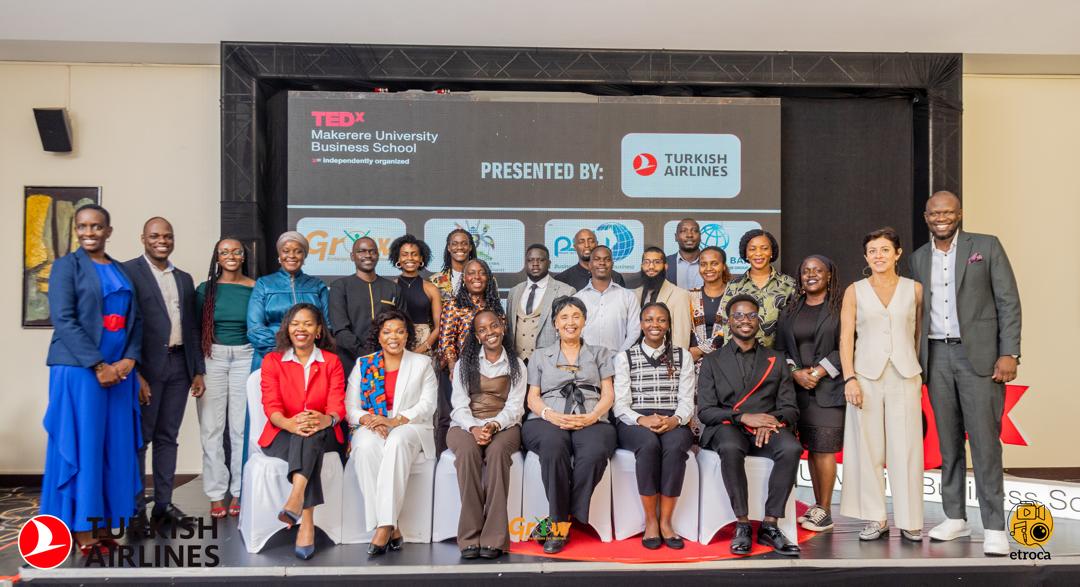
    Maggie Kigozi, (4thL),Director Crown Beverages, poses for a photo with some of the key note speakers and sponsors of the TEDx Makerere Business School

    Roke Telkom’s participation accentuated its commitment to fostering innovation and supporting platforms that elevate local ideas to a global stage, an essential component of the TEDx program. While speaking on their involvement, Doreen Musiimenta, the Human Resources Manager Roke Telkom, highlighted the importance of supporting such a thought-provoking initiative, stating, “We are thrilled to partner with TEDx Makerere University Business School. Events like this are crucial because they bring together bright minds and spark the kind of conversations that lead to real change and development in our society.

    Ideas are the currency of progress, and Roke Telkom is dedicated to ensuring those ideas have the platform and the power to reach their fullest potential.

    “The successful event, presented by Turkish Airlines, brought together a community of curious minds for an experience that mixed inspiration with profound, actionable insights, a hallmark of TED-style events. In the spirit of “ideas worth spreading,”

    TEDx is a program of local, self-organised events that bring people together to share a TED-like experience. These events feature a combination of live speakers and recorded TED Talks videos to spark deep discussion and connection within a community. Additional partners included The GROW Project, the Ministry of Gender, Labour & Social Development, The World Bank, and NSSF Hi-Innovator, among others.

  • Roke Telkom joins the Industry 4.0+ Hackathon Launch as a Partner on the Road to Uganda’s Sovereign Cloud Unveil

    Roke Telkom joins the Industry 4.0+ Hackathon Launch as a Partner on the Road to Uganda’s Sovereign Cloud Unveil

    Kampala: Roke Telkom, a home-grown telecommunications and cloud solutions provider, has today announced its partnership in the industry 4.0+ Hackathon, officially launched by the Science, Technology and Innovation Secretariat in the Office of the President (STI-OP).

    The Hackathon, the first of its kind in the country, will run throughout September and will culminate at the unveiling of Uganda’s Sovereign Cloud Platform (ABQ) on 2nd October 2025.

    The Hackathon is part of Uganda’s ambitious Industry 4.0+ agenda, a national strategy designed to drive the country’s transition into smart manufacturing, deep technology, cloud services, and blockchain-driven solutions.

    While speaking at the launch, David Gonahasa, Team Lead of the Industry 4.0+ Bureau, said, “Industry 4.0+ is about creating the next frontier of Uganda’s industrial revolution. We want to ensure that our young people, researchers, and innovators have the tools and platforms to turn ideas into tangible solutions that drive economic growth.”

    As a partner, Roke Telkom is playing an instrumental role in ensuring that innovators imagine solutions and also have the tools to bring them to life. The company is providing technical support, mentorship, and connectivity that will anchor the Hackathon and create a solid bridge between ideas and real-world deployment.

    “As a Ugandan company, we are proud to be part of the journey towards a digital, innovation-led economy. Our role in the Hackathon, and in powering the upcoming ABQ and Sovereign Cloud unveil, is to ensure that innovators have the infrastructure, secure platforms, and connectivity needed to bring their ideas to life,” said Timothy Mugyenyi, Head of Corporate Partnerships and Impact, Roke Telkom.

    The ABQ, which is scheduled to be unveiled on 2nd October 2025, will provide a blockchain-powered platform that enhances trust, transparency, and accountability across sectors. From government services to enterprise operations and individual digital transactions, ABQ is designed to localize and secure Africa’s digital economy.

    Eric Mugerwa, CTO of ABQ, emphasized its significance, “ABQ is Africa’s opportunity to redefine trust in the digital economy. By localizing blockchain infrastructure here in Uganda, we are ensuring that our data, transactions, and innovations remain secure, verifiable, and under African control.”

    For Roke Telkom, this partnership aligns with its mission of expanding access to cutting-edge digital infrastructure and creating opportunities for Ugandans to harness technology for growth. By supporting the Hackathon, Roke Telkom reaffirms its position at the heart of Uganda’s digital transformation journey of championing innovation, strengthening connectivity, and preparing the country for a future where data sovereignty and local innovation drive progress. This initiative has attracted the support of several partners alongside Roke Telkom, reflecting a growing coalition of stakeholders committed to building digital sovereignty for Uganda and the wider region. Together, the Hackathon, Sovereign Cloud, and ABQ are part of a synchronized strategy to build a resilient, knowledge-driven economy, with Uganda positioning itself as a continental leader in deep technology and digital infrastructure.

    Over the course of the Hackathon, participants will move through mentorship clinics, a 72-hour rapid development sprint, and final pitches before a panel of expert judges. The winners will receive over UGX 46 million in prizes and support, including cash awards, one year of free internet, ABQ cloud hosting credits, and incubation at the Deep Tech Centre of Excellence. By the time ABQ is launched in October, Uganda will already have a pipeline of innovations ready to scale on the new national cloud infrastructure.

  • Why Homegrown Innovation and Strong Networks Are the Backbone of Uganda’s Digital Future

    Why Homegrown Innovation and Strong Networks Are the Backbone of Uganda’s Digital Future

    By Timothy Mugenyi

    Every once in a while, a country arrives at a moment where it must choose, not out of pressure, but out of purpose. I believe Uganda is at such a moment.

    We are witnessing the world change swiftly. Technology is evolving into the new currency of economies, of access, and power. The question we must all grapple with is simple: Will we be consumers of someone else’s innovation, or creators of our digital destiny?
    For me, the answer lies in something deeper than connectivity and devices. It lies in people. In talent. In building systems and infrastructure that allow that talent to thrive, not just in Kampala, but in every corner of this country.

    Digital transformation is about the potential of unlocking what already exists in our communities but has long been held back by a lack of access, resources, or opportunity.
    I believe there are three things we must prioritise. First, we need a strong digital backbone. Without reliable infrastructure, whether it’s internet connectivity, cloud platforms, or data centres, innovation cannot take root. Ideas need highways to travel, and if those highways are broken or missing, then even the most brilliant minds are cut off from possibility. If we want our children to compete in the global economy, if we want small businesses to scale beyond borders, then our networks must be fast, affordable, and available to all.

    Second, we must invest in local innovation. Uganda has no shortage of talent. Young coders are building agricultural apps in Gulu, educators in Mbale are using digital tools to bridge learning gaps, and health workers in Fort Portal are using mobile tech to reach underserved patients. But we need to do more than applaud them; we need to support them, invest in them, and clear the path so their ideas can grow. Innovation needs an ecosystem of funding, mentorship, market access, and policy that encourages risk-taking and rewards creativity.

    Third, and maybe most importantly, we need to be intentional about inclusion. It cannot be that only the urban and the privileged get to be part of the digital economy. Every Ugandan deserves access. Because true transformation happens when everyone moves forward together.

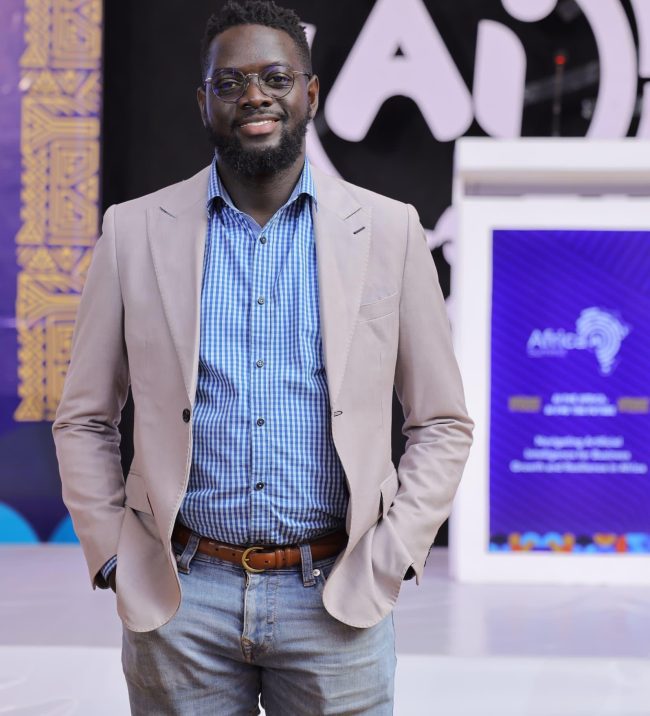
    Timothy Mugenyi Head of Partnerships and Community Impact, Roke Telkom

    These reflections were cemented for me during the 2nd National ICT Summit, where I had the honour of contributing alongside fellow changemakers. In my role at Roke Telkom, I’m often reminded that our job isn’t just to provide infrastructure, it’s to connect dreams, to power possibility, to stand in the gap between vision and reality.

    Uganda’s digital future is already taking shape, and it will only be meaningful if we build it ourselves, with our values, our people, and our needs in mind.

    The work is ours. And the time is now.
    Timothy Mugenyi is the Head of Partnerships and Community Impact at Roke Telkom.

  • Roke Telkom Champions Local Innovation and Infrastructure at the Two-Day 2nd National ICT Summit

    Roke Telkom Champions Local Innovation and Infrastructure at the Two-Day 2nd National ICT Summit

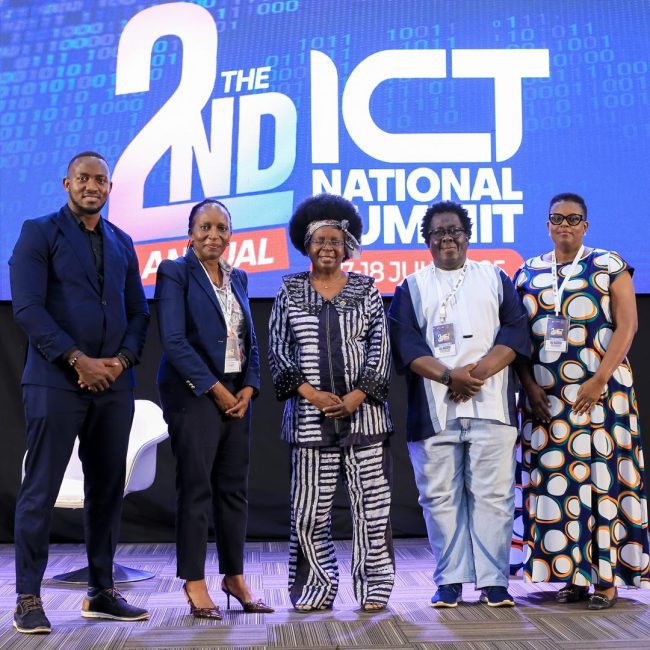
    Kampala:The 2nd National ICT Summit concluded today at the National ICT Innovation Hub in Nakawa, marking the end of a successful two-day gathering focused on scaling Uganda’s digital economy through innovation and inclusion.

    Convened by the ICT Association of Uganda (ICTAU) with support from Roke Telkom and other industry stakeholders, the summit brought together public and private sector leaders, innovators, and development partners to align efforts around Uganda’s digital transformation agenda.

    Day One of the summit had present delegates engaged in a series of thought-provoking panel discussions featuring tech leaders and policy experts. These sessions tackled critical issues at the heart of Uganda’s digital shift, including cybersecurity, artificial intelligence, cloud computing, digital skilling, and the infrastructure powering East Africa’s growing tech economy.

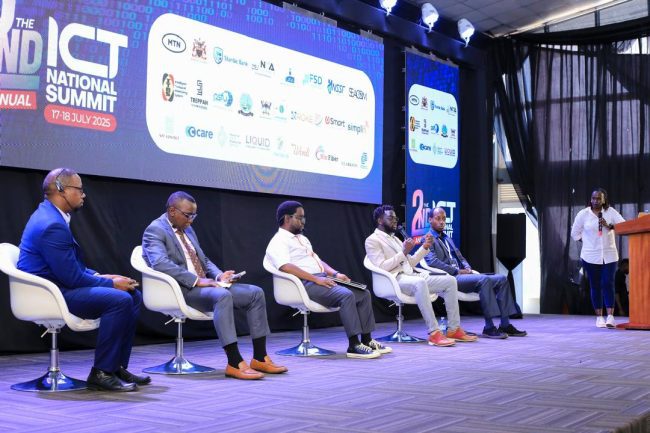
    Timothy Mugenyi Head of Partnerships and Community Impact, Roke telkom moderating the panelists

    There were also speakers like Dr. Aminah Zawedde, Permanent Secretary at the Ministry of ICT and National Guidance, who delivered a keynote address on “The Digital Transformation Roadmap as a National Growth Engine.” She outlined the government’s vision for positioning ICT as a driver of economic development, job creation, and service delivery, urging stakeholders to invest in scalable, inclusive digital infrastructure and solutions.

    The momentum carried into the second day, where focus shifted toward regional cooperation, infrastructure development, and inclusive innovation. A major highlight was a powerful address by Hon. Dr. Monica Musenero, Minister of Science, Technology, and Innovation, who delivered a compelling keynote on the role of digital transformation in national development.

    “Digital transformation is not just a technological shift; it is an economic imperative,” she said. “Our vision is to create a knowledge-based economy, where our people are producers of innovation, not just consumers. We must foster a digitally skilled population, support local innovators, and ensure that no one is left behind as we build Uganda’s place in the global digital economy,” she added.

    Roke Telkom, Uganda’s leading home-grown telecommunications provider, reaffirmed its commitment to enabling this vision by investing in digital infrastructure and supporting emerging innovations. Timothy Mugenyi, Head of Partnerships and Community Impact at Roke Telkom, represented the company as a panellist in one of the summit’s most dynamic discussions titled, “Unlocking East Africa’s Digital Economy in Trade, Innovation, and Inclusive Digital Transformation.”

    Minister of ICT with ICTAU board members

    The session also featured a distinguished lineup of panellists, including:
    Michael Mukasa, CEO, Liquid Intelligent Technologies
    Tindomweba Brian, Head of IT Operations and Infrastructure, Stanbic Bank
    Collin Babirukamu, Executive Director IT, Bank of Uganda
    Bob Atuhaire Norman, Manager, Technology and Innovation, Clarkson Insurance Brokers
    The conversation explored the critical building blocks for East Africa’s digital economy, including regional interoperability, data governance, fintech growth, and inclusive access to infrastructure.
    Reflecting on the topic, Mugenyi emphasised the shift from traditional systems to digital-first models.“So in summary, we are shifting the value creation from the traditional economy, which we have known, to the digital economy,” he said.
    “We are proud to support this shift by providing reliable infrastructure and platforms like Roke Cloud, which empower innovators to scale impactful solutions faster and more affordably.” He added
    Through initiatives like Roke Cloud, the company is enabling innovators and entrepreneurs in key sectors such as AgriTech, HealthTech, EduTech, IoT, and BPO to bring solutions to market, contributing to Uganda’s Digital Transformation Roadmap (2023/24–2027/28) and Vision 2040.
    As the summit closed, there was a strong sense of unity and shared purpose among participants. Leaders from across sectors agreed on the need to work more collaboratively, combining resources, expertise, and innovation to accelerate digital progress, dismantle barriers to access, nurture local talent, and champion homegrown solutions that will shape an inclusive, resilient, and globally competitive digital economy that leaves no Ugandan behind.