Tag: Dr. Okello Sharon Nagenjwa

  • WHY MEASUREMENT IS THE NEW PROTEST

    WHY MEASUREMENT IS THE NEW PROTEST

    By Dr Okello Sharon Nagenjwa
    Girl from Oyam

    Protests used to involve placards.
    Now it’s spreadsheets. Once upon a time, resistance was loud. You blocked roads, shouted slogans, sang until your voice cracked, and went home convinced something historic had happened.

    Then the electricity bill arrived.
    Unmoved. Unimpressed. Unpaid.

    In 2025, Uganda quietly discovered a more dangerous form of protest: Counting.

    Noise is cheap. Numbers are rebellious.

    Noise costs nothing. Numbers demand discipline.

    You can shout all year and still import toothpaste made from your own raw materials. You can trend for weeks and still export beans only to buy coffee back at triple the price, now wearing a foreign accent.

    Measurement interrupts that comfort.

    Once you count, you cannot lie politely.

    Why measurement scares people

    Measurement is rude.

    It walks into beautifully decorated programs and asks:
    •How many?
    •How much?
    •Compared to when?
    •Sustained for how long?
    •At whose cost?

    Measurement does not clap at launch events.
    It waits six months and checks if the project is still breathing.

    That’s why people prefer storytelling. Stories are forgiving. Numbers are not.

    Stories say:

    “We empowered the youth.”

    Numbers ask:

    Which youth? Doing what? Earning how much? Still employed? Or just emotionally motivated?

    The awkwardness:

    The moment Uganda grew teeth

    Something changed when Uganda started tolerating these questions without calling them “negative.”

    Instead of:

    “Support us, we mean well.”

    The question became:

    “Show us what moved.”

    Instead of:

    “This initiative touched lives.”

    The follow-up became:

    “Which lives, and are they still touched after funding ended?”

    That is not cynicism.
    That is adulthood.

    Factories are not romantic and that’s the point

    Factories don’t inspire speeches but overtime.

    They don’t trend but hum.

    They don’t care who is in power but who shows up at 7 a.m.

    Uganda’s slow pivot toward value addition, production, and systems did not come with fireworks. It came with:
    •logistics headaches
    •power bills
    •supply-chain arguments
    •uncomfortable audits

    In other words: real work.

    And nothing offends performative development like real work.

    Why counting is political (whether we admit it or not)

    When citizens count, they stop begging.

    They stop saying:

    “Please help us.”

    And start saying:

    “This doesn’t add up.”

    That sentence has ended more nonsense than riots ever did.

    Measurement exposes:
    •ghost programs
    •inflated success stories
    •projects that survive only during inspection visits

    It forces leaders, institutions, and systems to confront reality without makeup.

    That is why measurement is disruptive.
    It removes plausible deniability.

    This is why some people hate data

    Data has no respect for hierarchy.

    It doesn’t care who you are but what happened.

    You can be:
    powerful and inefficient.
    loud and ineffective.
    loved and still wrong.

    Numbers will still sit there, unmoved, waiting for explanation.

    That silence is terrifying.

    Uganda’s quiet rebellion

    Uganda’s most radical act recently has not been anger.
    It has been curiosity.

    Curiosity that asks:
    •Why are we still exporting raw materials?
    •Why does every success story end at “pilot phase”?
    •Why do we launch more than we finish?
    These are not opposition questions.
    They are survival questions.
    The new protester doesn’t shout
    The new protester:
    •tracks delivery timelines
    •compares outputs to budgets
    •asks what remains after applause
    •reads reports instead of banners

    They are calm, annoying and effective.

    They don’t chant. They audit.

    You can silence a chant. You cannot silence arithmetic.

    You can out-sing a crowd.
    You cannot out-run a balance sheet.
    This is why measurement is the new protest.
    Because once people learn to count,
    they stop being impressed by noise.

    And countries that stop being impressed by noise eventually start building things that last.
  • Use this Christmas season to renew commitment to value addition & practical wealth creation says Gen. Salim Saleh

    Use this Christmas season to renew commitment to value addition & practical wealth creation says Gen. Salim Saleh

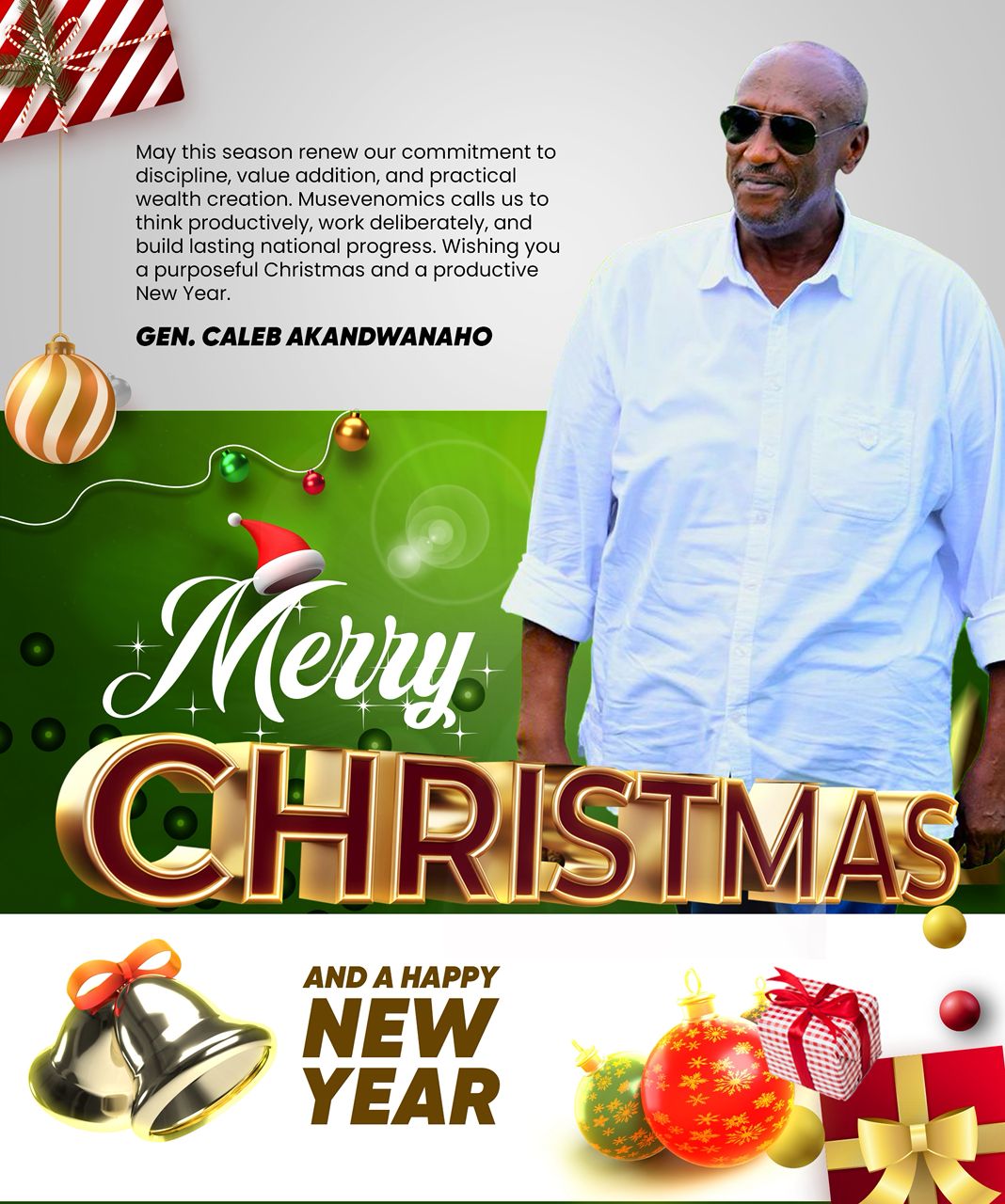
    In his Christmas message, Gen. Caleb Akandwanaho aka Salim Saleh has called on the public to use this Christmas to renew commitment to value addition and practical wealth creation.

    He called on Musevenomics to think productively this Christmas, work deliberately and build lasting national progress.

    “May this season renew our commitment to discipline, value addition & practical wealth creation. Musevenomics calls us to think productively, work deliberately, & build lasting national progress.Wishing you a purposeful Christmas and a productive New Year,’ Gen Caleb Akandwanaho.

  • 2026 Updates: Dr. Okello Urges Arua Youth to Protect Peace, Stability, and Their Vote

    2026 Updates: Dr. Okello Urges Arua Youth to Protect Peace, Stability, and Their Vote

    Arua: Addressing youth at the Heart to Harvest lecture in Arua, Dr. Okello Sharon Nagenjwa delivered a candid message on civic responsibility, stability, and the cost of political experimentation.

    Dr. Okello reminded participants that peace and stability are economic assets often taken for granted. “First smell the peace in your district,” she told the youth, describing West Nile as feeling “like a country of its own” due to stability and economic activity. She noted that higher living costs in the region reflect increased money circulation, not failure.

    Drawing from Uganda’s development history, she urged youth not to waste their vote, arguing that abandoning stability risks reversing hard-won gains such as Universal Primary Education (UPE) and long-term security. “When you vote without strategy, you don’t punish leaders—you punish yourselves,” she said.

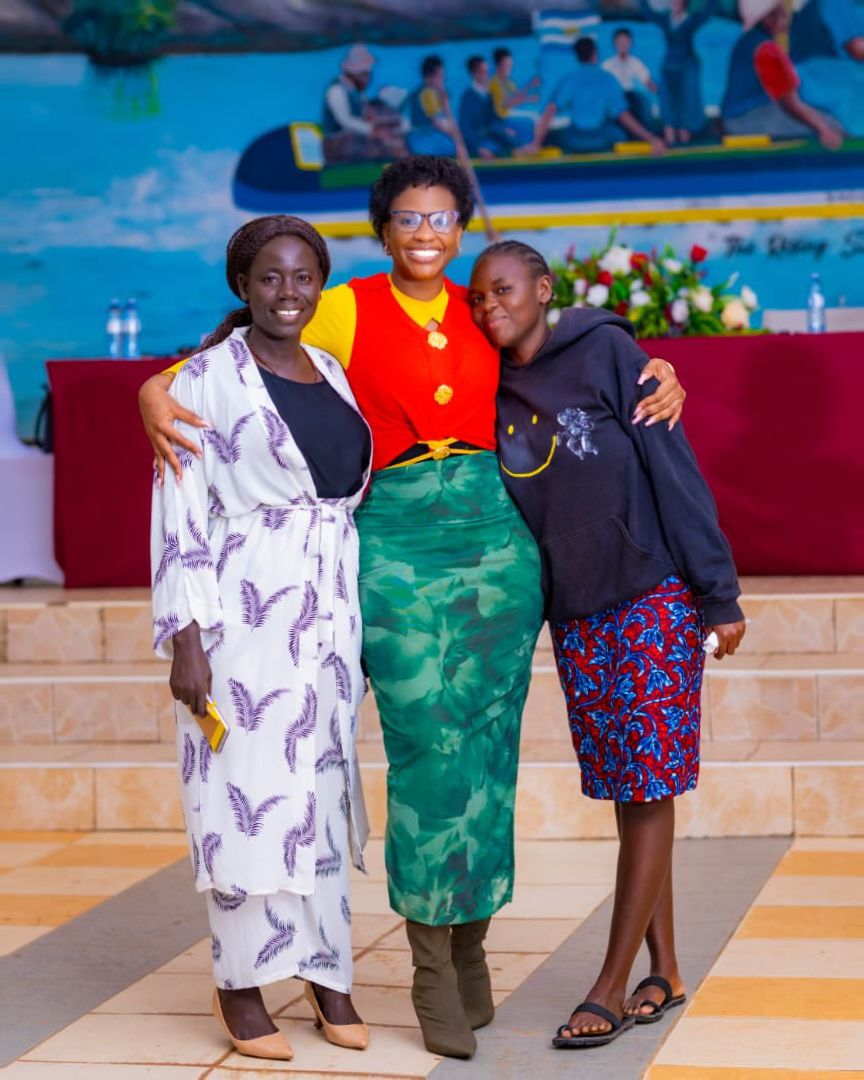
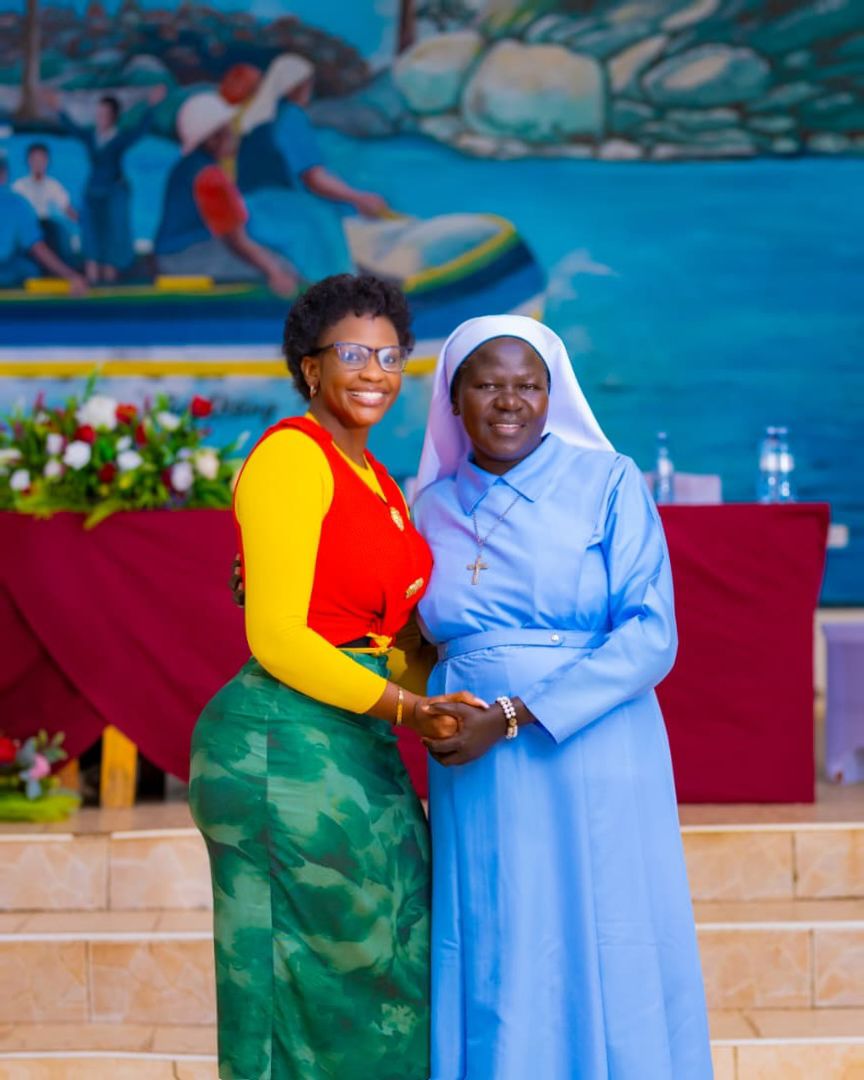
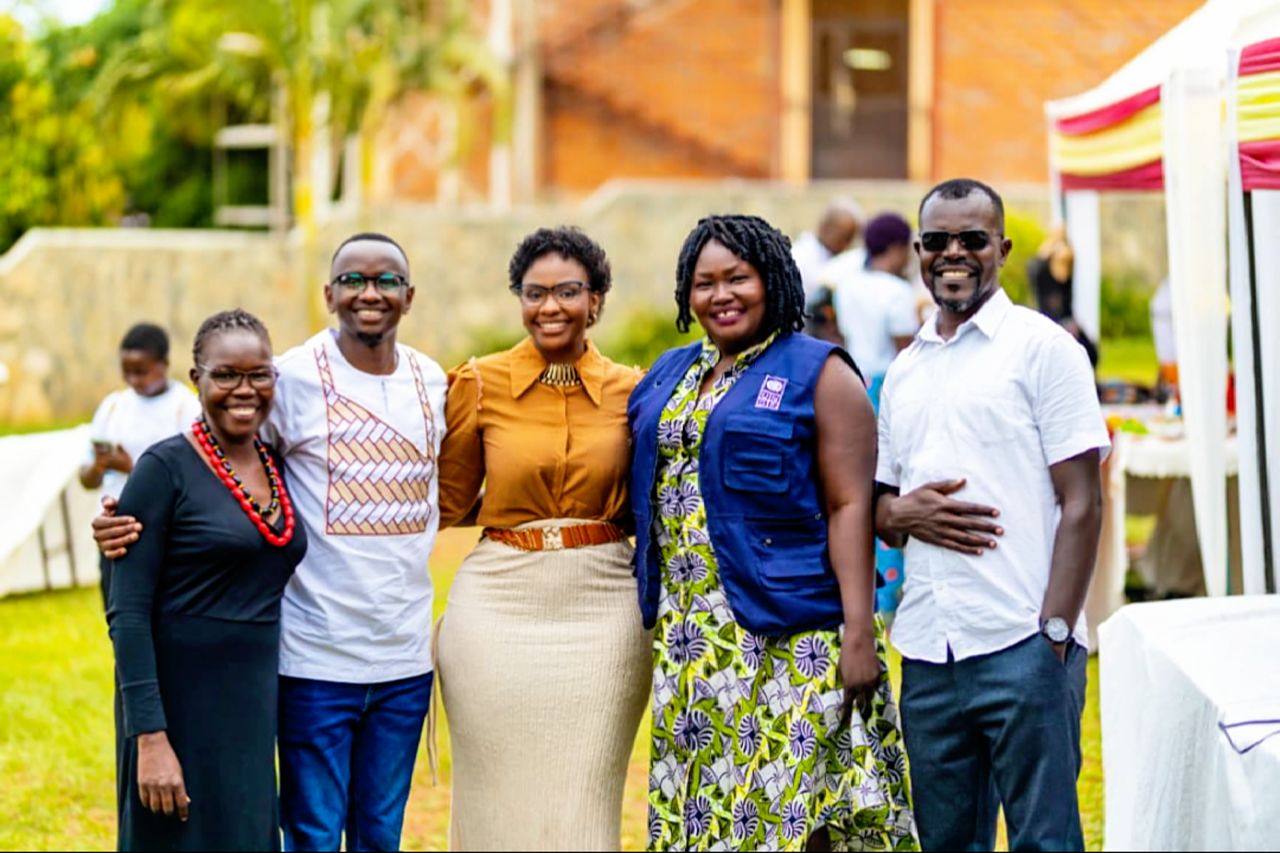
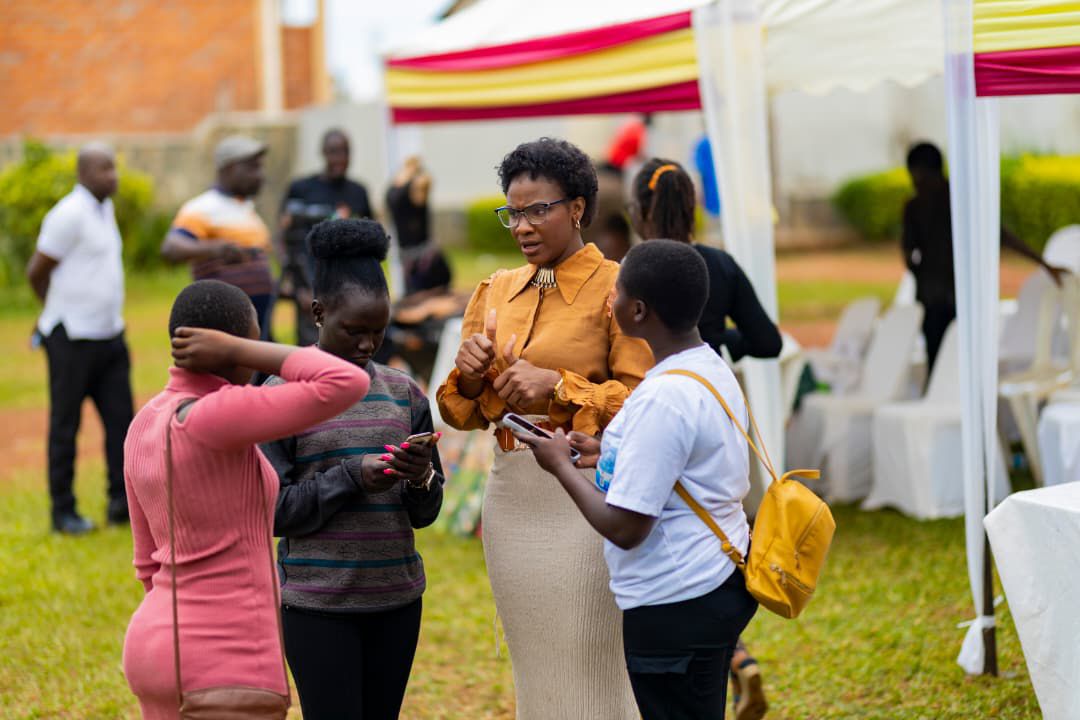
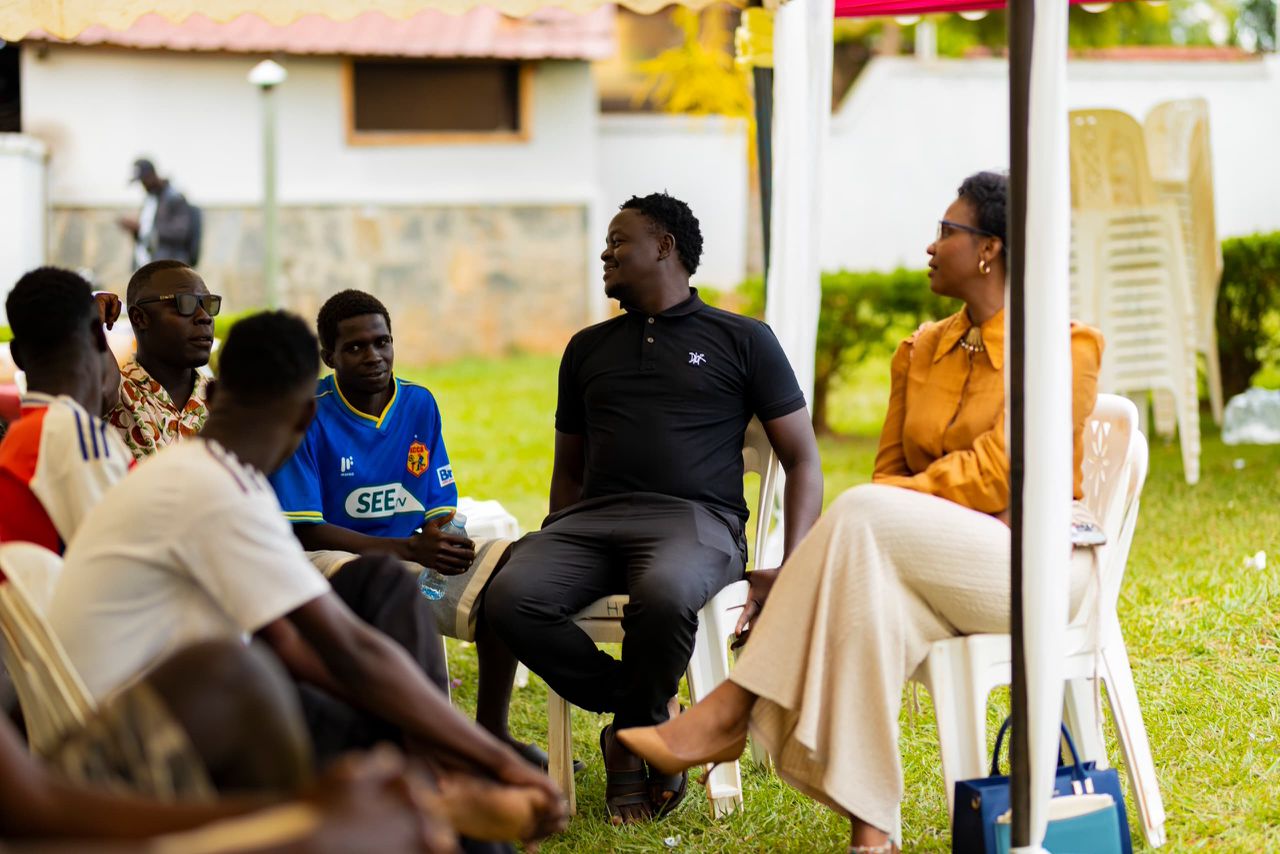
    Dr Okello Sharon Nagenjwa aka Girl From Oyam with youth in Arua

    She openly stated her support for President Yoweri Museveni, describing him as the current custodian of peace and economic continuity. “Whether you like it or not, he is already a winner,” she said, cautioning youth against symbolic voting that does not translate into governance outcomes.

    Her message emphasized that economic participation, peace, and political choices are deeply interconnected, and that young people must think beyond protest to long-term national consequences.

  • Heart to Harvest shows Arua Youth how to make Money Without Capital

    Heart to Harvest shows Arua Youth how to make Money Without Capital

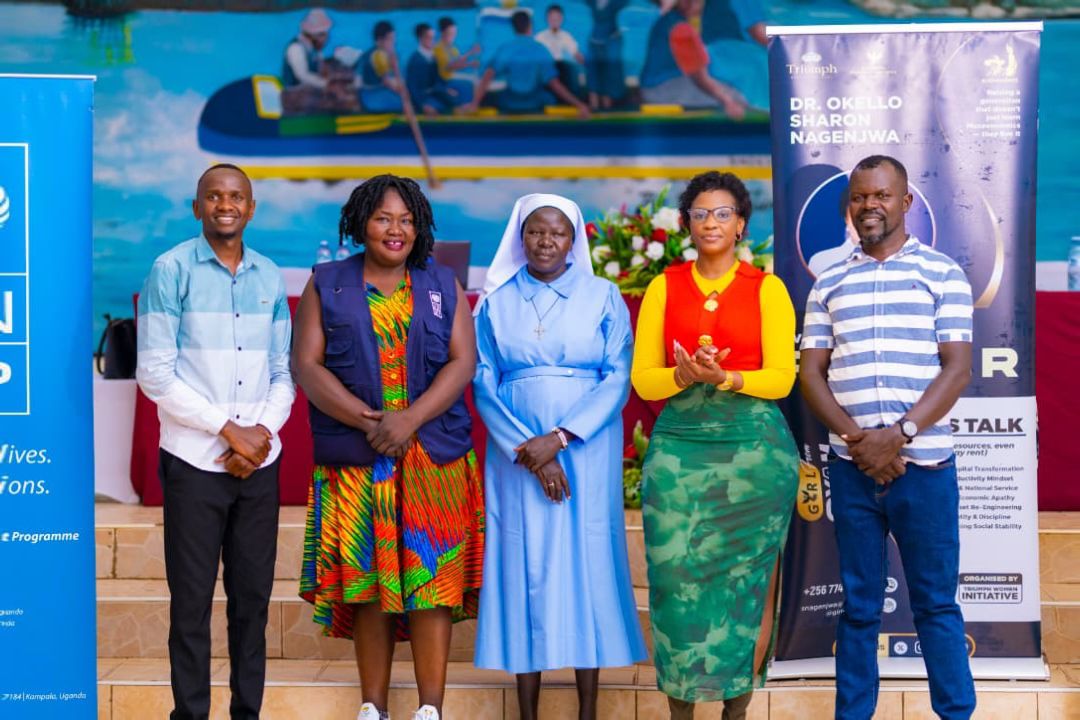
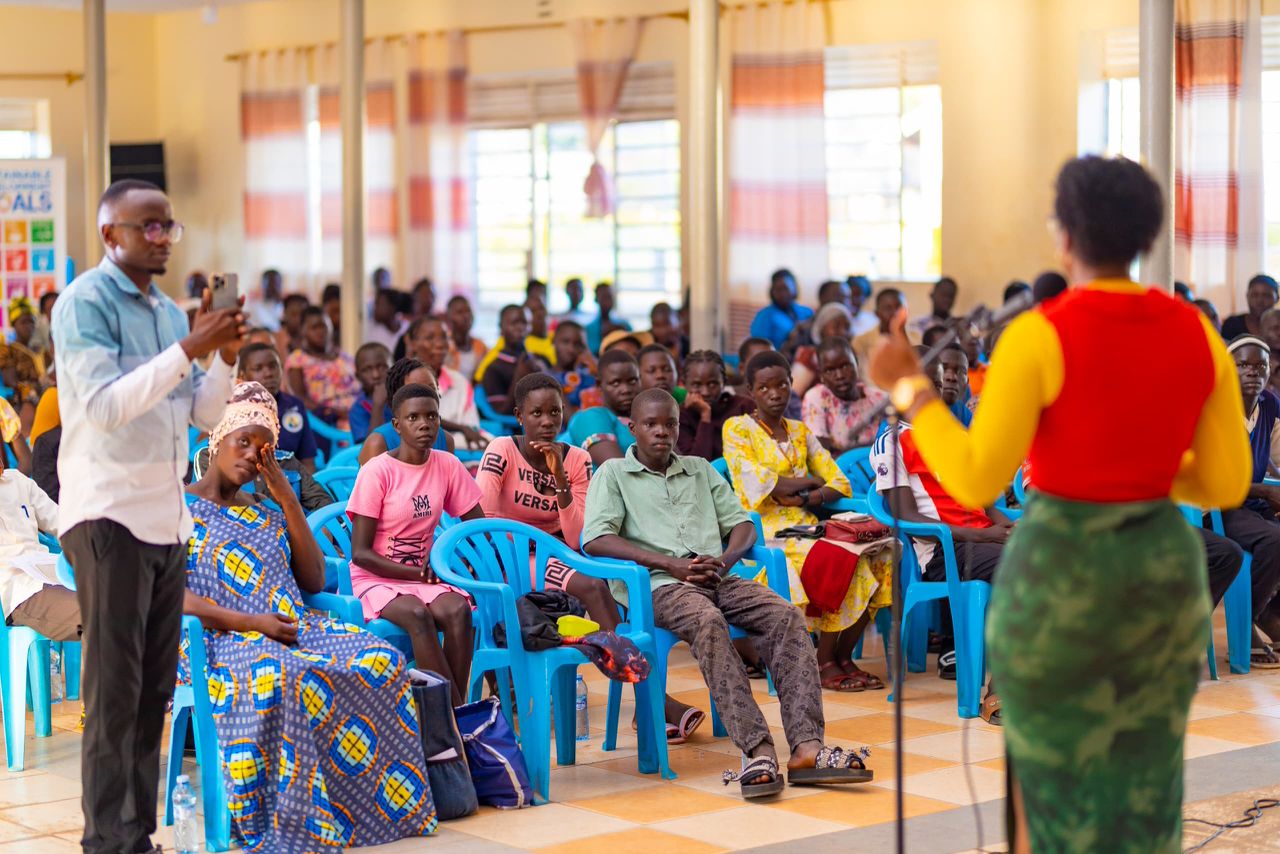
    Arua: Over 1,000 young people gathered in Arua for the Heart to Harvest economic lecture, where practical demonstrations replaced theory in teaching how youth can earn income without starting capital.

    Supported by UNDP, the sessions focused on value addition, branding, and market access rather than production alone. Youth were taken through hands-on examples using common regional products such as honey, dried fish (nanyang), branding services, and property packaging, showing how income can be generated beyond farming.

    The programme emphasized leveraging Arua’s strategic position near the Democratic Republic of Congo, highlighting cross-border trade opportunities through improved packaging, storytelling, and digital marketing. Participants explored how phones and digital platforms can function as storefronts, enabling youth to reach markets without heavy infrastructure.

    UNDP representative Florence Ochola stressed that learning must translate into action, insisting on practical application over motivation. She directly questioned youth on what value they planned to add and confirmed plans to return for follow-up engagements. Many participants pledged to serve as case studies, allowing their progress to be tracked through an ongoing national database.

    Adding a human dimension to the economics, speakers including Dr. Okello Sharon Nagenjwa and entrepreneur Sedrick Otolo shared personal journeys of turning adversity into opportunity. Their stories reinforced the programme’s core lesson: that mindset, discipline, and access to markets can unlock income even where capital is absent.

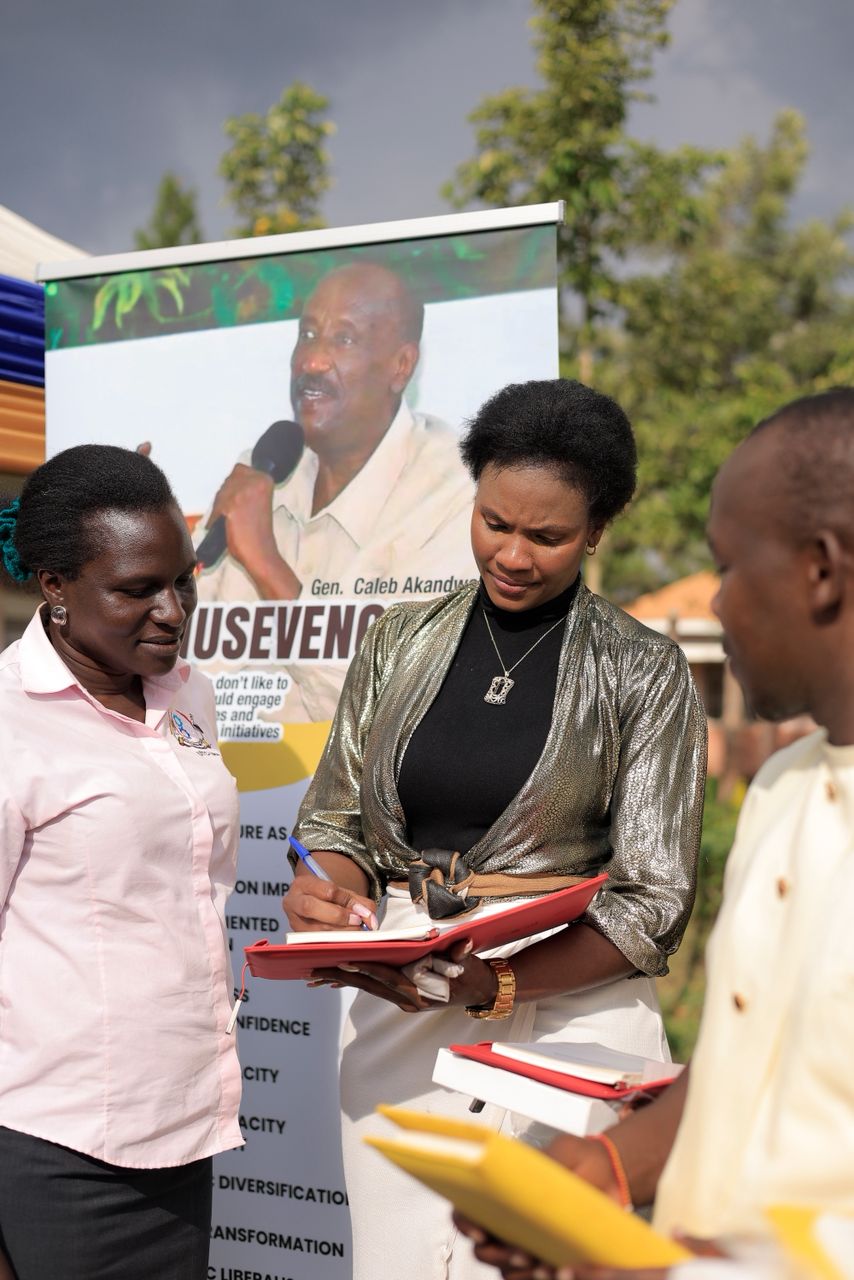
    Dr. Okello Sharon Nagenjwa aka Girl From Oyam addressing youth in Arua

    The initiative directly supports SDG 8 (Decent Work and Economic Growth) and SDG 4 (Quality Education) by integrating mindset, skills, and market access into a single pathway for youth economic participation.

  • From Orphans to Nation Builders: Heart to Harvest shows Youth what is possible

    From Orphans to Nation Builders: Heart to Harvest shows Youth what is possible

    Arua: One of the most powerful moments at the Heart to Harvest lecture in Arua came not from theory, but from lived experience, as leaders who were orphaned at a young age teamed up to demonstrate that background does not determine destiny.

    Dr. Okello Sharon Nagenjwa and entrepreneur Sedrick Otolo, both orphaned as toddlers, stood before over 1,000 young people to offer living proof that it is possible to rise from loss to leadership through discipline, mindset, and purposeful action.

    Otolo, founder of Kakebe and a partner in the Heart to Harvest initiative, openly acknowledged Dr. Okello as his mentor. He described her as someone who consistently challenges him to “sow higher,” noting that he was honored to be included in what he called a noble cause. “I have never seen someone as passionate about making a difference like Sharon,” Otolo said. “She will give her last coin to help someone and remain with nothing, knowing she still has a head that will bring money back.”

    Dr. Okello Sharon Nagenjwa addressing youth in Arua

    Otolo shared his own journey, including writing a book to pay school fees—an act he described as turning hardship into enterprise. His testimony reinforced the programme’s central message: that value can be created even in the absence of capital.

    Dr. Okello complemented this by sharing her personal story of becoming an orphan early in life. She recounted how, at just five years old, she sang in church and, barely two weeks after her father’s death, earned an opportunity that paid her school fees. She described this as the first time she “made money without money”—a principle she later recognized as a simple but powerful economic truth reflected in Musevenomics.

    Together, their stories reframed orphanhood not as a limitation, but as a starting point for resilience, creativity, and economic agency. The session deeply resonated with participants, many of whom described it as the first time they had seen people “who look like us” standing as evidence of what is possible.

  • “No More Borrowed War”: Okello Sharon Challenges Acholi Youth to Trade Anger for Strategy

    “No More Borrowed War”: Okello Sharon Challenges Acholi Youth to Trade Anger for Strategy

    Gulu: In a speech that blended history, humor, and hard truth, Dr. Okello Sharon Nagenjwa challenged Acholi youth to reject political violence and redirect their energy into economic productivity, declaring that “what killed our fathers will kill us too if we invite it back.”

    Addressing the region’s long history of conflict, Okello urged young people to stop recycling trauma, saying, “No one goes back to Egypt to look for those who enslaved them. No one goes to Israel to hunt those who killed Jesus. We move forward—to Canaan.”

    She cautioned against what she termed the “Joseph Kony pity party,” arguing that glorifying pain or living permanently in grievance only delays progress. “Eating vomit does not make you strong,” she said. “Fresh food comes from fresh thinking and money-generating activity.”

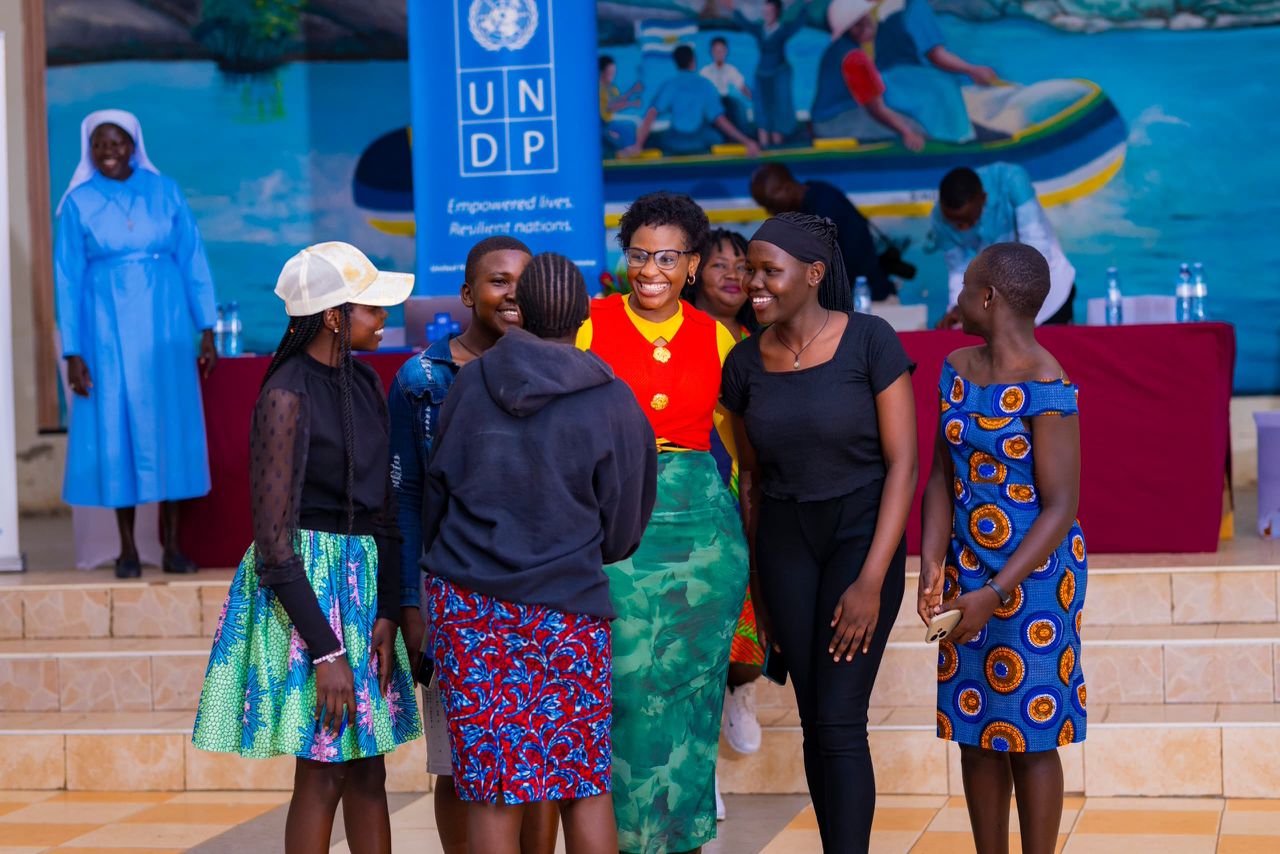
    Dr Okello Sharon Nagenjwa with some youth from Northern Uganda

    The address emphasized democratic engagement, peaceful civic action, and economic discipline, warning youth against being used as tools in violent political agendas. “Violence gives you power for one afternoon and takes your future for ten years,” she noted.

    Okello connected peace directly to economics, arguing that restraint without opportunity eventually turns back into rage. She called on youth to channel their energy into enterprise, sales, digital innovation, and value addition—particularly in sectors like coffee where production already exists.

    Her message resonated strongly with participants, many of whom described the session as confronting but empowering, reframing peace not as silence, but as productive strategy.

  • Okello Sharon Nagenjwa shows Acholi Youth How to Make Money Without Money

    Okello Sharon Nagenjwa shows Acholi Youth How to Make Money Without Money

    Gulu: Youth in Northern Uganda were taken through a rare, practical lesson in wealth creation as Dr. Okello Sharon Nagenjwa, known as girl from Oyam, founder of Triumph Women Initiative and CEO of Nuwebiz foundation leading the Heart before the Harvest initiative, delivered a powerful lecture on turning discipline, creativity, and markets into income—without starting capital.

    In a session that held attention without applause, Okello broke down a step-by-step approach to what she described as “making money without money,” comparing Marxist theory, Karl Marx’s labor framework, and Musevenomics. She argued that while earlier economic theories explained labor and class, Musevenomics is “fully stocked with everything needed to transition Uganda into a money economy—value addition, markets, discipline, and mindset.”

    Using coffee as a case study, Okello demonstrated how wealth today is created not merely from production, but from identity, branding, storytelling, and distribution. She walked youth through the journey “from farm to cup,” emphasizing that selling coffee is not about beans alone, but about telling the story of the silent heroes behind the product.

    “Youth do not need to own land to earn from coffee,” she explained. “They need credibility, digital skills, and access to markets.”

    Okello credited her curiosity about Musevenomics to a brief encounter with Gen. Salim Saleh, which pushed her to research the framework further—an effort she described as “discovering a jackpot.”

    The lecture was supported by UNDP, aligning with Sustainable Development Goals including SDG 8 (Decent Work and Economic Growth), SDG 4 (Quality Education), and SDG 9 (Industry, Innovation, and Infrastructure), particularly through its emphasis on economic integrity, youth employment, and value addition.

  • Musevenomics is Humanity: Dr. Okello Sharon Nagenjwa inspires Ebenezer University students with a new economic mindset

    Musevenomics is Humanity: Dr. Okello Sharon Nagenjwa inspires Ebenezer University students with a new economic mindset

    Wildlife Conservationist, entrepreneur, and founder of the Triumph Women Initiative and Nuwebiz Foundation, Dr. Sharon Okello Sharon Ngenjwa who describes herself as ‘The Girl From Oyam’, has unveiled a nationwide youth empowerment drive aimed at simplifying the concept of Musevenomics and shaping it into a relatable, human-centered doctrine for young people.

    Speaking during an economic empowerment lecture hosted at Ebenezer University in Lira, Dr. Okello said her goal is to transform Musevenomics, often perceived as highly technical into a practical philosophy that young Ugandans can live by every day.

    “For me, Musevenomics is humanity. It is a whole human body,” she said. “It starts from the heart—integrity, customer care, skills—and goes all the way to the harvest, which is money. That’s why the project is called The Heart before the Harvest.”

    Dr. Okello Sharon Nagenjwa speaking at Ebenezer University in Lira

    Dr. Okello explained that her journey toward this project began after an encounter with Gen. Caleb Akandwanaho (Salim Saleh), who challenged her understanding of industrialization and value addition in Uganda.

    The experience pushed her to investigate why many Ugandans are unaware of the progress already achieved in industrialization and why the real bottleneck is now finding markets not factories.

    Realizing that many youths find economic concepts intimidating, she decided to translate Musevenomics into a relatable life doctrine.

    “It is not politics. It is not economics. It is our life,” she emphasized. “We wake up, we breathe, we work—and that is economics. You don’t always need cash capital. Skills are capital.”

    Dr. Okello shared how she started her own initiative by transforming personal pain into a powerful brand Triumph Women Initiative, which documents stories of women overcoming adversity. By packaging and digitalizing those stories, she created value, partners, and income.

    The campaign is focusing on university students whom s Dr. Okello describes as the most strategic agents of change.

    “University students will become ambassadors,” she said. “When they go home for holidays, they will take Musevenomics to their villages. Before you know it, the grassroots will understand it.”

    She emphasized that the movement is not funded by any political entity.

    “No coin has been given to me. I fell in love with this doctrine, and when I love, I love deeply. I want people to understand it because it works.”

    Sedric Otolo, Director of Kakebe Technologies and co-organizer of the lecture, said Musevenomics offers a practical approach for Uganda’s business community.

    “It’s not about politics. It’s about ideas that help our country,” Otolo said. “Young entrepreneurs need this mindset if we are to break away from the old ways of doing business.”

    He also encouraged students to embrace business education regardless of their courses.

    “Whether you study medicine or IT, business is part of life. Economics and ICT should be compulsory.”

    Kabejja Dorcus, a medical student at Lira University and one of the program’s standout trainees, said Musevenomics opened her eyes to the critical role of skills in navigating today’s competitive job market.

    “A skill can save a human,” she said. “We need training in creativity and innovation so we can survive even when jobs are not there.”

    Dr. Joseph Esiana, Academic Registrar of Ebenezer University, said hosting the lecture aligned perfectly with the institution’s commitment to innovation and excellence.

    “More than a thousand young people attended. They have been equipped with practical skills in creativity, innovation, and business incubation,” he said.

    “Musevenomics is the way to go for socio-economic transformation.”

    He recommended that organizers make the program annual and support promising student ideas with seed capital.

    Dr. Sharon Okello notes that her goal is to inspire a new generation to understand economics as a lifestyle and to use their skills, discipline, and humanity to build wealth.

    “I work for people. And in the process, I benefit,” she said. “Young people must move from subsistence to the money economy. And this doctrine—when understood well—will take them there.”

    The initiative is expected to roll out to more universities and institutions across Uganda in the coming months, with plans to build a nationwide network of youth ambassadors for economic transformation.

    “12 institutions , 1600 students, I funded it, I love Musevenomics and I feel the urge to help everyone understand it because it’s more than an economics document, it’s a human doctrine that earns you money,” Dr. Okello Sharon Nagenjwa concluded.

  • Opinion: Saleh Limited — Where Humility Manufactures Greatness

    Opinion: Saleh Limited — Where Humility Manufactures Greatness

    By Dr. Okello Sharon Nagenjwa, Girl from Oyam

    You will find him saluting a comedian pretending to be his brother, not because he’s confused, but because he’s confirmed.

    You’ll also find some people, after touching small small money, washing their mother’s hands before greeting her, forgetting the unpleasant scenery and the ingredients involved in the route used for their birth.

    We have a big problem. We live in a generation that would rather gossip about greatness than learn from it.
    If studying character feels like worshipping idols to you, maybe mediocrity has been your real religion.

    Gen. Saleh, lived with farmers in Gulu, jammed with musicians in ghettos, and built industries in Kapeeka, where over 30 factories now hum harder than Kampala traffic at rush hour. (If you haven’t yet, Google it, I didn’t come to trigger NUGU (jealousy).

    Gen. Salim Saleh

    This is the same man who told OWC officers in 2025 that agriculture must move from subsistence to substance and yes, the numbers are real: 72% of Ugandans are in agriculture, 32% of GDP sits there, and 90% of those people still think “value addition” means adding salt to cassava.

    Even I got my shocker. I went there confidently pitching my “raw material” proposals, and let me tell you , Kapeeka didn’t just reject them, it laughed in my face.
    That’s when I learned the new national language: Value Addition or Go Home because in Kapeeka, you don’t present ideas, you present products.

    People confuse him for quiet. But quiet people aren’t weak they’re just too busy producing results while others are producing gossip.

    So before you mock a salute between humility and humor, remember this: some people rule departments, others rule destinies.

    If humility had a factory, it would be in Kapeeka and its brand name would be “Saleh Limited.”

    Dr. Okello Sharon Nagenjwa, Girl From Oyam