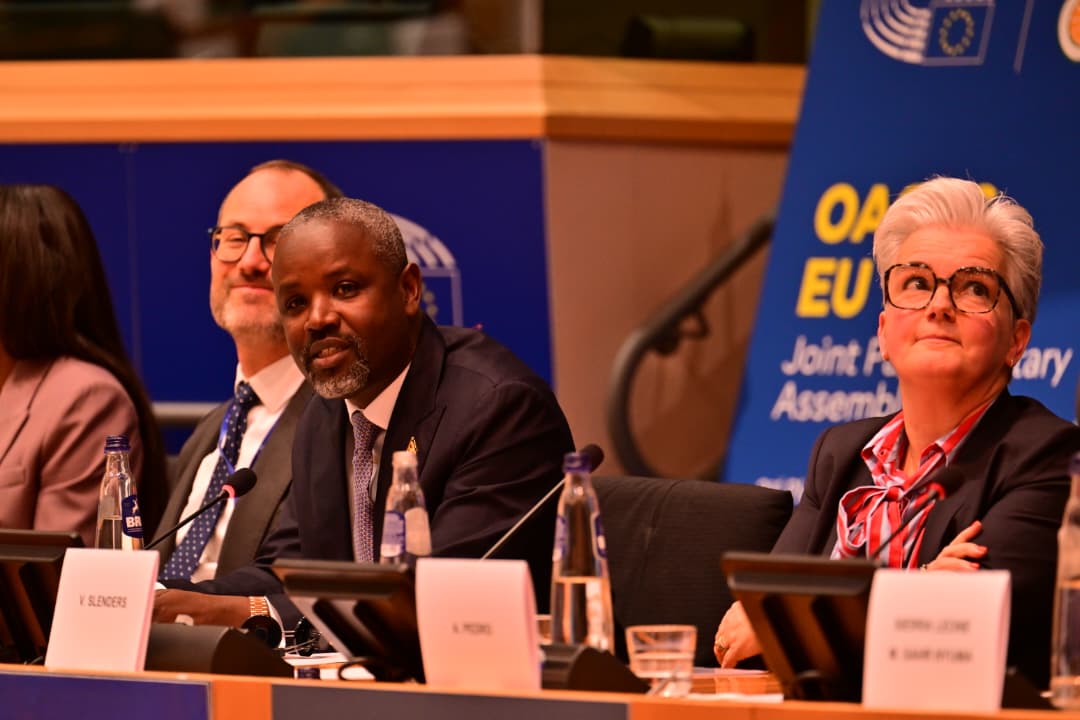
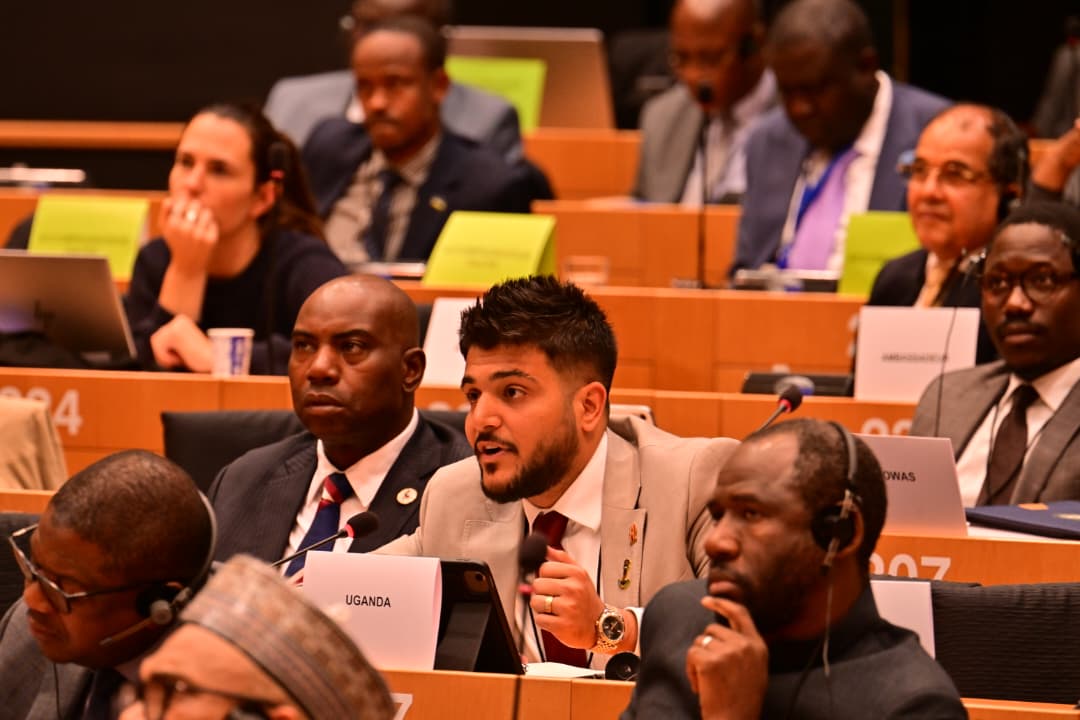
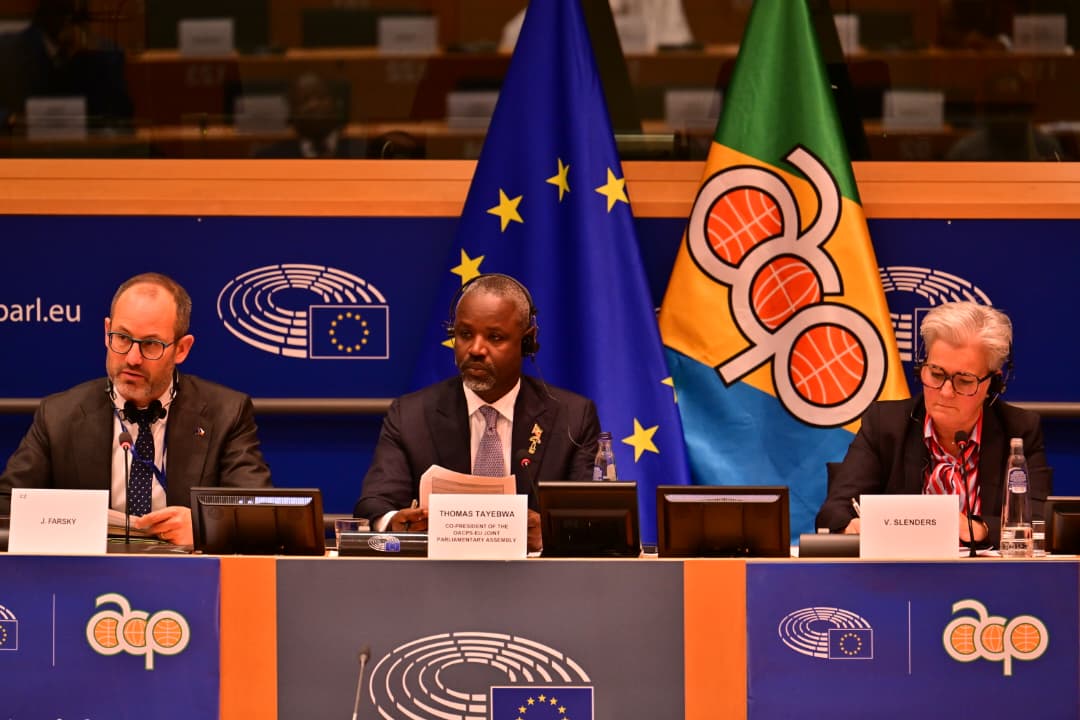
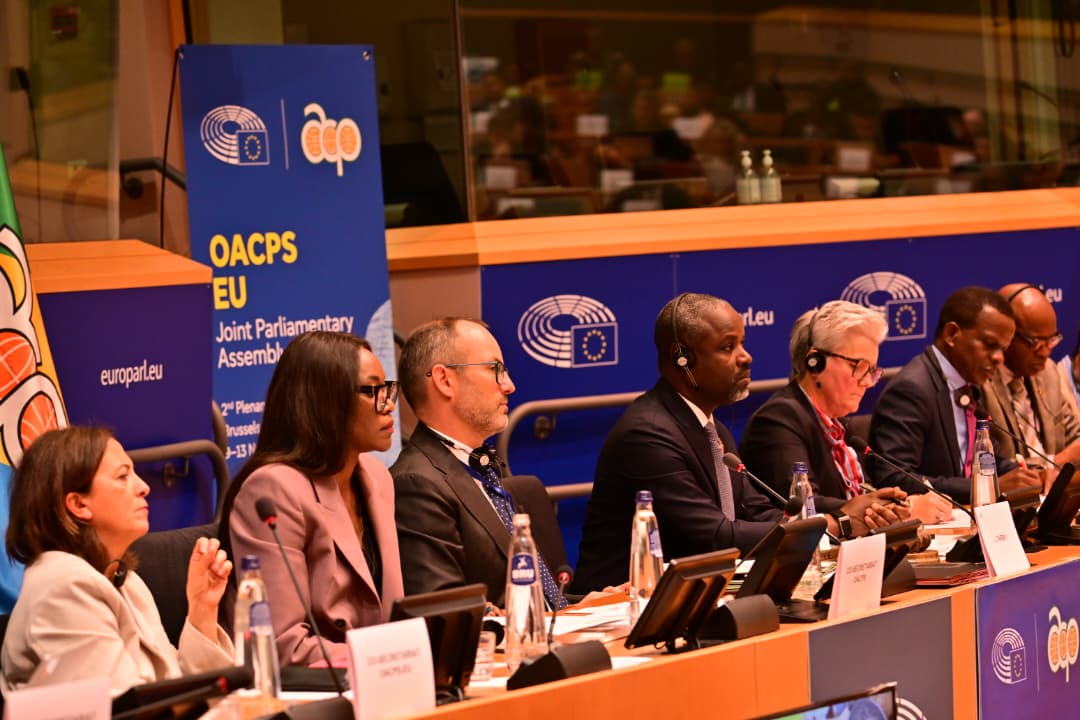
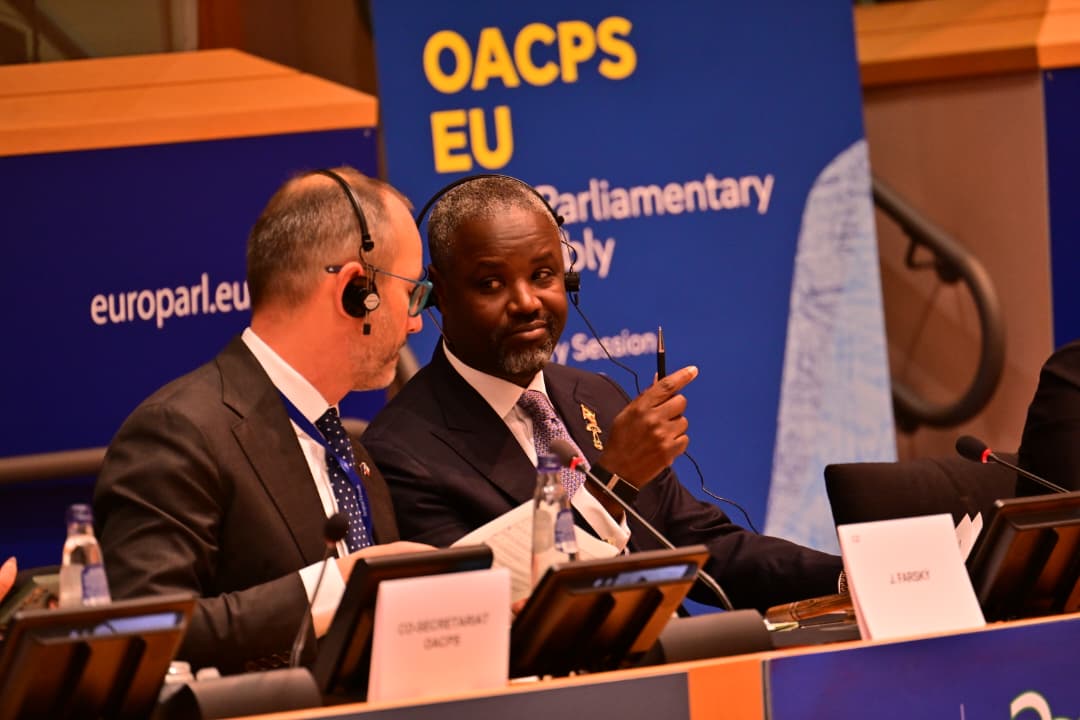
Co- President of the Organisation of African, Caribbean and Pacific States-European Union Joint Parliamentary Assembly and Deputy Speaker of Parliament Rt. Hon. Thomas Tayebwa has chaired a session on the ongoing OACPS-EU Joint Parliamentary Assembly in Brussels, on building a mutually beneficial partnership in the critical raw materials sector among OACPS-EU countries. Below are key points from Rt. Hon. Tayebwa’s speech.
Critical minerals present a major economic opportunity for OACPS countries. The growing global demand for critical raw materials offers member countries an opportunity to expand industrial production and strengthen their economies.
OACPS countries are significant contributors to global mineral production. The Democratic Republic of Congo accounted for an estimated 73% of the world’s mined cobalt in 2015, according to the US Geological Survey. Other countries, including Sierra Leone, Uganda, Burundi, Malawi, Côte d’Ivoire and Nigeria, also have important mineral resources.
Countries must move beyond exporting raw materials. Mineral-producing countries should secure opportunities to establish local processing industries, create skilled employment and support domestic businesses.
Africa, the Caribbean and the Pacific have shared interests. Mineral production and processing, environmental protection and sustainable management of natural resources should feature prominently in wider OACPS-EU cooperation.
Investment in critical minerals is declining despite growing global demand. The International Energy Agency reported a 9% decline in global critical mineral investment in 2025, highlighting the need for deliberate efforts to attract financing.
Infrastructure and skills are essential for mineral processing. Developing viable industries requires reliable energy, transport infrastructure, skilled workers and access to finance.
Partnerships must deliver tangible benefits to local communities. The benefits should be reflected in jobs, contracts for local businesses and revenues invested in public services.
Parliamentarians must ensure accountability and transparency. Legislators have a responsibility to scrutinise agreements, monitor implementation, examine public costs, protect workers’ rights and the environment, and ensure transparent management of mineral revenues.
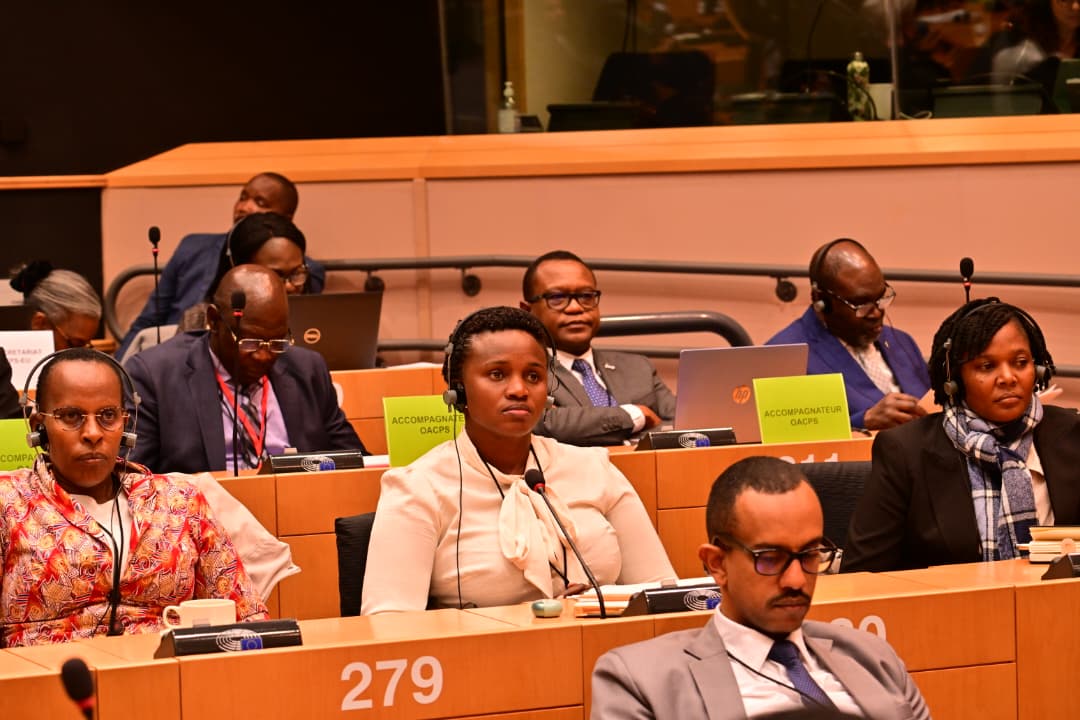
Parliamentary cooperation should strengthen oversight. The Africa-EU Working Group and the OACPS-EU Working Group on Critical Raw Materials provide platforms for sustained engagement and follow-up on commitments.
Tororo Municipality Member of Parliament, Hon. Shyam J.Tanna challenged European Union partners to support Africa’s ambition to add value to its mineral resources rather than continue exporting raw materials.
Tanna emphasised that while skills development and infrastructure remain important, value addition must be a central priority in Africa’s development agenda.
“We sleep on diamonds but wake up in poverty,” he remarked, highlighting the contradiction between Africa’s vast mineral wealth and the limited economic benefits many African countries derive from it.
Tanna questioned how Europe’s ambitions under the EU Critical Raw Materials Act, which targets processing 40% of its annual strategic raw materials consumption within the EU by 2030, could align with Africa’s own plans to develop local processing industries.
He also raised concerns about the potential implications of Europe’s growing focus on recycling raw materials, asking whether this could create competing interests with African countries seeking to establish their own mineral processing industries.
He called for fair partnerships and affordable financing to enable African countries to invest in processing facilities, develop local industries, create jobs and retain more value from their natural resources.