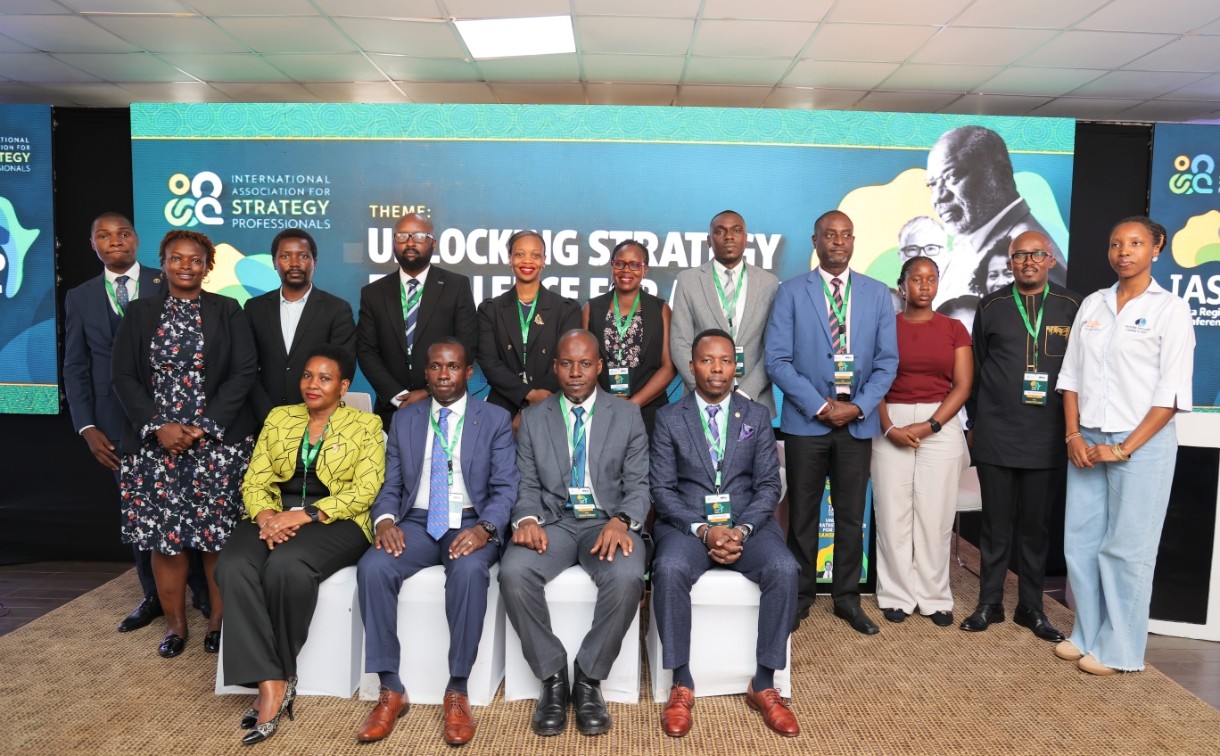
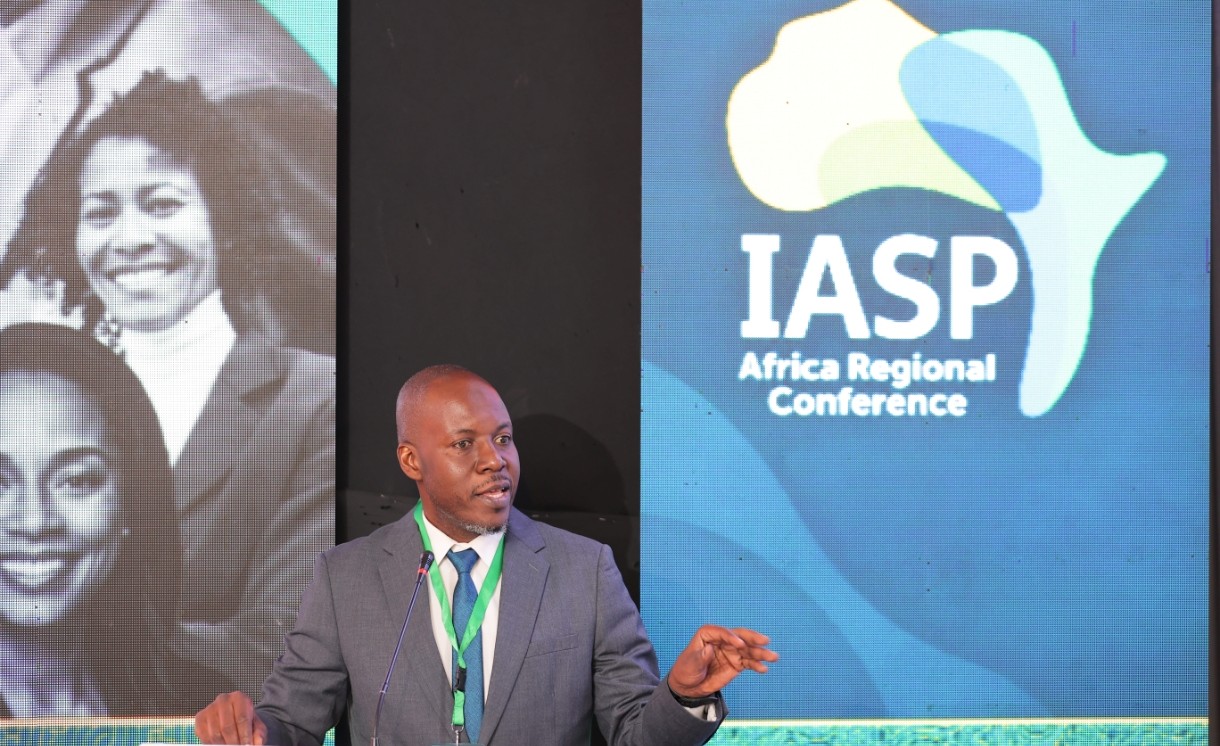
Kampala: How can African countries and organisations turn ambitious strategies into tangible economic and institutional results? This question shaped discussions at the IASP Africa Regional Conference 2026, held in Kampala on October 29–30, as strategy professionals, policymakers, business leaders, development practitioners and academics examined the interventions needed to advance Africa’s transformation.

Held at Protea Hotel by Marriott Kampala Skyz in Naguru under the theme “Unlocking Strategy for Africa’s Transformation,” the Conference brought together perspectives from across the public and private sectors to examine the relationship between strategic ambition, execution and transformative results.
Dr. Asumani Guloba, the Director of Development Planning at the National Planning Authority (NPA) during his keynote address highlighted key action points for strategy professionals, he said, “Africa’s development challenge is not a shortage of ideas or strategies, but the institutional capacity, coordination and discipline required to translate them into measurable improvements in people’s lives.
Uganda’s experience through its National Development Plans demonstrates the importance of aligning national priorities with budgets, strengthening institutional accountability and consistently monitoring implementation. As we pursue Africa’s transformation, we must move beyond strategy formulation and focus on effective execution, ensuring that our development ambitions translate into tangible economic and social outcomes.”
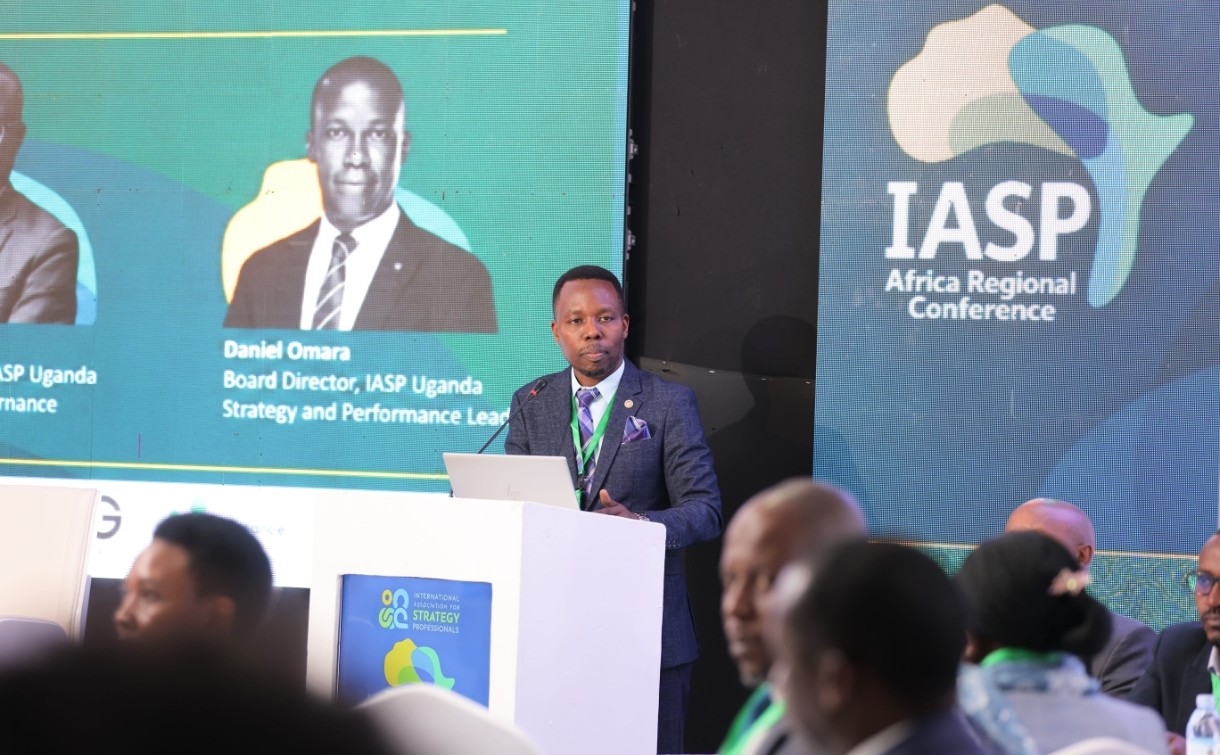
His argument reflects a challenge facing institutions across the continent. The task is to translate these ambitions into coordinated action and interventions capable of producing the intended economic and social outcomes. Uganda’s Fourth National Development Plan (NDP IV) and Ten-fold Growth Strategy illustrate the scale of this ambition. Achieving their objectives requires more than well-articulated priorities and established planning processes. It requires institutions to make deliberate choices about where resources, capabilities and partnerships can generate the greatest economic effect, and to sustain the coordination and accountability needed to deliver results.
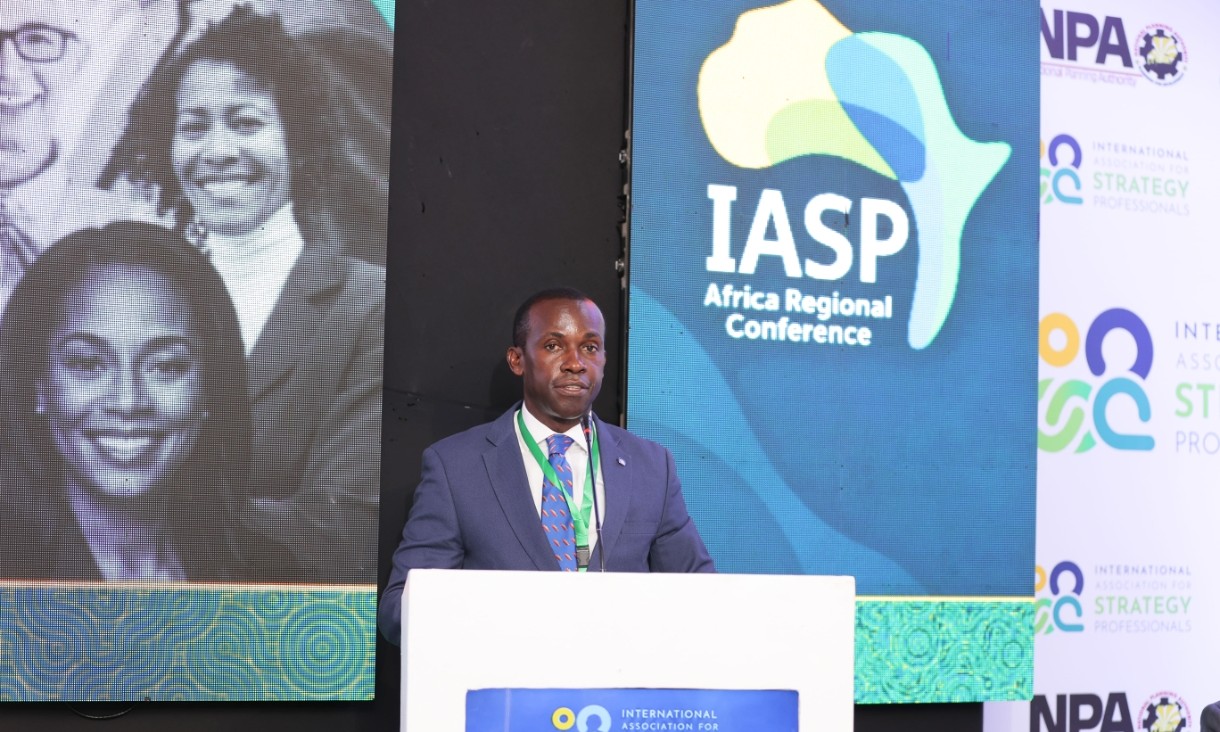
The Conference examined this challenge through six dialogues, bringing different perspectives to the question of how strategy can contribute to Africa’s transformation. The discussions considered the challenges confronting African economies and institutions, the changing demands on leadership and the workforce, the opportunities presented by technology, and the decisions and capabilities required to respond to emerging risks and opportunities.
Across the programme, the emphasis was on moving beyond strategy as a statement of intent to consider what institutions must do differently to achieve their ambitions. The discussions placed the focus on the interventions, choices and institutional conditions that can connect strategic priorities to improved performance and meaningful results.
The Conference was co-organised by the International Association for Strategy Professionals (IASP) Uganda Chapter and the National Planning Authority, bringing together the strategy profession and national development planning in a shared examination of Africa’s execution challenge.
Innocent Agaba, President of the IASP Uganda Chapter, said the Conference was an opportunity to advance the practice of strategy in Africa and strengthen the contribution of strategy professionals to the continent’s development. The Conference forms part of IASP’s broader work to advance the strategy profession and strengthen the ability of individuals and organisations to translate strategic intent into results.
By bringing practitioners and decision-makers together, the event sought to move the conversation beyond the existence of strategies to the choices, interventions and execution capabilities required to deliver on them.