From restaurants and retail shops to cattle, poultry and rentals, women entrepreneurs credit GROW financing with expanding businesses, creating jobs and strengthening household incomes
By Brian Mugenyi
Western Uganda: Before the doors of many businesses open each morning, women across Western Uganda are already at work.
Some are behind retail counters, others are tending cattle, keeping goats and poultry, operating tailoring machines, managing rental properties or running restaurants.
Their businesses may be small, but collectively they form an important part of the region’s economic life.
For many of these women, however, access to affordable capital has remained one of the biggest barriers to expansion.
That is where the Generating Growth Opportunities and Productivity for Women Enterprises (GROW) Project is beginning to make a difference.
Women beneficiaries across Western Uganda say access to GROW financing has enabled them to inject additional capital into their businesses, expand operations, acquire productive assets and create employment.
Among them is Christine Muheirwe, a restaurant entrepreneur operating in Bukanga, Nakivale, Isingiro District.
Her experience provides one example of how access to finance can move beyond a loan transaction and become a source of employment and household income.
FROM SHS55 MILLION TO A LIVING BUSINESS
Muheirwe says she received approximately Shs55 million through GROW financing, accessed through a participating financial institution.
She says the capital helped her develop her restaurant business, creating a functioning enterprise serving customers in the Nakivale area.
Speaking during an interview on September 23, 2026, Muheirwe expressed appreciation for the programme and its leadership, particularly Dr. Ruth Biyinzika Kasolo, GROW Project Coordinator at the Private Sector Foundation Uganda (PSFU).
“I want to thank the directors of GROW Project for women led by Dr. Ruth Biyinzika. The project has changed my life whereby I got Shs55 million as loan funds, which helped me start my restaurant business,” Muheirwe said.
The significance of her story is not only the amount of capital accessed.
It is what the financing has become.
A business.
A source of income.
And an employer.
12 JOBS CREATED
According to Muheirwe, her restaurant currently employs 12 people — five men and seven women.
She says the workers earn their livelihoods through the business.
“As a restaurant, I employ five men and seven women. I pay them and make profit out of the GROW business,” she said.
Seven of the employees are women, adding another dimension to the project’s potential impact on women’s economic participation.
For Muheirwe, the restaurant demonstrates how financing can generate benefits beyond the individual borrower.
Capital invested in one enterprise can create opportunities for workers, suppliers and customers around it.
A RETAIL SHOP THAT BECAME A LIVELIHOOD
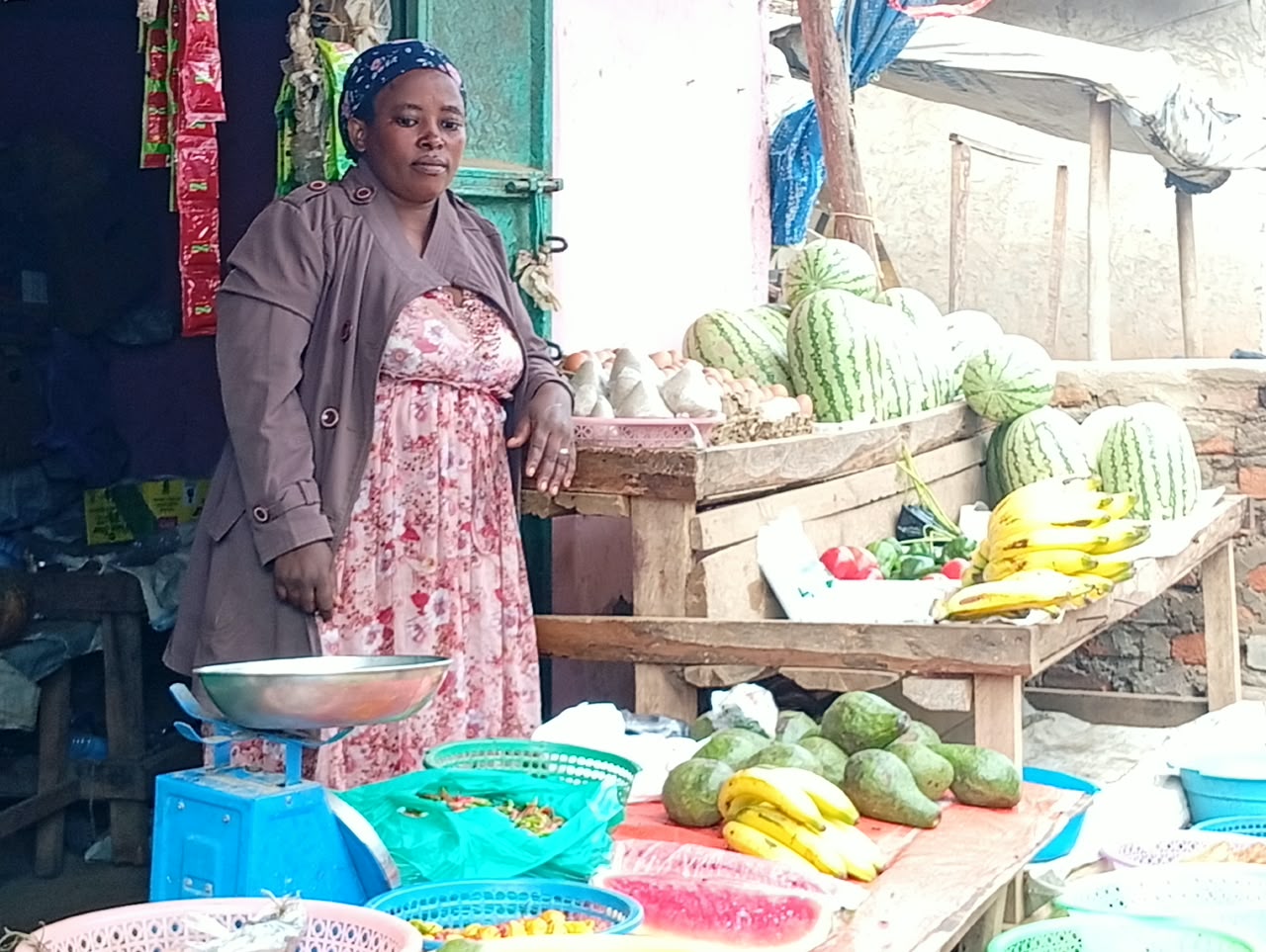
In another beneficiary story from the Nakivale area, Eugiene says she received Shs5 million through GROW financing to support her retail business.
She says the financing has helped her continue operating and developing the shop, which she says has been part of her livelihood for several years.
Her experience reflects the reality of many women entrepreneurs whose businesses begin as small retail enterprises but become important sources of household income.
For these entrepreneurs, access to capital can mean the difference between maintaining limited stock and being able to expand the range of goods available to customers.
JENNIFER TURNS SHS10 MILLION INTO LIVESTOCK ENTERPRISE
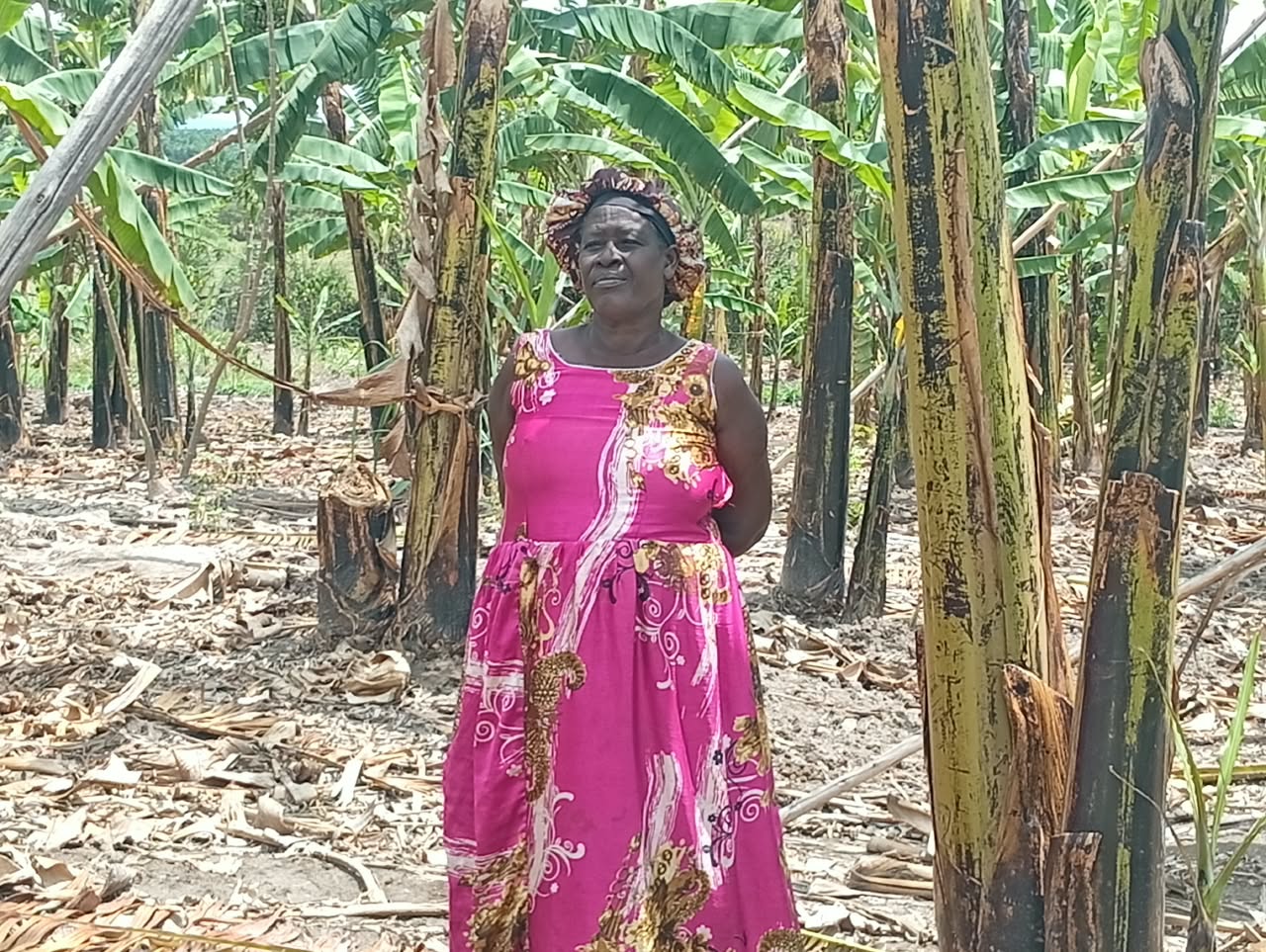
In Karenengyezo Village, Kiruhura District, Ms Jenifer Twangabe says she received Shs10 million through GROW financing to support her cattle-fattening business.
She also keeps goats and poultry as additional sources of income.
Twangabe says the business has remained productive since she accessed the financing.
She says she is currently paying approximately Shs920,000 per month as repayment on her first GROW loan.
Her story illustrates another way women are deploying financing — combining livestock enterprises to diversify household income and reduce dependence on a single source of revenue.
RENTALS PROVIDE ANOTHER INVESTMENT PATH
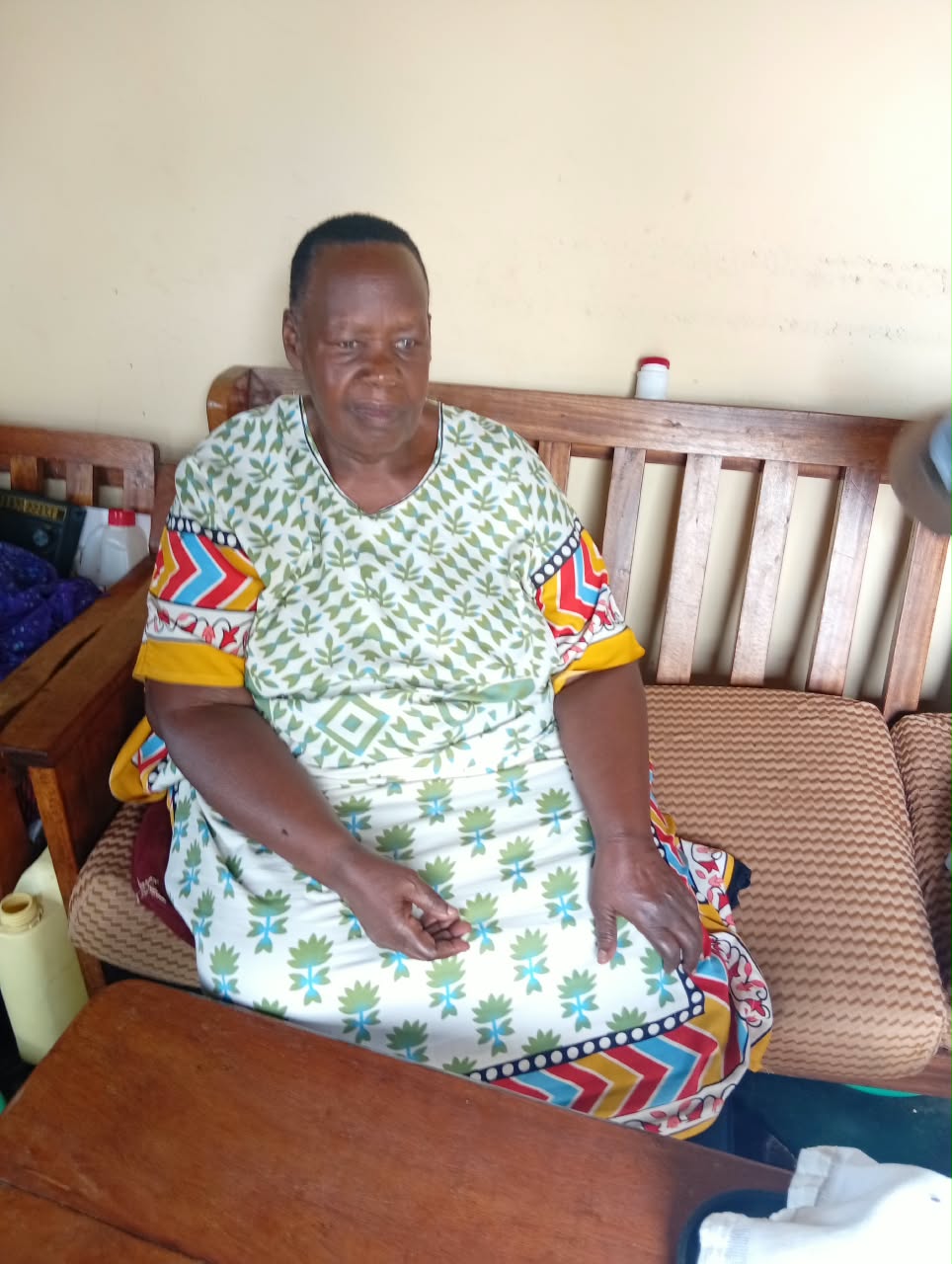
For Ms Edurae Kefuruka, GROW financing has been channelled into rental housing.
Kefuruka says she received Shs10 million through the GROW Loan and has used the financing to make progress on rental properties she constructed.
She says the rentals have attracted tenants and are generating monthly income.
“Thank you GROW Team leader for giving us the funds with funders. I am grateful. I get clients in my rentals and I hope to expand it with time. Today I charge Shs200,000 per month from all the rentals,” she said.
Her experience shows that women are using GROW financing not only in trading and agriculture, but also in property-based enterprises capable of generating recurring income.
AGRICULTURE AND GOAT REARING
Lucky Ainemani, from Central Zone Village, Rusherere Sub-county, is another beneficiary using GROW financing to support her economic activities.
Ainemani says she received Shs5 million through the GROW Loan and operates a retail shop while also engaging in agriculture and goat rearing.
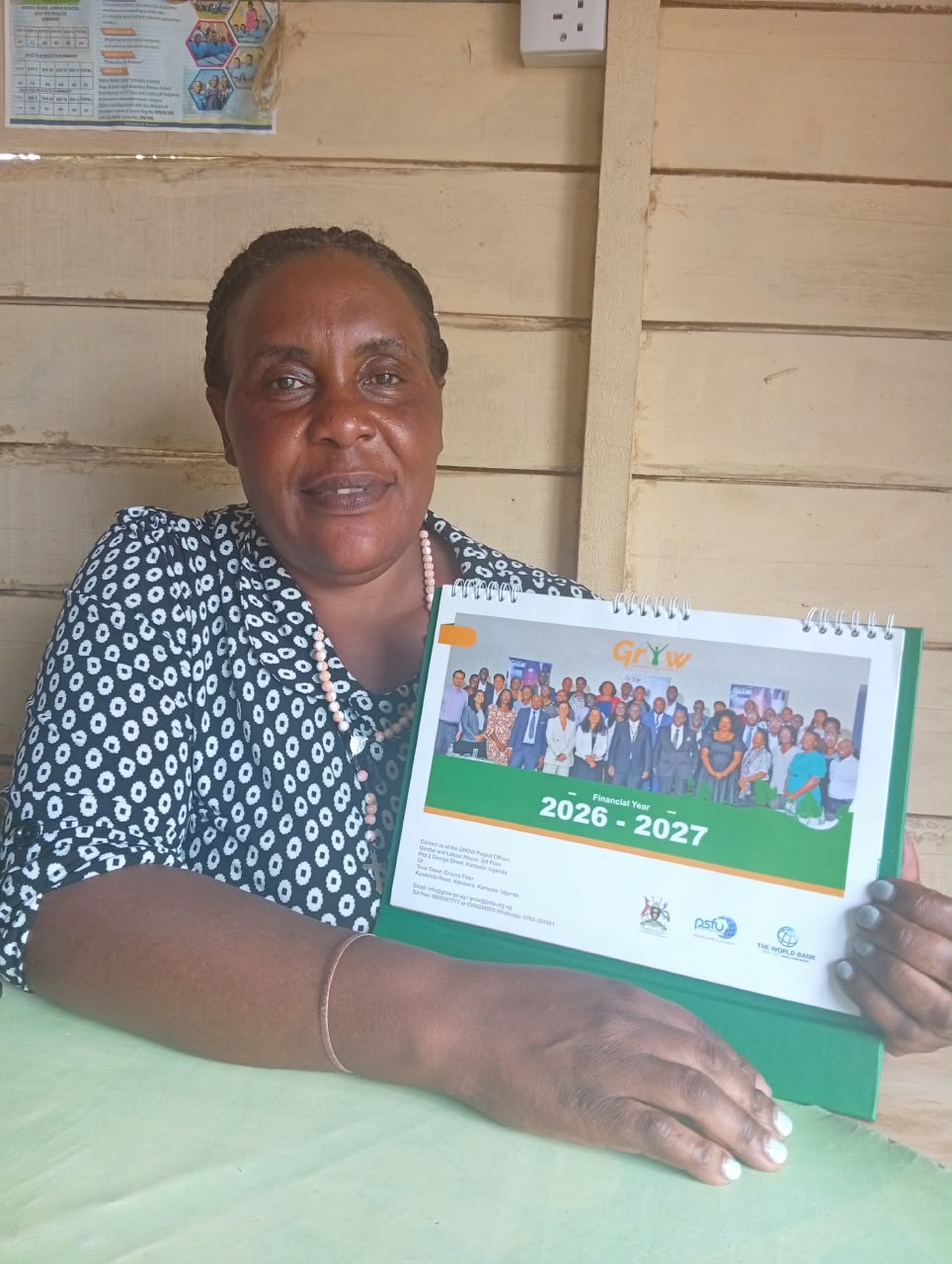
Her business model combines commerce with farming, providing multiple avenues through which household income can be generated.
Such diversification is particularly important for rural entrepreneurs whose incomes can be affected by agricultural seasons and market fluctuations.
A SMALL LOAN, A GROWING BUSINESS
In Kibaale B, Rushasha Sub-county, Isingiro, Nirere Valentine says she has been operating a retail business for about three years.
She says she received Shs1.5 million from EBO Bank through GROW financing.
According to Valentine, she currently pays Shs19,920.76 per month towards repayment of the loan.
Her experience demonstrates that GROW financing is reaching women operating businesses at different scales, including small retail enterprises.
For entrepreneurs such as Valentine, even relatively modest amounts of working capital can help maintain stock and keep a business operating.
A BUSINESS ENVIRONMENT BUILT AROUND CATERING
The business profile associated with Muheirwe’s enterprise identifies BAMA GENERAL SUPPLIES LTD, whose physical address is listed as Bukanga, Nakivale, Isingiro District.
The company profile lists catering services, car hire and general supplies among its activities.
It gives its postal address as P.O. Box 266, Mbarara, with telephone contacts 0787 199020 / 0775 361668 and email bagumaevarist@yahoo.com.
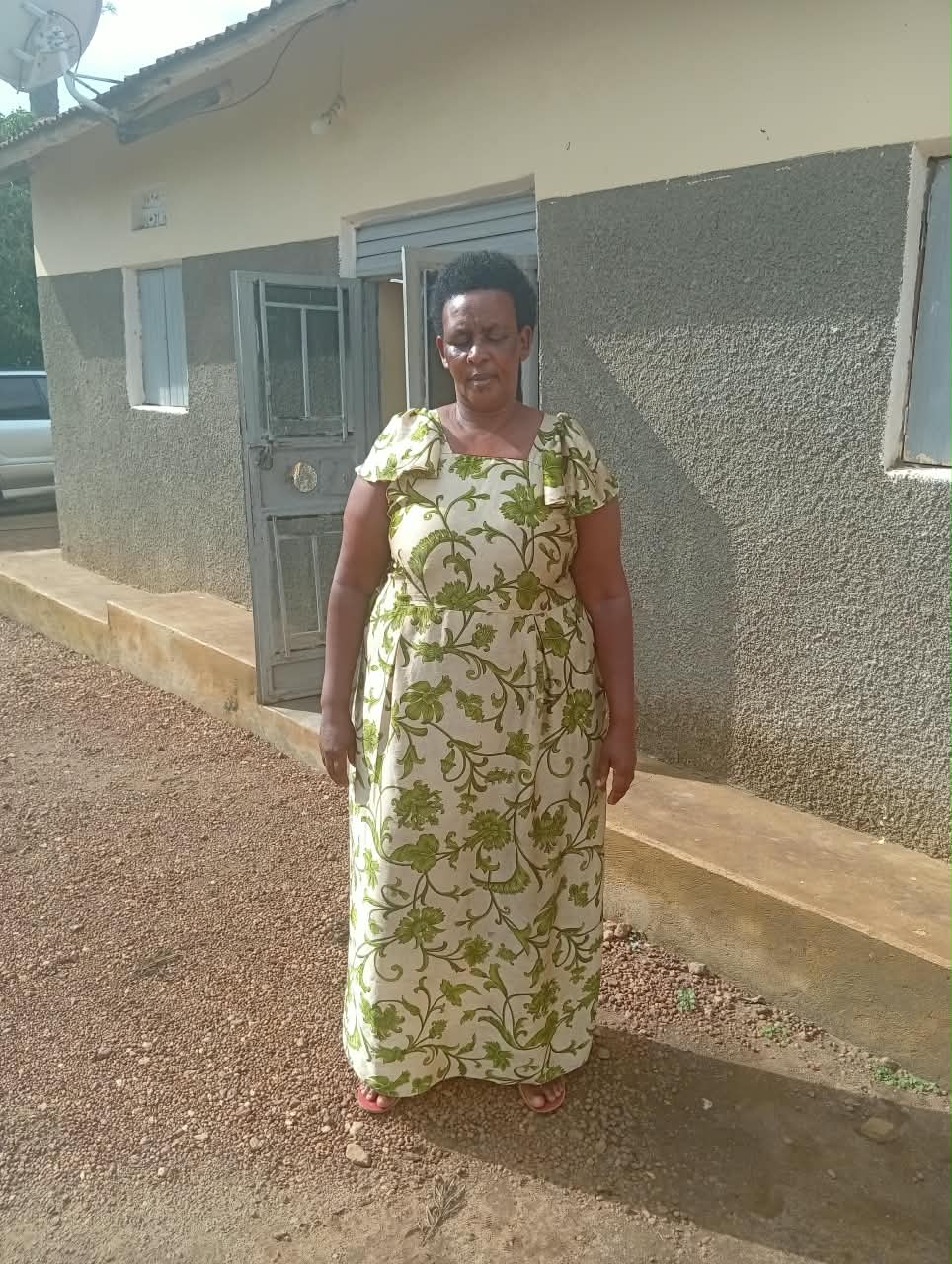
The company profile provides context on the wider business environment surrounding the catering enterprise but does not, by itself, establish Muheirwe’s ownership position in BAMA General Supplies Ltd.
WHY ACCESS TO CAPITAL MATTERS
Across Western Uganda, women entrepreneurs operate businesses ranging from retail shops and livestock enterprises to tailoring, hospitality, agriculture and rental properties.
For many, the challenge is not necessarily the absence of business ideas.
It is access to capital capable of turning those ideas into sustainable enterprises.
The GROW Project is designed to increase women entrepreneurs’ access to financing and entrepreneurial services, with the aim of helping women-owned businesses grow.
The project is being implemented by PSFU in partnership with the Ministry of Gender, Labour and Social Development, with financing from the World Bank.
Its focus covers sectors including agriculture, agro-processing and value addition, manufacturing, construction, science and technology, services, creative arts and ICT.
THE NUMBERS BEHIND THE WOMEN
As of 30 June 2026, the GROW Financing Facility had recorded 10,096 loans, with cumulative disbursements of Shs161 billion through 14 participating financial institutions.
The GROW Loan targets micro and small women entrepreneurs who own at least 51 per cent of the shareholding in their businesses.
Those figures provide a broader context to the individual stories emerging from districts such as Isingiro and Kiruhura.
Behind every loan figure is an entrepreneur making decisions about stock, equipment, livestock, employees, construction and expansion.
The real economic question is therefore not only how much money has been disbursed.
It is how effectively that capital is being converted into productive businesses.
RUTH BIYINZIKA’S WOMEN-LED GROWTH VISION
Dr. Ruth Biyinzika Kasolo has emphasised that GROW is intended to go beyond financing alone.
“GROW is not simply about putting money into the hands of women; it is about giving women-owned enterprises the capital, knowledge and opportunity to move from survival to sustainable growth. When a woman’s business grows, she does not grow alone—she creates income, supports families, generates employment and strengthens the economy around her.”
Proposed quote for Dr. Ruth Biyinzika Kasolo’s approval.
The experiences of Muheirwe, Twangabe, Kefuruka, Ainemani, Valentine and Eugiene illustrate the different ways women can deploy financing according to their businesses and local economic opportunities.
WESTERN UGANDA’S WOMEN LOOK AHEAD
The stories emerging from Western Uganda reflect a broader economic reality.
Women are not only participating in commerce; they are building businesses, investing in productive assets, employing workers and creating household income.
From the retail shop to the cattle farm, from goats and poultry to rental properties, from the fruit and merchandise trade to the restaurant, these enterprises form part of the everyday economy that sustains communities.
For beneficiaries, access to capital is therefore about more than borrowing.
It is about the ability to invest, expand and create opportunities.
Muheirwe’s journey captures that transformation in simple terms.
Shs55 million became a restaurant.
The restaurant became 12 jobs.
Twangabe is investing in cattle, goats and poultry.
Kefuruka is building a rental-income stream.
Ainemani is combining retail trade with agriculture and goat rearing.
Valentine is using a smaller facility to strengthen her retail business.
And Eugiene says GROW financing has helped her continue developing her shop.
That is the wider story of GROW: when women gain access to productive capital, the impact can extend beyond one business and into families, workplaces and communities.
The next challenge is to ensure that financing is matched with markets, skills, business development services and sustainable opportunities for growth.
Because when women-owned businesses grow, the benefits can travel far beyond the shop counter — into households, jobs and the wider economy.